What does “thrift find” mean?
What it means
"Thrift find" in the sneaker niche means a desirable, often rare, sneaker acquired outside of standard retail distribution—specifically from thrift stores, garage sales, or non-specialized secondhand markets. This is not merely "used"; it implies the item was acquired through unconventional, low-barrier channels. The term signals potential value derived from scarcity and discovery, not just condition. The mainstream equivalent is "grail hunt" or "vintage score," but "thrift find" emphasizes the acquisition method. Value is entirely dependent on the item matching current hype or having intrinsic historical significance.
What it does to price
The acquisition channel itself does not guarantee value; it only suggests a potential discount. A genuine, highly sought-after model found at a thrift store can fetch 30% to 60% less than its retail resale price, provided it is in near-mint condition. If the item is an obscure, low-demand model, the thrift find status adds zero value and only signals risk. Conversely, finding a limited-edition shoe in excellent shape at a thrift store can result in a 2x to 4x markup over the initial purchase price. For example, acquiring a sought-after retro colorway for $35 when it retails used for $150 represents a significant profit margin.
How to spot it
Inspection must be rigorous. Look for original packaging remnants, even if damaged. Authenticity checks are paramount; thrift stores are high-risk environments for counterfeits. Examine stitching patterns, material texture consistency across panels, and sole molding for discrepancies. Sellers must provide clear, high-resolution photos of the tongue tag, box label (if present), and the outsole tread pattern. Common errors include mismatched factory dust bags or poorly preserved original tags that have been tampered with. If the item lacks any verifiable proof of original retail provenance, its value is capped at its current condition assessment.
Buying smart
Paying a premium for a thrift find is only justified when the item is an undisputed, high-demand model (e.g., a recent hype release or a historically significant piece) and the condition is near-perfect. If the item is obscure or the condition shows significant wear (heavy creasing, sole separation), the potential profit margin is too slim to justify the risk of poor condition or authentication failure. A fair deal involves the purchase price being significantly below the established market average for that model in comparable condition, ideally under 50% of the current resale benchmark.
Selling smart
Listing a thrift find requires framing the narrative. The provenance—the fact that it was sourced via a thrift store—is a selling point only if it implies rarity or a "lucky score." Buyers pay a premium not for the thrift store aspect, but for the *condition* achieved despite the unconventional sourcing. The single most effective element in a listing is a photograph showing the original, intact box, even if scuffed, paired with a clear declaration of "Original Retail Packaging." This single element validates the item's legitimacy and elevates it beyond a mere used sneaker.
On eBay right now
Current asking prices from live listings — not sold-comp medians.


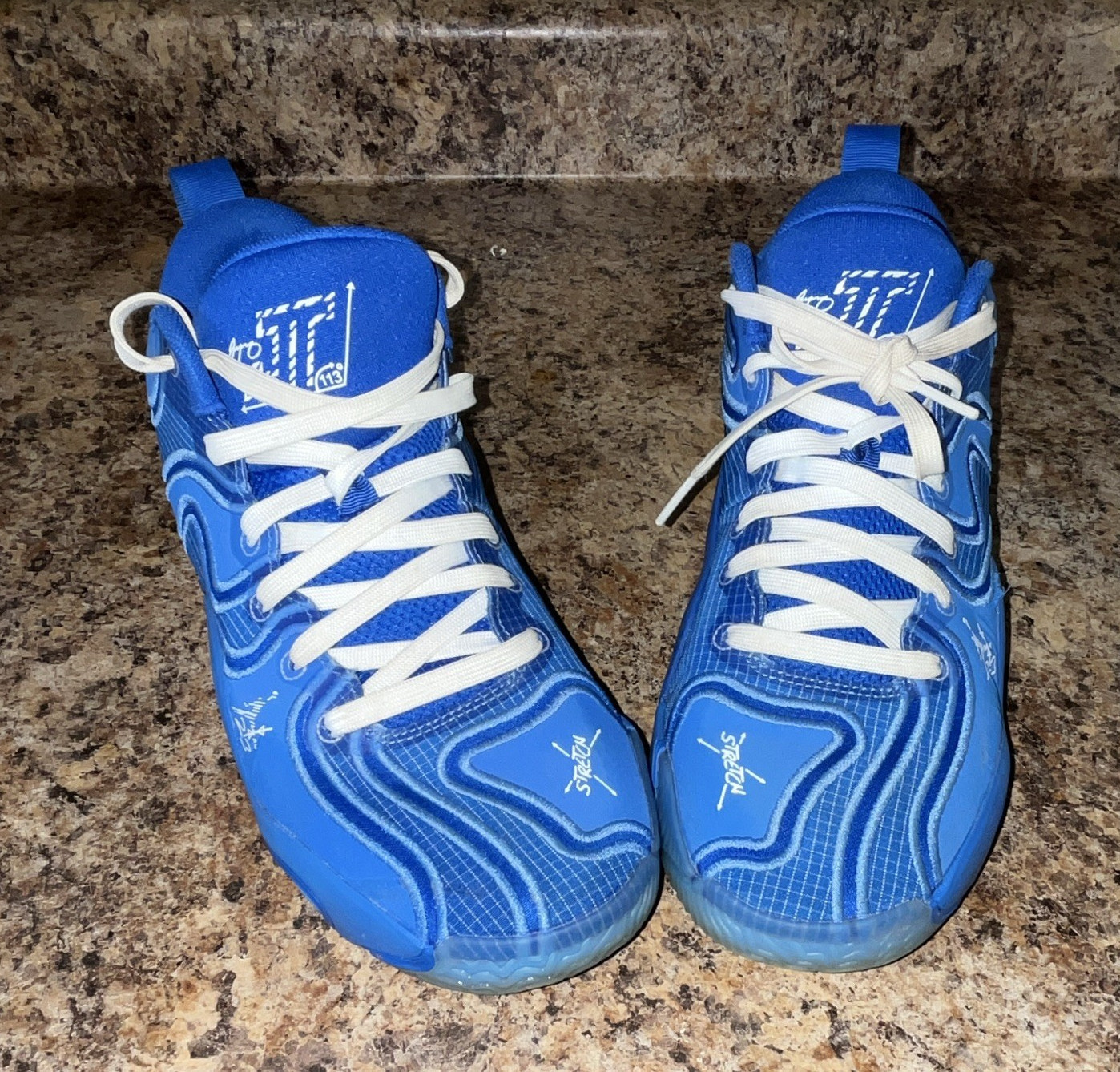


eBay links are affiliate links: JunkPal may earn a commission at no cost to you.