What does “synthetic” mean?
What it means
"Synthetic" in sneaker construction refers to man-made materials used in the upper, midsole, or outsole that do not originate from natural biological sources. This includes various polymers, engineered meshes, synthetic leathers (PU/PVC), and specialized rubbers. This is distinct from "natural" materials like genuine leather or natural gum rubber. In the sneaker market, synthetics are often used for specific performance attributes: lightweight structure, water resistance, or complex, vibrant colorways that are difficult to achieve with natural dyes. The term itself is not a quality indicator; it is a material classification.
What it does to price
Material composition alone does not dictate price. The *quality* and *application* of the synthetic material do. High-grade, durable synthetics used in flagship releases maintain structural integrity, supporting higher resale values. Conversely, cheap, low-density synthetics that show early signs of cracking or delamination severely depress value. For example, a premium runner featuring advanced, resilient synthetic overlays might command a 15-25% premium over the same silhouette utilizing basic, brittle synthetics. A pair where the synthetic upper has begun to peel around the toe box might see a value reduction of 30-40% immediately upon inspection.
How to spot it
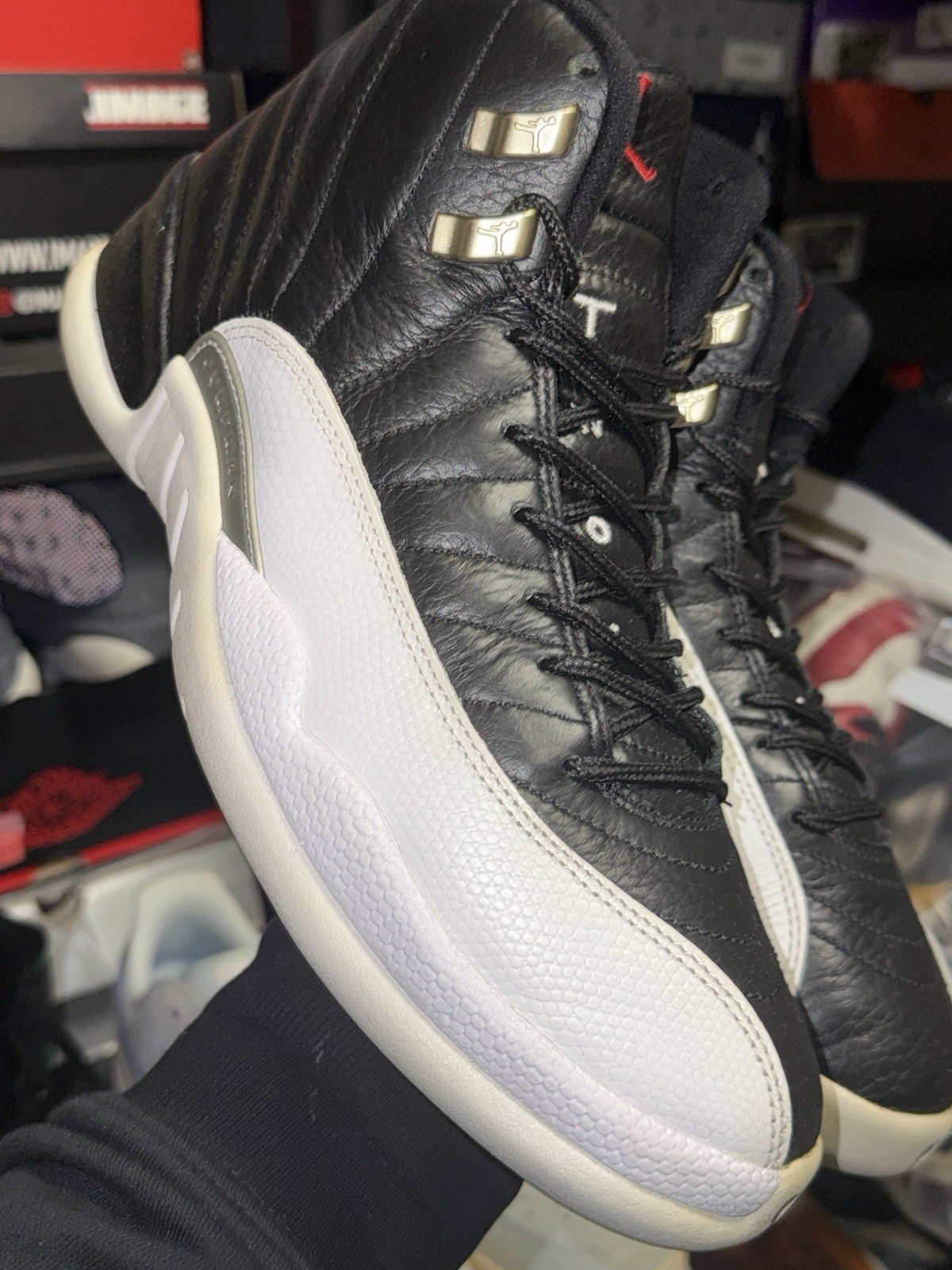
Identifying the material requires close inspection. Genuine leather often shows natural grain variation and patina; synthetic materials present a more uniform, manufactured texture. Sellers should provide high-resolution close-ups of the upper panels. Look for consistent sheen; overly glossy, uniform panels often indicate synthetic leather. On performance runners, check the mesh structure for consistent weave patterns. A common issue is poor adhesion where synthetic panels meet natural rubber components—this indicates manufacturing weakness, not material type. Fakes often use low-quality, overly shiny PU leather that cracks easily when bent.
Buying smart
Paying a premium for synthetic construction is justified when the material is integral to the shoe's intended function—such as advanced weatherproofing or lightweight support systems in performance models. If the synthetic material is merely a cheap substitute for a premium leather panel on a fashion release, the premium is unwarranted. A fair deal involves the shoe exhibiting minimal signs of material stress. If the synthetic elements appear dull, brittle, or show early signs of stress cracking, the price should reflect a used or damaged condition, regardless of the shoe's original retail price.
Selling smart
Listing the material composition accurately manages buyer expectations. If the shoe utilizes high-grade, durable synthetics (e.g., engineered mesh, reinforced TPU), this should be noted in the description as a feature supporting durability. The single most valuable piece of evidence for a buyer is a macro photograph focusing on a high-stress point—like the toe cap or heel counter—to confirm the synthetic material is intact, free from peeling, and maintains its original texture. This photo validates the material's longevity claim and justifies the asking price.
On eBay right now
Current asking prices from live listings — not sold-comp medians.



eBay links are affiliate links: JunkPal may earn a commission at no cost to you.