What does “streetwear staple piece” mean?
What it means
A streetwear staple piece in sneakers refers to a silhouette or design that has achieved enduring, widespread acceptance within the streetwear and sneakerhead communities. This status is based on consistent cultural resonance, not necessarily scarcity. Unlike a limited-edition hype drop, a staple is a reliable, recognizable design—think classic Air Force 1s or certain New Balance models—that defines a specific aesthetic era or trend. The mainstream equivalent is a "classic" or "iconic" model, but the streetwear context implies a continuous, active cultural endorsement rather than just historical recognition.
What it does to price
Staples provide a stable baseline value. Their value is less volatile than hype pieces but higher than generic, unbranded footwear. A pristine, deadstock staple can command 1.5x to 3x the price of a comparable, worn-out or lesser-known contemporary release. Price inflation is driven by cultural momentum; if a staple is suddenly adopted by a major fashion house, demand can spike rapidly. Conversely, if the silhouette falls out of current fashion cycles, the price can deflate toward its retail cost, perhaps dropping 20-40% from peak stable pricing. For example, a highly sought-after staple model might sell for $180 when new, but a well-preserved pair could easily fetch $250+ in resale.
How to spot it
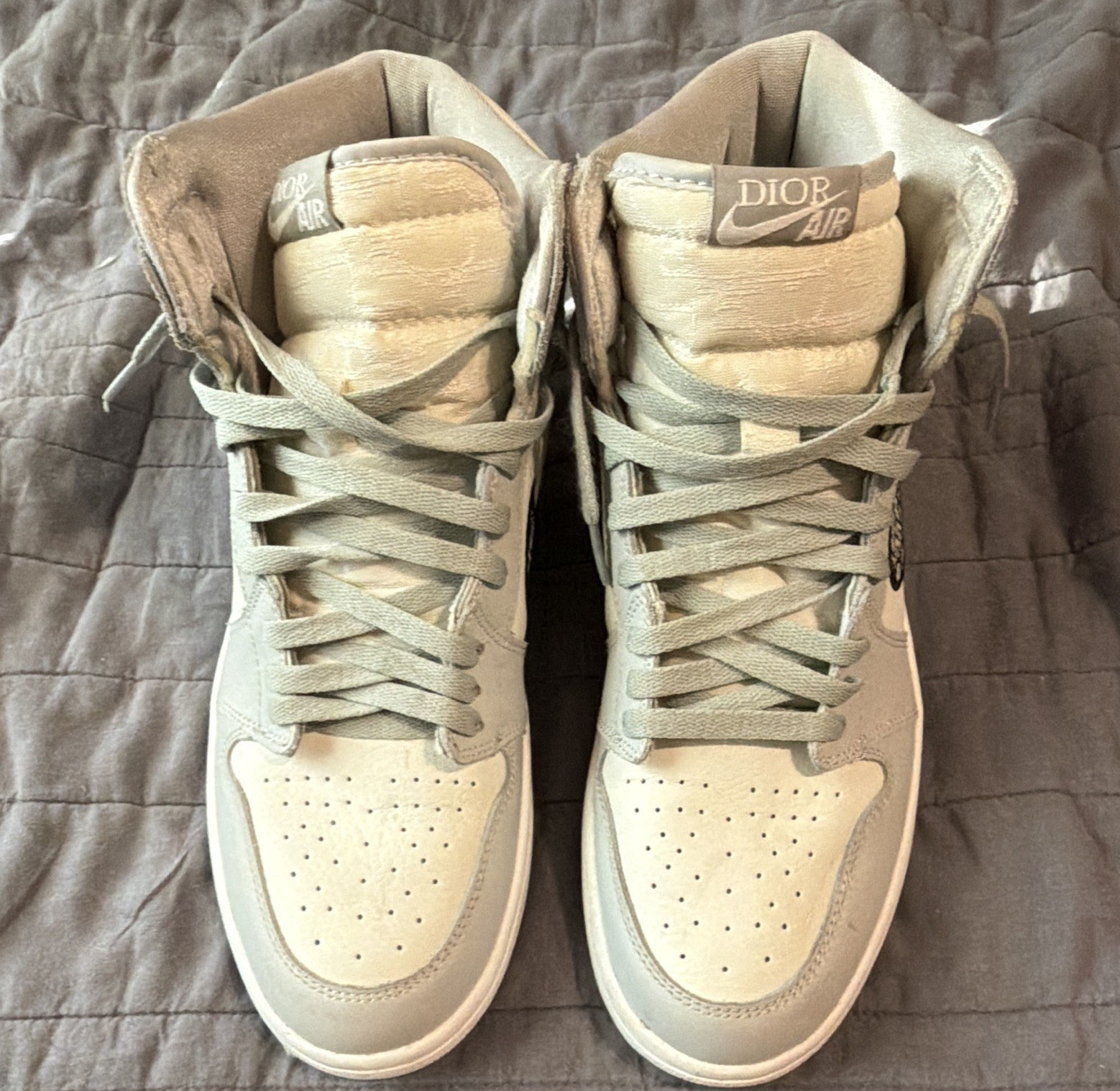
Identification relies on recognizing the core design language. Staples are often characterized by simple, enduring shapes and recognizable colorways that have been iterated upon over years. Sellers must provide clear, high-resolution photos of the sole unit, the tongue tag, and the heel counter. Common pitfalls include confusion with later, less desirable iterations of the same model (e.g., a specific midsole update). Buyers should check for subtle material differences; genuine staples maintain material integrity even after years of wear, while cheap knockoffs often use brittle or overly glossy synthetic overlays.
Buying smart
Paying a premium for a staple is justified when the item is in near-perfect, deadstock condition and the specific colorway is highly regarded by collectors. It is not worth the premium if the item is heavily worn, as the cultural value diminishes significantly with visible wear. A fair deal involves paying a price that reflects the item's established baseline value plus a moderate premium (1.2x to 1.8x retail) for condition and provenance. If the asking price exceeds 2.5x retail without clear evidence of extreme scarcity or cultural peak, the premium is likely inflated hype, not stable value.
Selling smart
Listing a staple requires framing the item's enduring relevance. The listing description must move beyond simply stating the model name; it must reference its cultural standing. Highlighting the "iconic status" or "enduring silhouette" justifies the asking price. The single most effective element to earn the premium is providing clear, detailed photos of the original box and any accompanying tags or receipts. A simple word like "Archival" or "Collector Grade" in the title, backed by excellent photography, signals to knowledgeable buyers that the item is being sold as a cultural artifact, not just a pair of shoes.
On eBay right now
Current asking prices from live listings — not sold-comp medians.


eBay links are affiliate links: JunkPal may earn a commission at no cost to you.