What does “silhouette” mean?
What it means
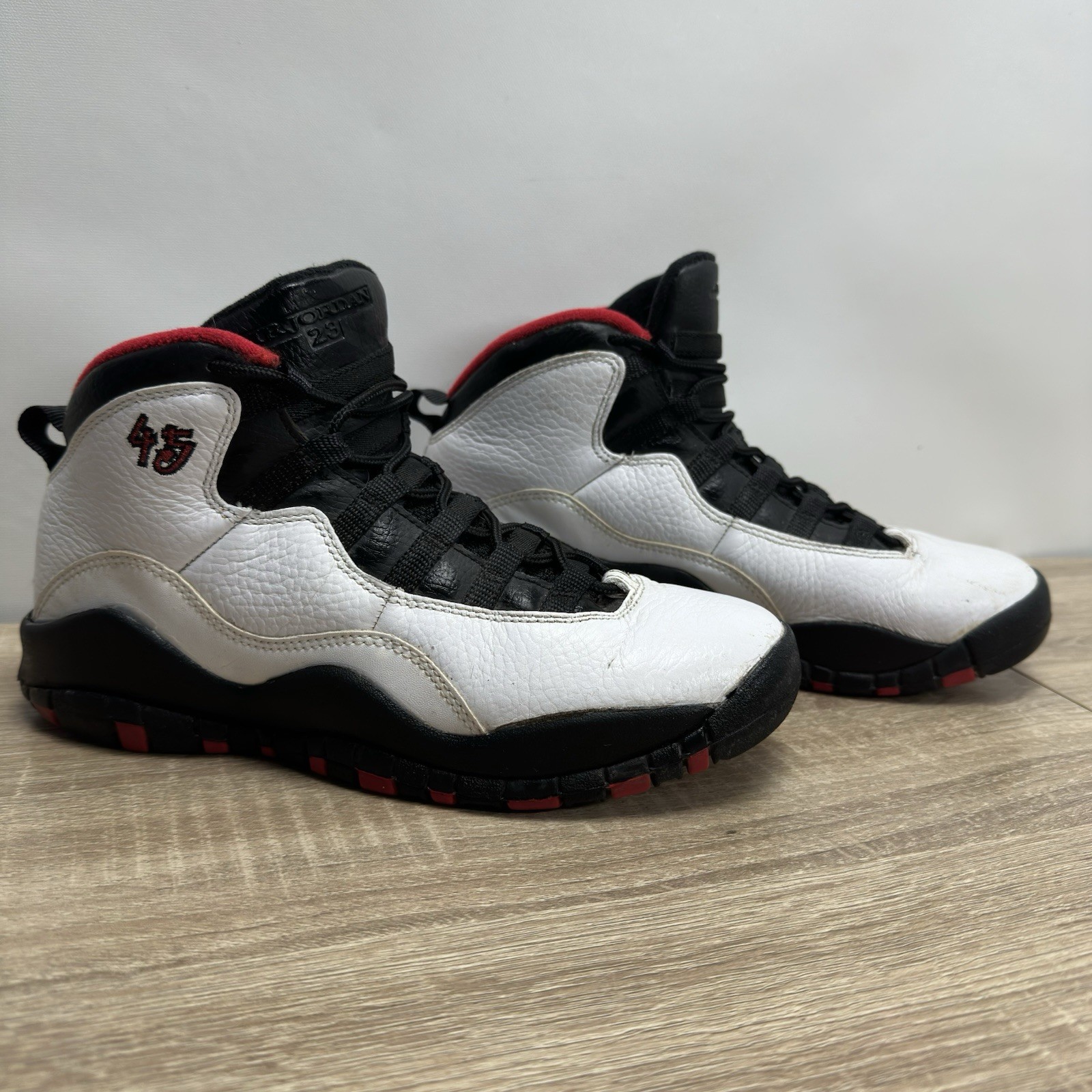
Silhouette refers to the unique, recognizable physical profile of a sneaker model. It is the overall design language—the shape of the toe box, the curvature of the sole unit, the placement of panels, and the general cut of the upper. This is distinct from the colorway, which is merely the palette applied to the established shape. In collecting, the silhouette is the core identifier of the shoe's cultural standing and inherent desirability. For example, the silhouette of the Air Jordan 1 is distinct from the silhouette of the Nike Dunk, even if both are white. Understanding the silhouette allows for precise model identification, separating genuine variations from simple color shifts.
What it does to price
The silhouette is the primary driver of baseline value. Iconic, historically significant silhouettes (e.g., OG Air Max 1, classic Yeezy 350 shape) command a premium simply due to their established cultural weight, regardless of minor condition flaws. A highly sought-after, original silhouette can maintain 70-90% of its retail value over time, whereas a less recognized or transient silhouette may drop 50% or more. A rare, authenticated silhouette variation (e.g., a specific early prototype shape) can see multipliers of 3x to 5x compared to a standard release of the same model line. If the silhouette is an obvious knock-off, the price drops to 10-20% of the authentic version.
How to spot it
Accurate identification relies on specific structural markers, not just general appearance. Check the sole geometry—the midsole thickness, the outsole tread pattern, and the heel counter shape are non-negotiable identifiers. Look closely at panel stitching and material overlays; the placement and curvature of these elements define the silhouette. Sellers must provide high-resolution, side-profile photos, especially of the heel and toe box. Common mistakes involve confusing similar-looking models (e.g., a specific retro runner vs. a modern iteration). Fakes often fail to replicate the subtle, complex curves of the original sole unit.
Buying smart
Paying a high premium is justified when the silhouette is tied to a verifiable cultural moment or a historically significant release run. If the shoe represents a foundational design that defined a trend, the investment holds weight. It is not worth the premium if the silhouette is merely a modern iteration of a design that has already been saturated in the market, unless the specific colorway is exceptionally rare. A fair deal requires the silhouette to be confirmed against verified reference imagery, and the price should reflect the model's scarcity within its established design lineage.
Selling smart
Proving the exact silhouette is critical for maximizing sale price. Listing the shoe by its specific, recognized silhouette (e.g., "OG Jordan 1 Low silhouette" rather than just "White Sneaker") immediately targets informed buyers willing to pay a premium for authenticity and recognition. The single most valuable element in a listing is a clear, well-lit, side-profile photo that allows the buyer to trace the shoe's entire outline. Using the correct silhouette terminology in the title and description confirms the item's status as a specific collectible piece, not just a piece of footwear.
On eBay right now
Current asking prices from live listings — not sold-comp medians.




eBay links are affiliate links: JunkPal may earn a commission at no cost to you.