What does “sell-out” mean?
What it means
A "sell-out" sneaker is a specific SKU (Stock Keeping Unit) that has been completely depleted from the official retail channel. This is not merely an item that sold quickly; it means the retailer has no more units available for standard purchase. In the collecting niche, this status confirms scarcity. The mainstream equivalent is "out of stock," but in sneaker resale, "sell-out" implies a successful demand surge that has established the item's hype status, moving it from a product to a collectible commodity.
What it does to price
Scarcity directly inflates the secondary market price. A general rule of thumb is that highly hyped, confirmed sell-outs command a minimum 1.5x to 3x markup over the original retail price (MSRP). Factors pushing the price up include limited production runs (e.g., 500 pairs worldwide) and cultural significance (e.g., a specific artist collaboration). Factors pulling the price down include excessive wear or poor condition. For example, a standard retail price of $180 can easily command $450-$540 on the secondary market if it is a confirmed, highly sought-after sell-out.
How to spot it
Confirmation of a sell-out status comes from reliable secondary market listings or verified retail drop announcements. Physical tells are less about the sell-out status itself and more about authenticity. When assessing a potential purchase, scrutinize the box and tags for correct sizing and edition codes. High-end counterfeits often fail on stitching precision or material texture, not necessarily the sell-out status. Always request high-resolution photos of the shoebox exterior, the internal product tag, and the sole markings for verification.
Buying smart
Paying a premium for a sell-out is justified when the shoe is a historically significant release or a collaboration with a major cultural figure. It is not worth the premium if the shoe is a simple, unreleased colorway from a mid-tier line, as the markup might only be 1.2x. A fair deal exists when the asking price is within 10-20% of the established average secondary market price for that specific model and condition. If the asking price exceeds 3x MSRP without exceptional provenance, caution is warranted.
Selling smart
To maximize return, the listing must unequivocally prove the item is a genuine, confirmed sell-out. The most critical element is providing a clear photo of the original retail box with the specific SKU or product code visible. Furthermore, stating "Deadstock/DS" (brand new, unworn) alongside the confirmed sell-out status is essential. This combination tells the buyer the item meets the highest criteria for investment-grade resale, justifying the top-tier pricing bracket.
On eBay right now
Current asking prices from live listings — not sold-comp medians.


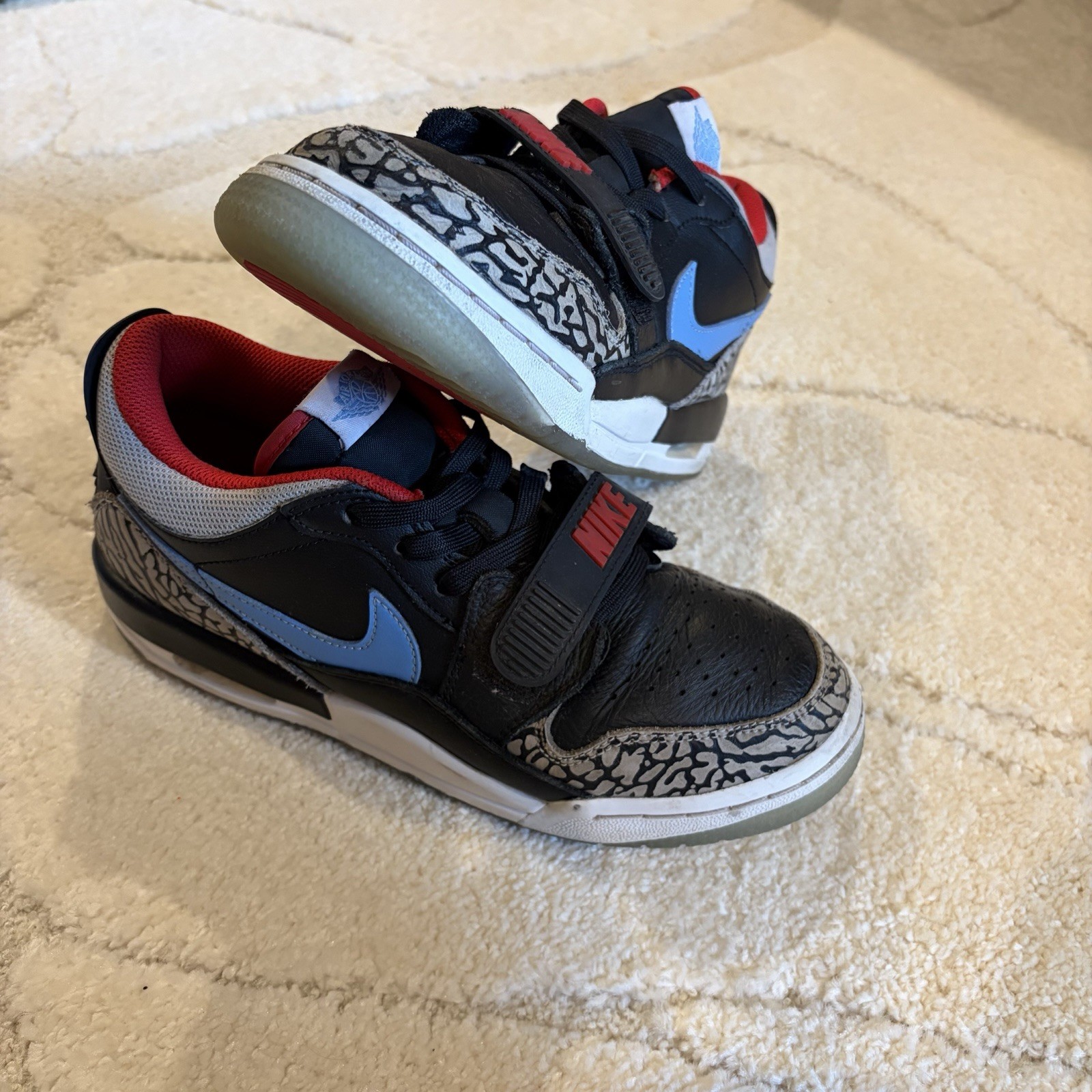


eBay links are affiliate links: JunkPal may earn a commission at no cost to you.