What does “running” mean?
What it means
"Running" designates athletic footwear engineered for athletic performance, specifically road or track running. In the collecting niche, this is a functional classification, not a style marker. It separates performance gear from lifestyle or fashion sneakers. The term is the mainstream equivalent of "athletic trainer." While some running silhouettes become cultural icons (e.g., specific Nike or Adidas models), the designation itself does not guarantee collectible status. The shoe's value hinges on its model pedigree, not just its category.
What it does to price
The "running" designation alone provides a baseline categorization but minimal direct pricing power. A generic, mass-market running shoe will trade at a low multiple (1x to 1.2x retail) unless it is a highly sought-after retro release. Premium pricing occurs when the running shoe is a limited-edition collaboration or a specific, highly technical model favored by elite runners. For example, a sought-after, limited-run performance runner might fetch 3x to 5x retail price if the community demand is high. Conversely, a common, non-limited model will likely sell near retail or slightly below.
How to spot it
Look for technical features: specific midsole cushioning technologies (e.g., ZoomX, Boost, React), aggressive outsole tread patterns, and lightweight construction materials. Genuine running shoes often feature internal support structures or specific drop measurements printed on the tongue or insole. Fakes often fail on the precise placement of these technical markings or use incorrect material textures on the upper. Sellers should provide high-resolution photos of the outsole tread and the internal branding tag to confirm genuine performance construction.
Buying smart
Paying a premium for a running shoe is justifiable only when the model has proven cultural significance or is a verified, rare release from a respected brand. If the shoe is a basic, readily available model from a mainstream line, the premium is unwarranted. A fair deal involves paying no more than 1.5x retail for a highly desirable, limited-edition performance model. If the shoe is an older, discontinued model, research its established secondary market value before committing.
Selling smart
To maximize return, the listing must clearly articulate the shoe's intended function and pedigree. Do not just list it as "running shoe." Specify the exact model name and the technology it utilizes (e.g., "Nike Pegasus 40 Performance Trainer"). If the shoe is a limited release, state the edition number or collaboration details prominently. The single most effective addition is a photo clearly showing the original box or the retail tag/label, which verifies its original market positioning.
On eBay right now
Current asking prices from live listings — not sold-comp medians.


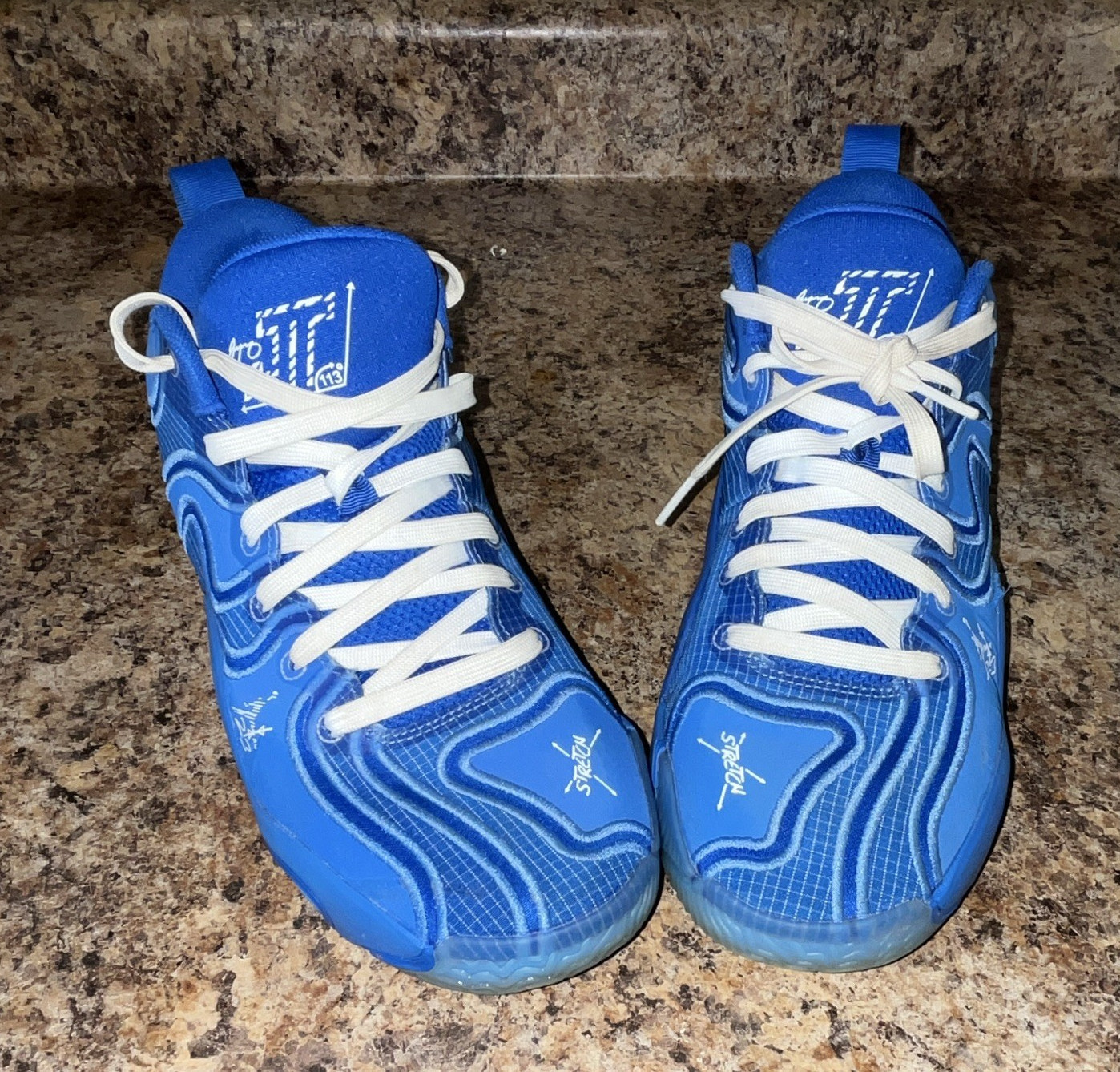


eBay links are affiliate links: JunkPal may earn a commission at no cost to you.