What does “reseller grade” mean?
What it means
Reseller grade defines the condition tier of a sneaker for the secondary market. It is not a standardized grading system (like PSA or VNDS) but a descriptive term used by sellers and buyers to categorize wear. It sits between "Deadstock" (DS) and "Used." A "reseller grade" item is generally in Near Mint (NM) or Excellent Used Condition (EUC). It implies the shoe has been handled or worn minimally, but it possesses minor, non-structural flaws—a tiny scuff on the midsole, a slight creasing on the toe box, or minor dust residue that does not compromise the shoe's aesthetic appeal to a general buyer. The mainstream equivalent is "Excellent Condition," but in the resale sphere, it signals an acceptable level of imperfection for a discount.
What it does to price
The grade directly impacts the discount applied to the retail or deadstock price. A shoe graded "Reseller Grade" typically commands 65% to 85% of a comparable Deadstock (DS) unit's market value. If a DS pair sells for \$300, a verifiable Reseller Grade unit might sell between \$195 and \$255. Factors pushing the price up include minimal visible wear and clean original packaging. Factors pushing the price down include significant creasing, visible dirt, or minor sole discoloration. For example, a single, small scuff on the heel counter might keep the price in the upper range of the Reseller Grade band, whereas heavy creasing drops it toward the lower end.
How to spot it
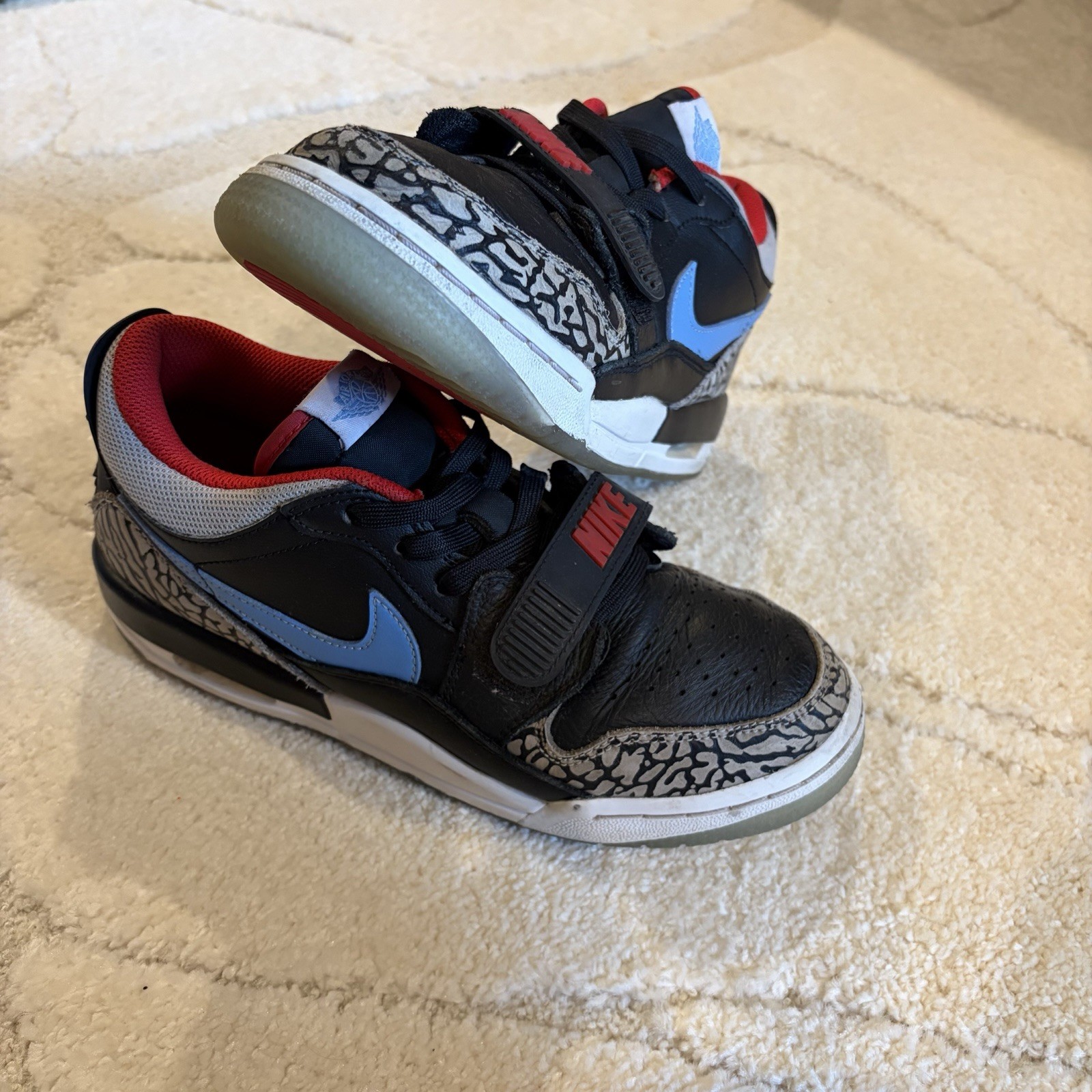
Spotting reseller grade requires close inspection beyond simple visual confirmation. Look for heel counter wear patterns; excessive rubbing indicates use. Check the outsole for embedded dirt or uneven wear, which suggests inconsistent use. For print details, look for fading or rubbing on logos or graphics—this is a common sign of handling. Sellers must provide high-resolution, well-lit photos of the entire shoe, including the soles and interior lining. Be wary of listings that claim "Reseller Grade" but provide only front-facing shots. Common mistakes include confusing minor factory imperfections (like slight glue residue) with actual wear.
Buying smart
Paying a premium for a Reseller Grade item is justifiable only when the discount from DS is substantial (e.g., 20%+), or when the shoe is extremely difficult to source in perfect condition. If the difference between the listed price and the current DS market price is marginal (less than 10%), the buyer should seek a Deadstock option. A fair deal involves the seller clearly stating the specific flaw(s) and pricing the shoe accordingly. If the flaw is significant (e.g., a major toe box crease), the price should reflect that the shoe is closer to "Good" condition, not "Reseller Grade."
Selling smart
Proving the grade in the listing dictates the buyer's willingness to pay. Do not just list "Reseller Grade." The premium is earned through specificity. The single most valuable element in the listing is a clear, close-up photograph explicitly highlighting the noted imperfection (e.g., "Minor scuff on right lateral midsole"). If the flaw is disclosed upfront and honestly, the buyer perceives transparency, allowing the seller to command the higher end of the Reseller Grade pricing tier. Omitting flaws forces the seller into the lower, discounted bracket.
On eBay right now
Current asking prices from live listings — not sold-comp medians.




eBay links are affiliate links: JunkPal may earn a commission at no cost to you.