What does “resell margin” mean?
What it means
Resell margin is the net profit realized when an item moves from acquisition cost to final sale price. It is the direct difference: Sale Price minus Purchase Price minus associated costs (shipping, fees, etc.). In the sneaker market, this is the core metric of investment viability. The short definition is accurate; it is the profit margin. It is not merely the difference in sticker price, but the actual realized gain after all transaction overheads are accounted for.
What it does to price
Margin directly dictates the acceptable acquisition price. A high potential margin allows for a higher initial purchase price. For example, a hyped, limited-edition release might have a potential margin of 300% or more. Conversely, an oversupplied or non-hype item might yield a margin of 10% or less. If a shoe is listed for $200, and the market floor is $120, the maximum achievable margin is capped by the $80 difference, minus fees. If the market ceiling is $350, the potential margin is $150. Condition is a primary driver; a Deadstock (DS) pair commands a significantly higher multiplier than a Used (UD) pair, often 1.5x to 2x the margin potential.
How to spot it
Spotting margin potential requires verifying authenticity and scarcity. Edition markers (e.g., specific colorways, regional releases) are primary indicators of high margin potential. Print details, such as stitching quality or material texture, reveal authenticity, which is the foundation of margin. Always request high-resolution photos of the box, interior tags, and soles. Common pitfalls include buying "deadstock" items that are actually "worn" (a common seller misrepresentation) or purchasing unverified "OG" (Original) stock when a modern reissue is available.
Buying smart
Paying a premium is justifiable only when the margin potential significantly outweighs the risk of misidentification or market correction. A fair deal occurs when the acquisition cost is within 10-20% of the established market floor price for that specific condition. If the asking price is 40% above the floor price, the seller is demanding a large portion of the potential margin upfront. Avoid buying solely based on a seller's promise of "future hype." If the item lacks verifiable scarcity markers, the margin is speculative and too high for a safe investment.
Selling smart
Proving the item's condition and provenance maximizes the final sale price, thereby maximizing the margin. Buyers pay a premium for verifiable condition. The single most effective element in a listing is a clear, well-lit photo of the sole or the original box serial number, depending on the item. For sneakers, a photo clearly showing the original box condition (e.g., "Box Mint") immediately justifies a higher price point, as it confirms the highest tier of condition, which commands the highest resale margin.
On eBay right now
Current asking prices from live listings — not sold-comp medians.


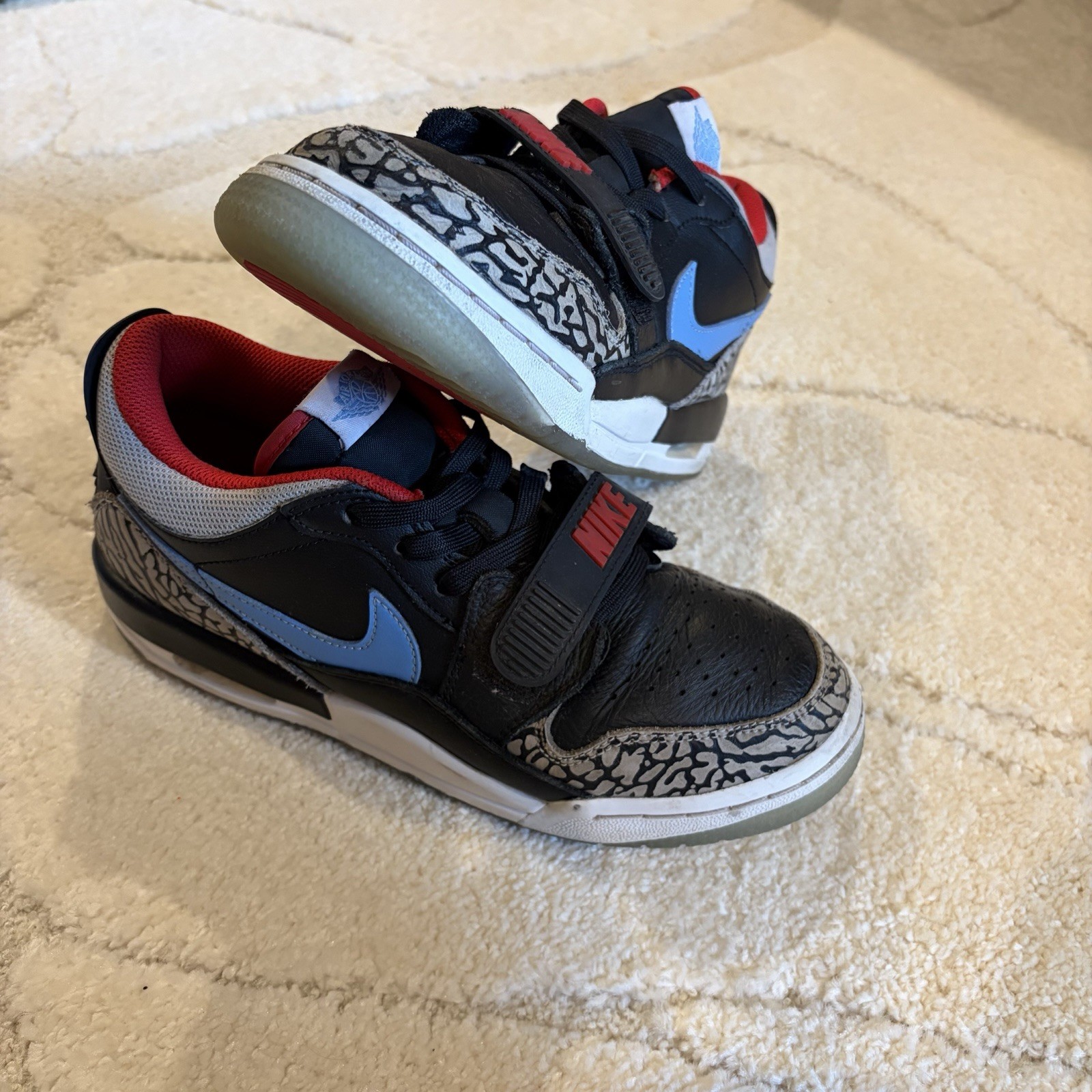


eBay links are affiliate links: JunkPal may earn a commission at no cost to you.