What does “resale velocity” mean?
What it means
Resale velocity in the sneaker market is the rate at which a specific shoe model or SKU sells on the aftermarket. It measures market absorption speed. High velocity means demand significantly outstrips current supply; these items sell quickly, often within days or weeks of listing. Low velocity indicates supply is meeting or exceeding demand, or interest in the item is declining. For resellers, velocity is a direct proxy for market liquidity and sustained interest. It is the secondary market equivalent of "turnover rate."
What it does to price
Velocity directly correlates with premium pricing. High-velocity items command a significant premium over retail price (MSRP). For a highly sought-after, fast-moving release, the secondary market markup can easily reach 2x to 5x MSRP depending on scarcity and hype cycle. Conversely, low-velocity items see price stagnation or decline. If a shoe sits for over 60 days with no movement, its perceived value drops, and sellers must lower prices to trigger a sale. A $200 retail shoe with high velocity might sell for $600; the same shoe languishing for months might sell for $150.
How to spot it
Velocity is spotted by monitoring active listings and recent sales data across major resale platforms. Look for listings that have been active for less than one week and have immediate "Sold" markers. Specific tells include rapid listing depletion—if a hyped drop sells out within hours of release, velocity is extremely high. Low velocity is signaled by listings that have been up for 90+ days without any price adjustments or sales. Sellers can confirm velocity by providing recent sales screenshots or linking to established sales history pages for the specific SKU.
Buying smart
Paying a high premium is justified when velocity is proven to be high and sustained, particularly for "blue-chip" or culturally significant releases. If a shoe has a proven track record of selling out immediately upon release, the premium is an investment in guaranteed liquidity. It is not worth paying a massive premium for an item with erratic or low velocity; these are speculative buys. A fair deal occurs when the asking price is within 1.5x to 2.5x MSRP for a consistently high-velocity item, provided condition is mint.
Selling smart
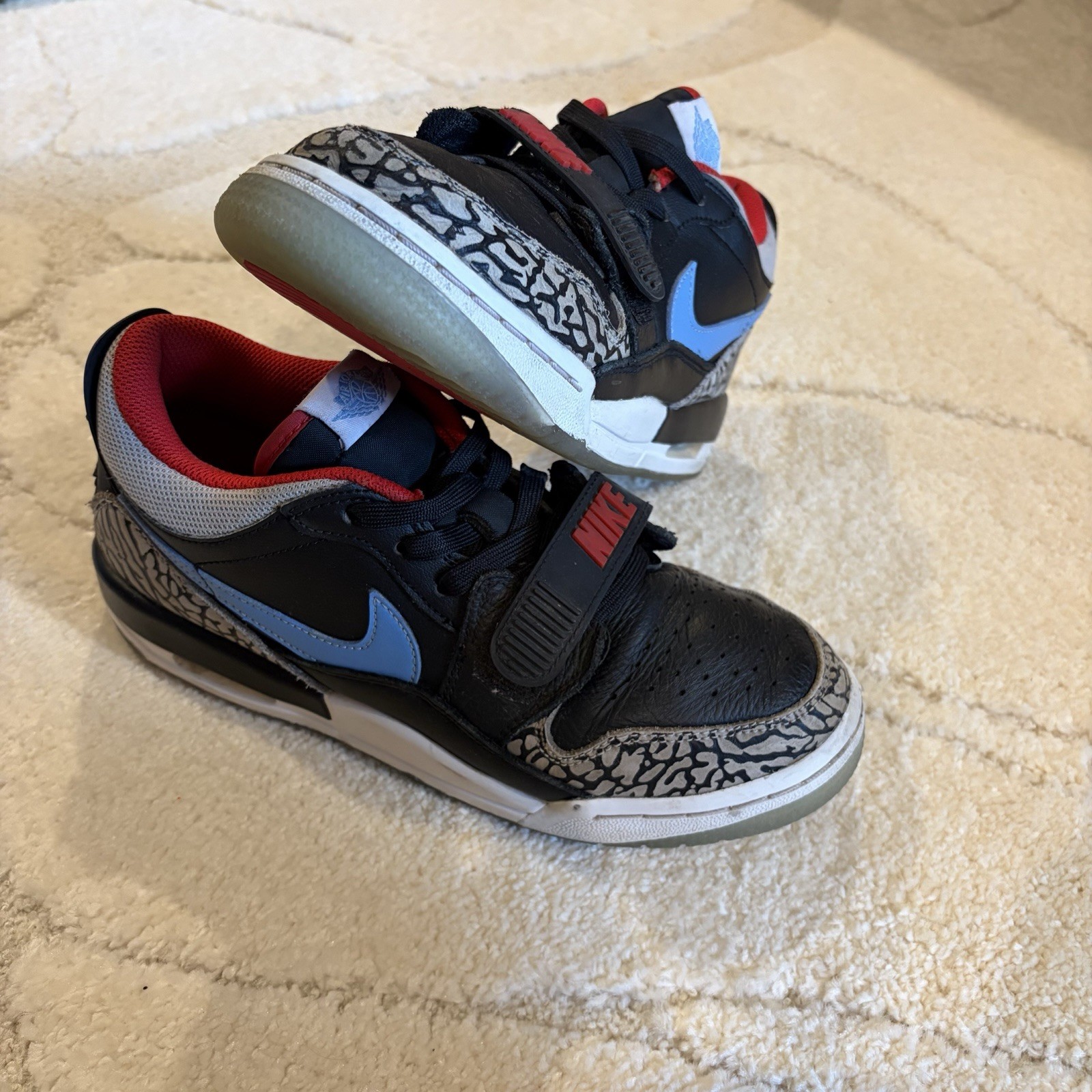
Proving high velocity in a listing attracts premium buyers. A seller can signal high demand by including verifiable data points: "Sold 3x in the last month" or "Verified high demand SKU." The single most effective element is a photo showing the shoe in a pristine, display-ready environment, ideally with original box and accessories visible. This visual confirmation of completeness and condition supports the high-velocity narrative, justifying the top end of the price range.
On eBay right now
Current asking prices from live listings — not sold-comp medians.




eBay links are affiliate links: JunkPal may earn a commission at no cost to you.