What does “resale market” mean?
What it means
The resale market is the secondary commerce ecosystem for sneakers. It is the network where sneakers change hands after leaving the original authorized retailer (e.g., Foot Locker, Nike SNKRS). This market is distinct from retail; its value is determined by collector demand, scarcity, and cultural momentum, not initial MSRP. Mainstream equivalent: Used or secondary market sales. This market dictates the current liquidity and pricing power of a specific SKU (Stock Keeping Unit).
What it does to price
Resale pricing creates a significant delta between retail and market value. Demand-driven hype can multiply the retail price by 3x to 10x or more for highly sought-after collaborations or limited drops. Conversely, models with poor cultural traction or excessive supply can sell below retail, sometimes at a 0.5x multiplier. For example, a hyped Jordan 1 Retro High might sell for $500 (retail $180), while a recent, unhyped release might sell for $120 (retail $140). Condition is a primary price driver; Deadstock (DS) commands the highest premium over Used (US).
How to spot it
Identifying market signals requires looking beyond the shoe itself. Key tells include the release scarcity (e.g., "Limited to 500 pairs"), the collaboration partner's brand recognition, and the current social media velocity surrounding the model. When vetting a listing, request high-resolution photos of the box serial number and the tongue tag. Common pitfalls involve buyers overlooking minor cosmetic flaws (scuffs, creasing) which can drop the price by 15-25%. Fakes often fail on material texture consistency or stitching alignment.
Buying smart
Paying a premium is justified when the sneaker holds proven, sustained cultural relevance (e.g., iconic silhouettes) or is part of a verifiable, extremely limited drop. A fair deal generally exists when the asking price is within 1.5x to 2x the established recent average sale price for that specific condition. If the asking price exceeds 3x the average, the risk profile increases substantially unless the shoe is a confirmed, ultra-rare grail piece. Avoid overpaying on models whose hype cycle is visibly fading in current resale data.
Selling smart
Maximizing return hinges on establishing provenance and condition clarity. Listing the item as "Deadstock" (DS) or "Brand New in Box" (BNIB) is non-negotiable for top-tier pricing. The single most effective element in a listing is a clear, well-lit photograph of the original, sealed box showing the retailer's sticker or authentication tags. Adding a brief note confirming "Original Retail Packaging" instantly validates the item's authenticity and condition, securing the highest tier of buyer interest and price.
On eBay right now
Current asking prices from live listings — not sold-comp medians.


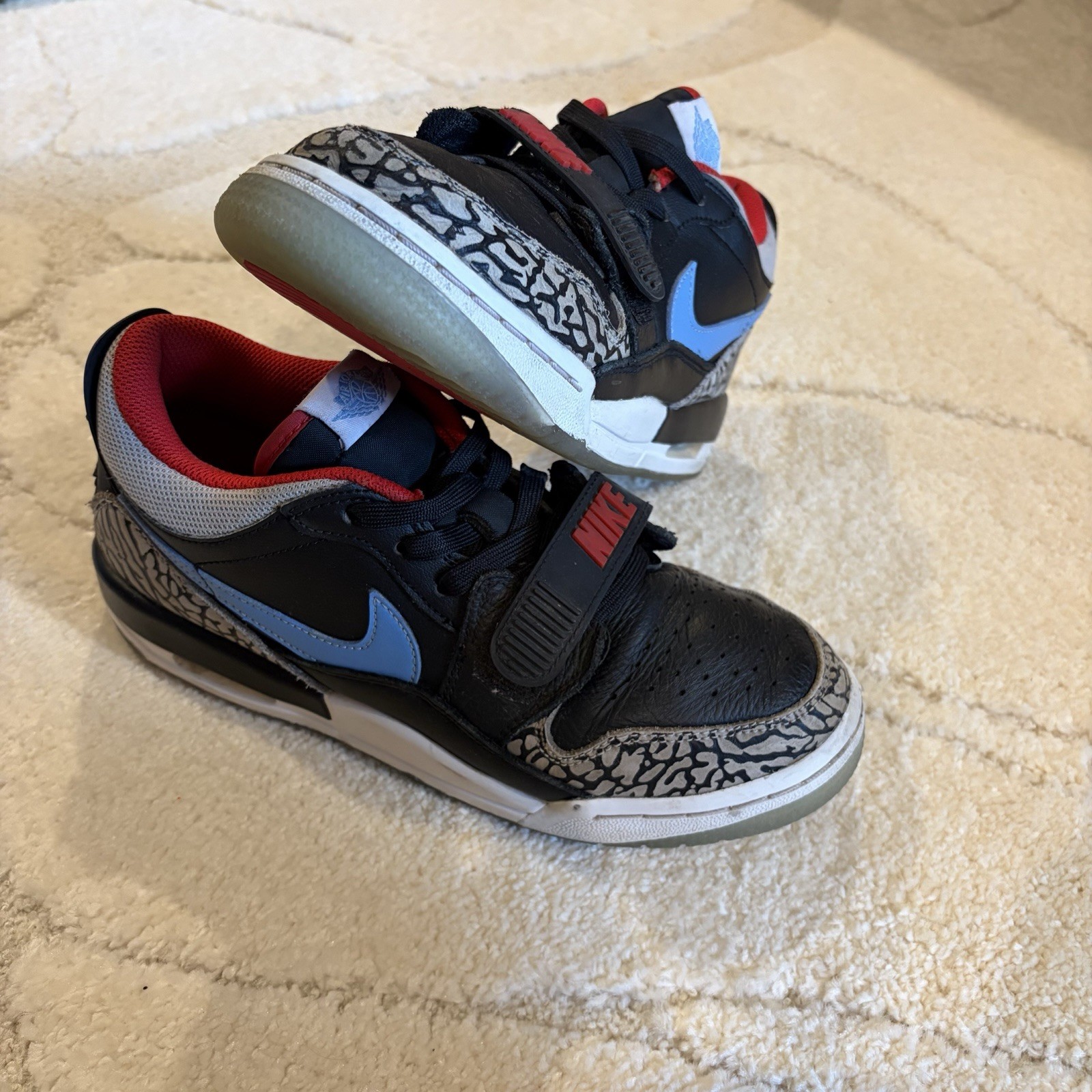


eBay links are affiliate links: JunkPal may earn a commission at no cost to you.