What does “resale floor” mean?
What it means
The resale floor is the lowest stable transaction price for a specific sneaker model in its current condition across established secondary markets. It is the market's agreed-upon baseline value. It is not the absolute lowest price ever offered, but the point where consistent, legitimate sales occur. This concept replaces the general idea of "minimum value" by focusing strictly on recent, verified sales data.
What it does to price
The floor dictates the absolute minimum viable selling price. Pricing below the floor risks triggering lowball offers that erode profit margins. Pricing significantly above the floor requires demonstrable upgrades—such as deadstock condition or verified rarity—to justify the premium. For example, a standard retail pair selling at a floor of \$150 might fetch \$250 if it is guaranteed deadstock and includes original box/tags, representing a 67% markup over the floor. A pair showing minor creasing might sell for \$120, falling below the floor, indicating a condition discount.
How to spot it
Spotting the floor requires monitoring recent transaction data, not just asking prices. Key tells include comparing sales across StockX, GOAT, and eBay completed listings. Look for consistency in the last 10-15 sales for the exact SKU. Condition is the primary variable: Deadstock (DS) sets the high end; Used/Worn sets the low end near the floor. Watch for common errors: listings mistakenly identifying a general release as a limited edition, which inflates the perceived floor.
Buying smart
Paying the floor price is justifiable when the sneaker is highly desired, has strong cultural relevance, or is a foundational piece for a collection. It is not worth the premium if the shoe is a highly saturated, low-demand model. A fair deal is typically within 5-10% of the established floor for a standard condition item. If the asking price is 20% above the floor without verifiable proof of premium condition (e.g., authenticated receipt), the deal is likely overpriced.
Selling smart
Proving the item meets or exceeds the floor conditions directly increases buyer confidence and price realization. A listing that clearly states "Deadstock" or includes high-resolution photos of the original box and hangtags earns a premium over a listing simply stating "Used." The single most effective element is a photo showing the original retail tag still attached, as this provides instant, verifiable proof of authenticity and condition integrity to the buyer.
On eBay right now
Current asking prices from live listings — not sold-comp medians.


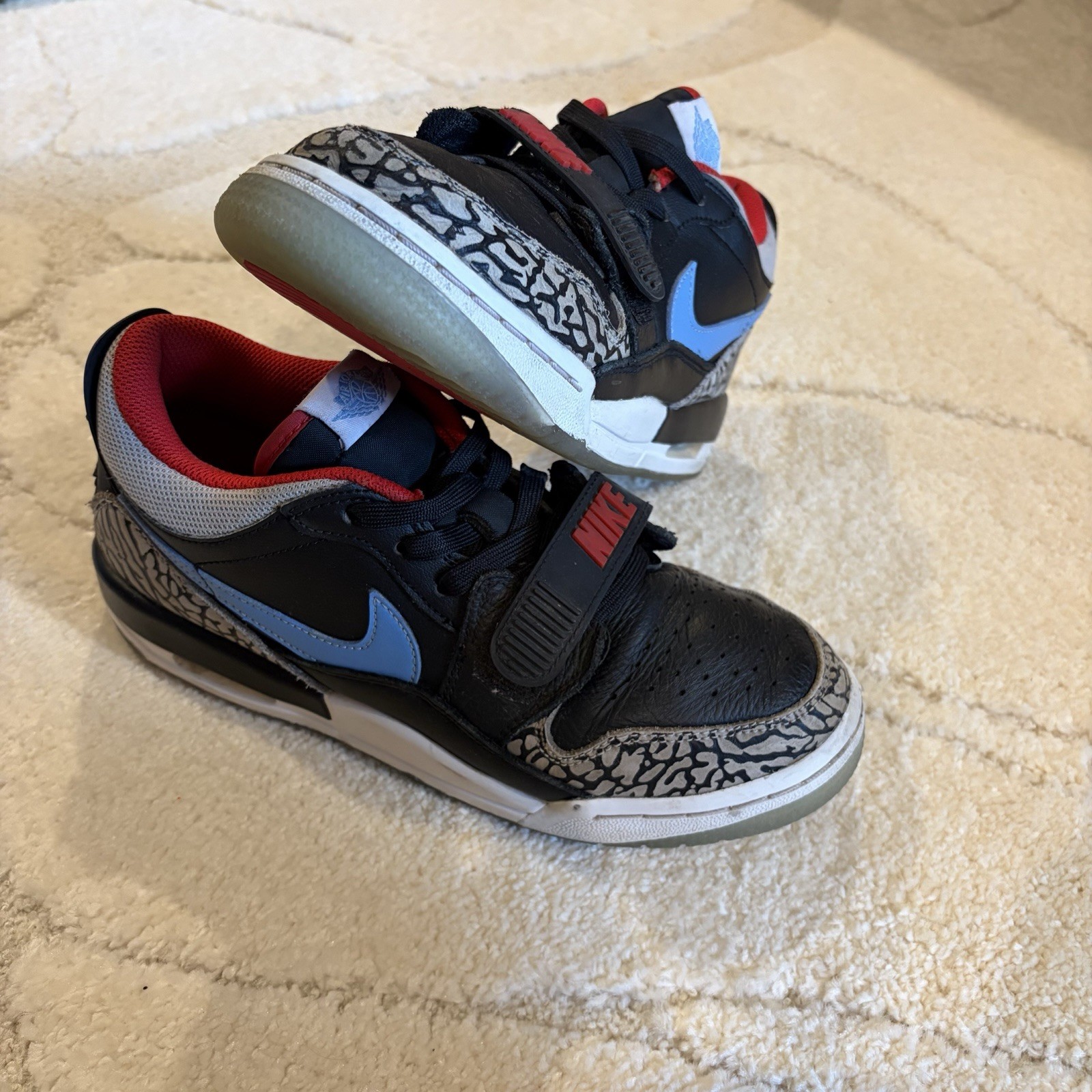


eBay links are affiliate links: JunkPal may earn a commission at no cost to you.