What does “rehab” mean?
What it means
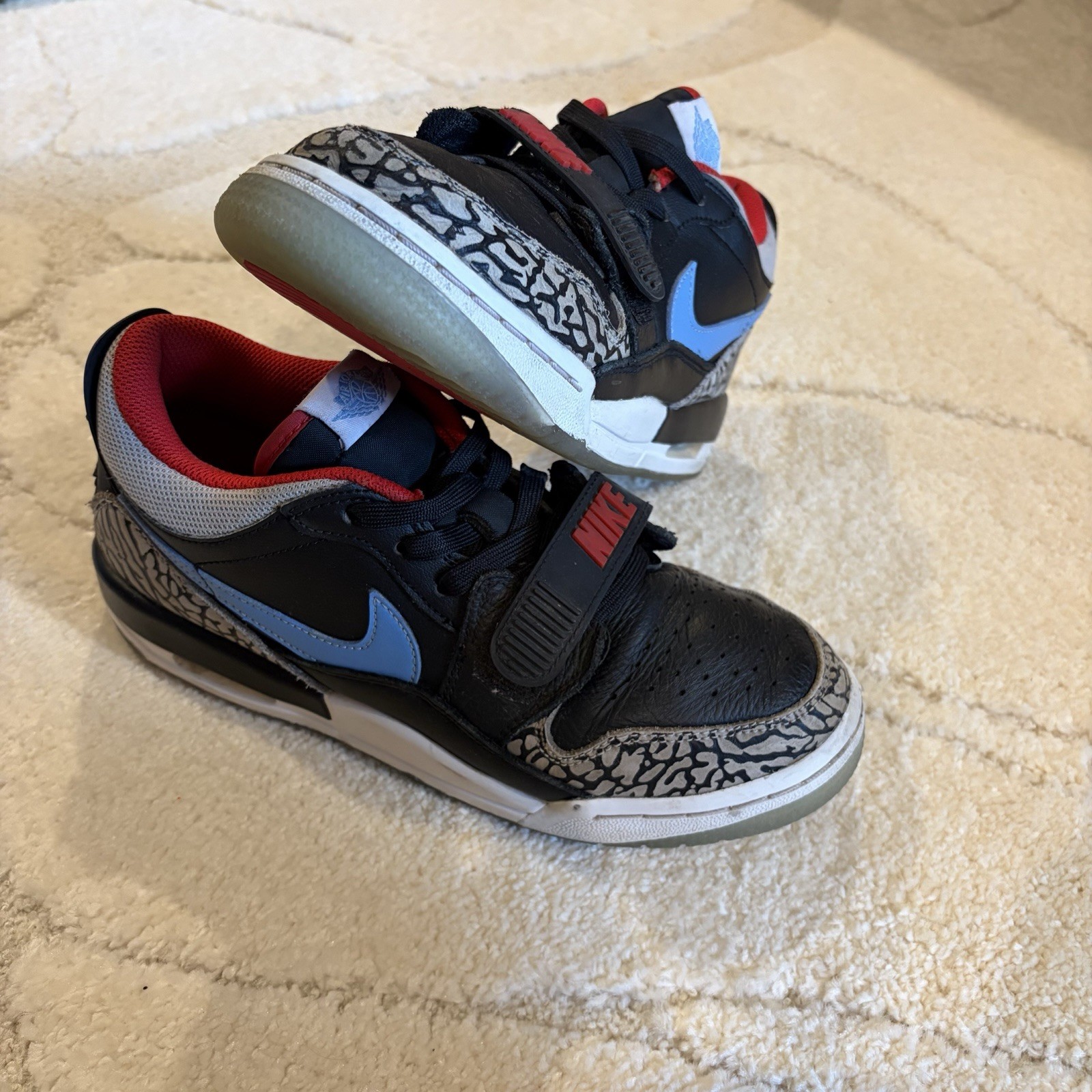
"Rehab" in the sneaker collecting niche refers to the cosmetic restoration of a pair of shoes. This process addresses wear and tear—dirt, scuffs, minor discoloration, or superficial damage—to bring the shoe closer to its original factory condition. It is distinct from a full restoration, which might involve structural replacement. For resellers, "rehab" is cosmetic maintenance. The goal is to improve aesthetic appeal without altering the shoe's fundamental structure or materials in a way that compromises authenticity.
What it does to price
The impact of "rehab" is highly variable, depending on the quality of the work and the shoe's original value. Minor cleaning and light touch-ups (e.g., removing superficial dirt) add minimal value, perhaps 5-10%. Moderate cosmetic repair—such as fixing a small scuff or minor sole discoloration—can push the price into the 1.2x to 1.5x range over a comparable, unrestored pair. Aggressive or obvious "rehab," particularly on high-tier vintage pieces, can decrease value by 15-25% because it signals non-originality. A pair of $300 sneakers with professional, subtle rehab might sell for $360-$400, whereas the same pair unrestored might fetch $310.
How to spot it
Look closely at the seams and panel lines. Professional rehab uses materials that match the original texture and color precisely. Amateur fixes often show mismatched glue residue, overly glossy touch-ups on matte leather, or visible seam reinforcement where none existed before. When inspecting midsoles, check for unevenness; quality rehab maintains the original profile. Always request high-resolution photos of the areas that were repaired, specifically focusing on the point of damage before and after the work. Fakes often feature "rehab" that looks too perfect or uses incorrect plasticizers on synthetic materials.
Buying smart
Paying a premium for "rehab" is justifiable only when the repair is subtle, professional, and necessary to reach a desirable aesthetic tier (e.g., moving from "worn" to "near-deadstock"). If the damage is extensive or the repair is obvious, the premium is unwarranted. A fair deal involves the asking price reflecting the *value* of the restored condition, not just the cost of the repair itself. If the shoe is vintage, the risk of over-restoration destroying its historical value outweighs the cosmetic benefit; these should be bought unrestored.
Selling smart
Transparency is the primary driver of premium pricing when selling a "rehabbed" pair. Listing must clearly state *what* was repaired and *how* it was done (e.g., "Minor toe scuff removed; sole cleaned"). A simple, high-quality photo isolating the repaired area, clearly showing the before/after if possible, builds buyer trust. Using the term "Cosmetically Restored" instead of just "Rehabbed" can sometimes attract higher-end buyers who understand the nuance. Documenting the repair process converts a potential liability into a documented selling point.
On eBay right now
Current asking prices from live listings — not sold-comp medians.




eBay links are affiliate links: JunkPal may earn a commission at no cost to you.