What does “prototype” mean?
What it means
A prototype is an early sample of a sneaker created during the R&D phase before mass production. It is not simply a pre-release sample; it is a functional, albeit often unfinalized, version. These items represent the design evolution of a shoe. They may feature unreleased colorways, experimental material runs, or design elements that were scrapped or altered in the final retail version. In the collecting niche, this term denotes a direct link to the design genesis, making it a historical artifact rather than just a limited edition drop.
What it does to price
Prototypes command significant premiums over retail versions. Depending on the level of documentation and the shoe's cultural significance, the value multiplier can range from 5x to 20x the standard resale price of the final product. Minor deviations—like an unfinalized logo placement or a different lace material—can decrease value if they indicate a non-representative sample. Conversely, documentation proving it was the *first* approved sample can push the value into the high end of this range. For example, a documented early version of a highly sought-after silhouette might sell for $1,500 when the final retail version sells for $300.
How to spot it
Identifying a true prototype requires close inspection beyond standard retail flaws. Look for internal tags that lack final SKU numbers or use internal factory codes. Sole molds may show tooling marks inconsistent with the final production run. Sellers must provide high-resolution photos of the box, if one exists, and any accompanying internal paperwork. Common errors in fakes involve replicating the shoe perfectly but failing to replicate the specific, often idiosyncratic, internal manufacturing markings unique to early samples. A genuine prototype will often show evidence of testing or adjustment, such as slightly different stitching tension or temporary material application.
Buying smart
Paying a premium for a prototype is justified when the shoe is historically significant (e.g., a key design pivot point for a major brand) or when the documentation is impeccable. If the item is merely a "sample" without verifiable factory lineage, the premium is speculative and risky. A fair deal requires the price to be anchored to the *provenance*—the chain of custody—not just the appearance of the shoe. If the asking price is significantly higher than documented examples of similar provenance, the risk outweighs the reward.
Selling smart
The value of a prototype is entirely dependent on its verifiable story. Listing details must move beyond "early version." The single most valuable asset in a listing is the documentation—a photo of the internal factory tag showing a non-retail code, or a scanned copy of an internal design memo. Use the word "Provenance" in the title. This word signals to high-tier collectors that the item is authenticated beyond simple visual inspection, justifying the highest possible price bracket.
On eBay right now
Current asking prices from live listings — not sold-comp medians.

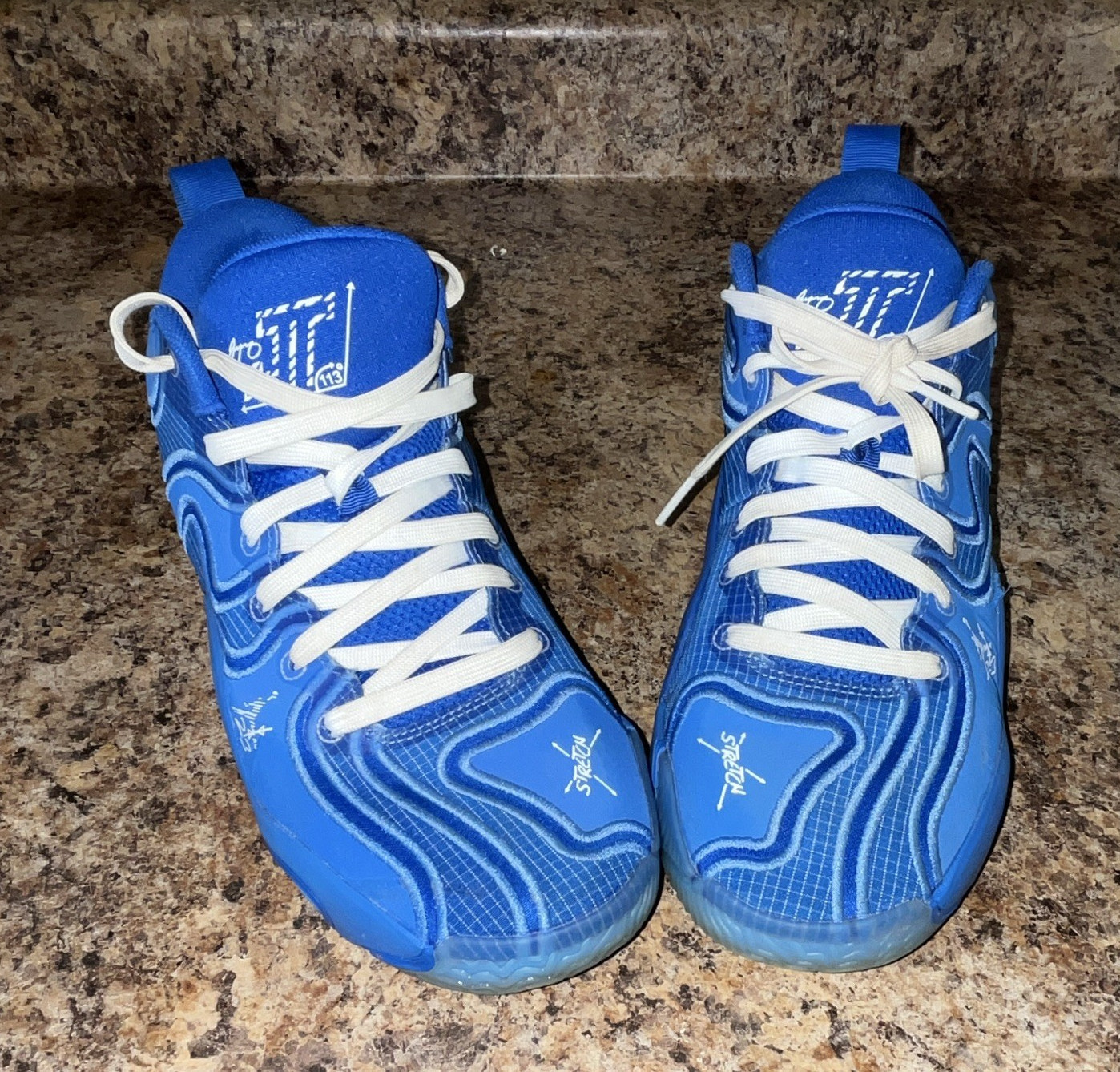


eBay links are affiliate links: JunkPal may earn a commission at no cost to you.