What does “pre-owned” mean?
What it means
"Pre-owned" in the sneaker market means the item has been worn by a previous owner. This contrasts with "deadstock," which is brand new and unworn, and "DS" (Deadstock). The term signifies a used condition, not necessarily damage, but the presence of wear. It is the direct opposite of "new with box" (NWB) or "brand new." The condition level—ranging from barely worn to heavily used—is the primary differentiator in its value.
What it does to price
Wear directly reduces market value compared to deadstock. A lightly worn pair of a sought-after model might retain 60–80% of its deadstock value. A heavily used pair can drop to 20–40% of the deadstock price. Factors that push the price up include minimal wear, pristine soles, and original packaging being present. Factors that push it down include significant scuffing, discoloration, or sole separation. For example, a pair of vintage Jordans with minor sole wear might sell for $150 less than an identical pair in deadstock condition.
How to spot it
Visual inspection is necessary. Look closely at the outsole tread for signs of dirt embedding or wear patterns. Check the interior lining for compression marks or discoloration from sweat. Examine the midsole for yellowing or cracking, which indicates age and use. Sellers must provide clear photos of the bottom of the shoe. Common mistakes include sellers mislabeling a heavily worn pair as "lightly used." Fakes often fail to replicate the subtle patina or wear patterns of genuine, aged leather, but genuine wear is easily visible.
Buying smart
Paying a premium for pre-owned sneakers is justified when the model is rare, vintage, or highly desirable, and the wear is genuinely minimal (approaching deadstock). It is not worth the premium if the wear is extensive and compromises the shoe's aesthetic appeal. A fair deal involves a price that reflects the *actual* visible condition, not the original retail price. If the wear is significant, the price should reflect a heavy discount relative to new market listings.
Selling smart
Transparency maximizes resale value. Listing the item as "pre-owned" is standard, but adding specific condition descriptors—such as "lightly worn," "gently used," or "heavy sole wear"—is critical. Providing close-up, high-resolution photos specifically targeting the areas of wear (soles, toe box, heel counter) allows the buyer to self-assess the condition. The single most valuable addition to a listing is an honest, detailed description of *where* the wear is located.
On eBay right now
Current asking prices from live listings — not sold-comp medians.


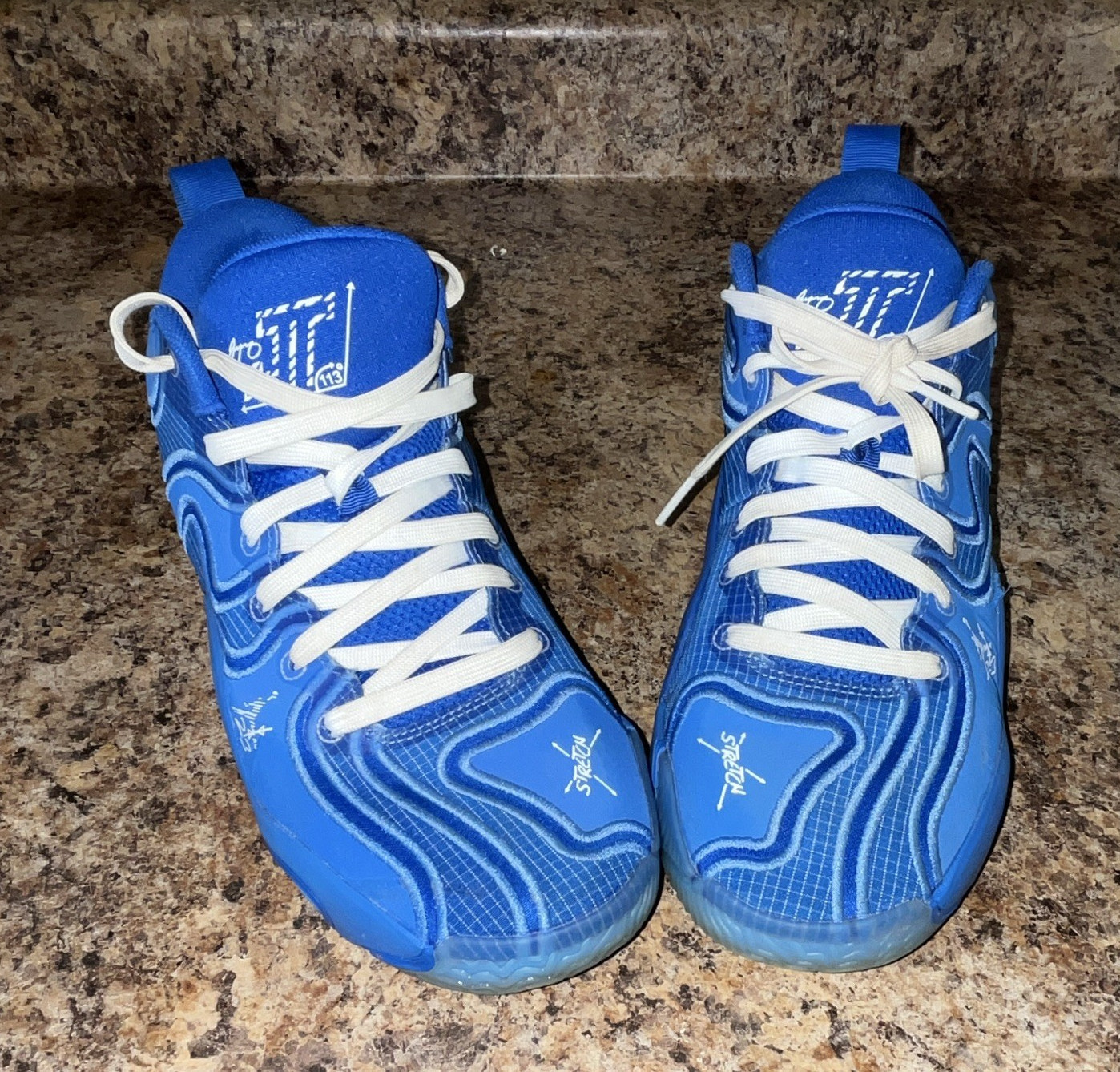


eBay links are affiliate links: JunkPal may earn a commission at no cost to you.