What does “pair condition” mean?
What it means
Pair condition is the comprehensive physical assessment of a specific sneaker unit. It dictates the item's current market value. This assessment covers material integrity, including the upper (leather, mesh, synthetics), midsole, and outsole. Key indicators include creasing patterns, sole separation, discoloration (yellowing on midsoles), scuffing, and signs of use (dirt, abrasion). The term "Deadstock" means the item is brand new, unworn, and in its original packaging (or pristine condition if unwrapped). Any deviation from Deadstock—even minor creasing—is classified as used or worn.
What it does to price
Condition is the primary determinant of price deviation for identical models. Deadstock items command the highest premium, often 1.8x to 3x the price of a lightly worn pair. A pair with moderate wear (visible creasing, minor sole dirt) typically sells for 50% to 70% of the Deadstock price. Significant damage, such as peeling glue, major tears, or heavy sole wear, can drop the price by 60% or more. For example, a pristine pair of a sought-after retro runner might sell for $400; the same model with noticeable heel wear might drop to $250.
How to spot it
Assessment requires close inspection of specific areas. Examine the outsole tread for wear patterns—worn-down lugs indicate heavy use. Check the midsole for yellowing, especially on older rubber compounds. Inspect the upper seams for stress cracks or separation. Sellers must provide high-resolution photos of the soles, heel counters, and any areas prone to creasing (toe box, ankle collar). Be wary of sellers using vague terms like "gently used"; this requires photographic evidence. Fakes often exhibit poor material quality that shows wear unevenly or displays incorrect stitching tolerances.
Buying smart
Paying a premium for Deadstock is warranted only when the model is highly desirable, limited edition, or has proven resale velocity. For common, easily sourced models, the price difference between Deadstock and lightly worn might not justify the extra cost. A fair deal for a worn pair is one where the asking price reflects the visible wear; if a pair has clear scuffs but is priced like Deadstock, it is inflated. If the wear is minor (e.g., one or two light scuffs), the premium over a heavily worn pair should be modest.
Selling smart
Listing condition accurately prevents returns and buyer disputes. Using precise terminology (e.g., "DS," "Lightly Used," "Heavy Wear") is mandatory. The single most effective element in a listing is a set of clear, well-lit photographs focusing exclusively on the soles and heel areas. A single photo showing the clean, untouched tread pattern can instantly elevate a listing from "Used" to "Near Mint," justifying a significant price increase for collectors prioritizing pristine presentation.
On eBay right now
Current asking prices from live listings — not sold-comp medians.


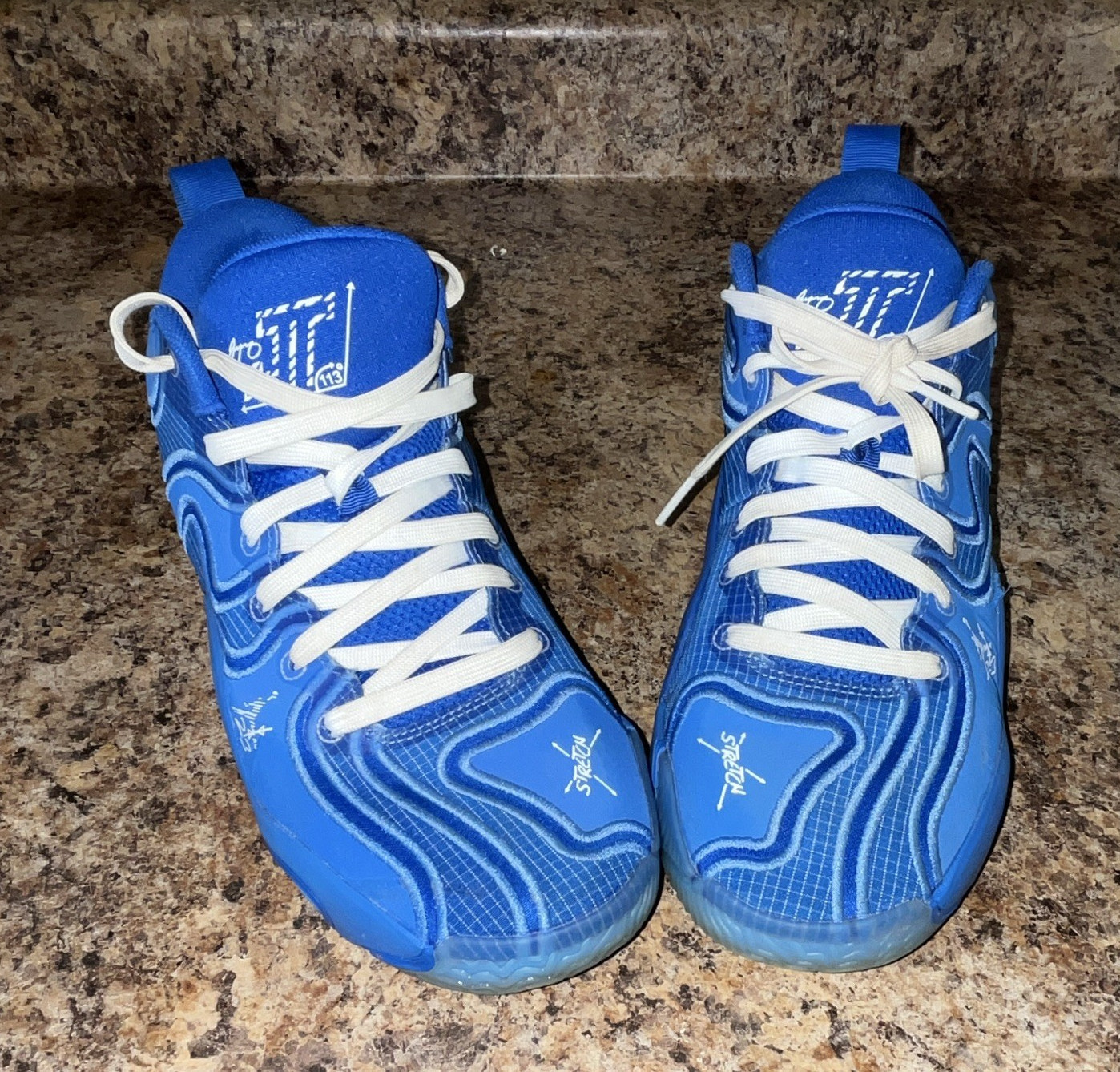


eBay links are affiliate links: JunkPal may earn a commission at no cost to you.