What does “og materials” mean?
What it means
"OG materials" refers to the exact composition of the physical components—leather, rubber, textile, plastic, and hardware—used in the original production run of a sneaker model. This is not merely about the colorway or silhouette; it is about material fidelity. The mainstream equivalent is "original specification build." This term distinguishes a shoe built with the materials specified for the initial market release from a later reissue, a restock, or a modern reproduction that uses updated or cheaper substitutes. Material integrity is the baseline for authenticity in high-end sneaker collecting.
What it does to price
Material authenticity is a direct multiplier on value. A shoe confirmed to use OG materials typically commands a premium of 15% to 35% over a comparable model built with modern or substituted materials, assuming all other factors (condition, size) are equal. If a shoe is listed at $500, confirming OG materials could push the asking price toward $575-$675. Conversely, if a shoe is marketed as OG but is later proven to use synthetic leather where the original used genuine calfskin, the value can drop by 20% or more, depending on the material substitution's significance.
How to spot it
Verification requires close inspection beyond superficial appearance. Key areas to check include the texture of the leather (is it grainy, smooth, or pebbled as per the original release photos?), the specific chemical composition of the rubber sole (some older soles have a distinct smell or density), and the thread count/stitching pattern. Sellers must provide high-resolution, macro photography of material seams and tags. Common pitfalls include modern dyes that mimic vintage colors, or the use of synthetic overlays where the original utilized genuine suede. Always cross-reference material appearance against archived press photos of the original launch.
Buying smart
Paying a premium for OG materials is justified when the shoe is a highly sought-after, historically significant release (e.g., a seminal collaboration or early silhouette). If the model is a common, recent reissue, the premium for material verification is often negligible or non-existent. A fair deal means the seller provides verifiable proof of material sourcing or provenance, and the premium paid does not exceed the established market variance for that specific model. If the seller cannot provide visual evidence of the material quality matching known original samples, the discount should reflect the risk of material substitution.
Selling smart
Listing a shoe as having "OG materials" immediately elevates its perceived rarity and quality tier. This descriptor allows for a higher asking price ceiling. The single most effective element to include in the listing is a side-by-side photo comparison: one shot of the shoe's material texture next to a high-resolution image of the original release's material reference photo. Using the term "Verified OG Material Construction" in the title, rather than just "OG," provides concrete proof that justifies the top end of the market price range.
On eBay right now
Current asking prices from live listings — not sold-comp medians.


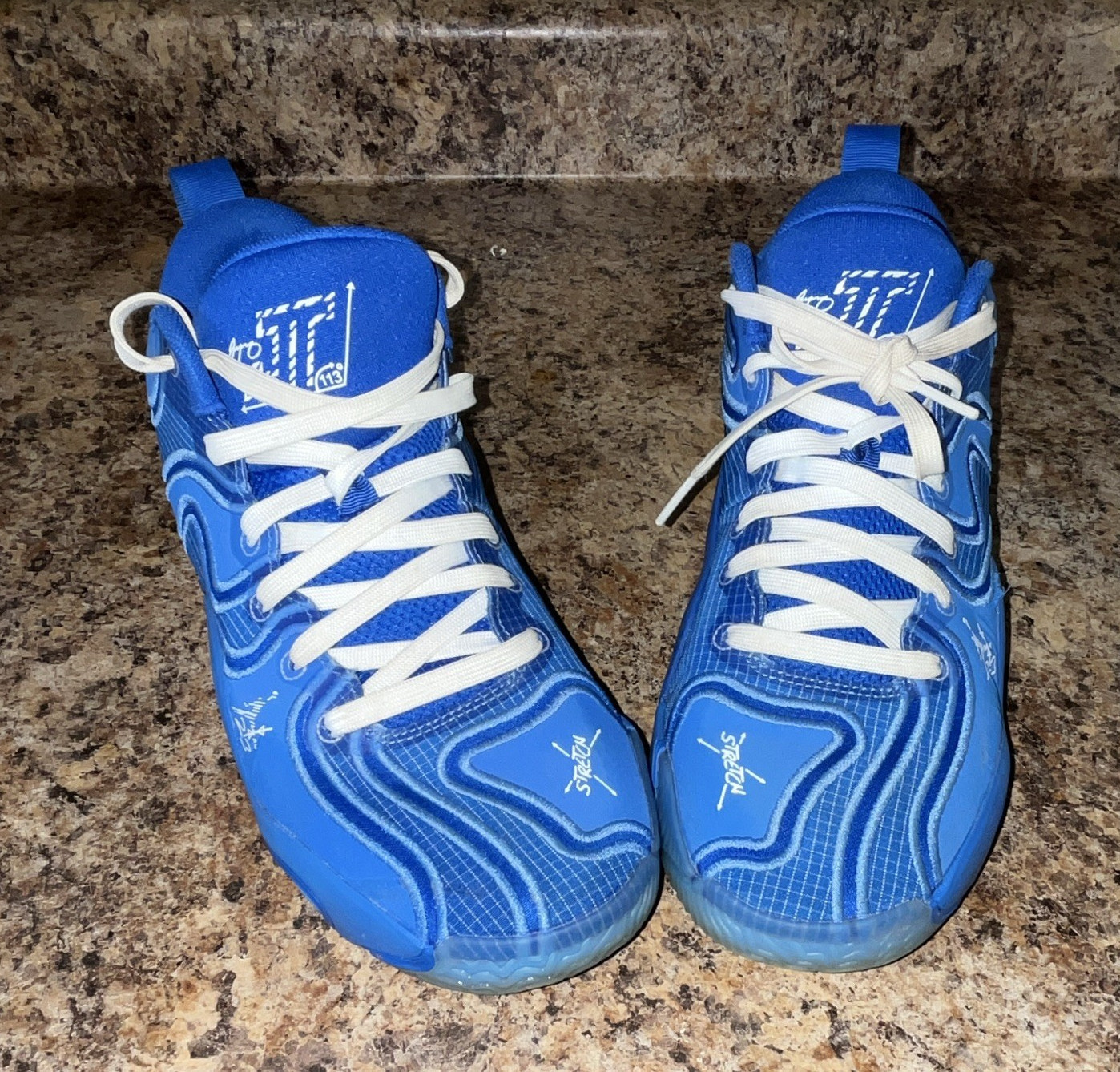


eBay links are affiliate links: JunkPal may earn a commission at no cost to you.