What does “og hype” mean?
What it means
"OG hype" describes sneakers that were seminal releases—the foundational, most iconic version of a shoe that generated massive, immediate cultural demand upon its initial drop. "OG" confirms the shoe is the original design, not a later iteration or collaboration. "Hype" signifies the extreme, verified scarcity and cultural relevance that propelled initial demand. In plain terms, it means the shoe is a recognized piece of sneaker history. This is not just a popular shoe; it is a historically significant, highly desired artifact within the sneaker collecting sphere.
What it does to price
The designation "OG hype" acts as a massive scarcity multiplier. These shoes command exponential premiums over retail. A standard, non-hype release might sell for 1.2x retail on the secondary market; an OG hype piece typically starts at 5x to 20x retail, depending on cultural saturation and condition. Factors that push the price up include box presence (Deadstock/CIB), verified provenance, and limited production runs. A shoe like an original Air Jordan 1 Retro High OG (if authenticated) can easily trade for $1,500+ when retail was $120, demonstrating a 12x multiplier.
How to spot it
Spotting an OG hype piece requires knowledge of the specific model's original release specifications. Check for specific colorways, material compositions, and unique graphic placements tied to the original launch. Sellers must provide high-resolution photos of the tongue tag, sole markings, and internal stitching. Common issues include "re-releases" that mimic the look but lack the original material quality or specific hardware. Fakes often fail on material texture or stitching precision. If the listing lacks photos of the original box and tags, the hype value is immediately compromised.
Buying smart
Paying the premium for an OG hype piece is justified only when the shoe is historically critical to the brand or culture, and when the authentication risk is mitigated. If the shoe is a recent, highly hyped release but lacks deep historical significance (i.e., it’s just "trendy"), the premium is often inflated and risky. A fair deal requires the asking price to align with recent, verified sales data for that specific SKU, not just general hype. If the asking price is 3x the established market average for that specific model, further due diligence is necessary.
Selling smart
Proving the authenticity and original nature of the shoe is the primary driver of premium value. Listing the item with clear, professional photos of the box, original tags, and any unique edition markers immediately elevates the perceived value. The single most effective word in a listing description is "Verified" or "Authenticated," provided the seller has third-party proof. This single claim shifts the listing from a speculative sale to a documented asset sale, allowing the seller to command the top end of the established market range.
On eBay right now
Current asking prices from live listings — not sold-comp medians.


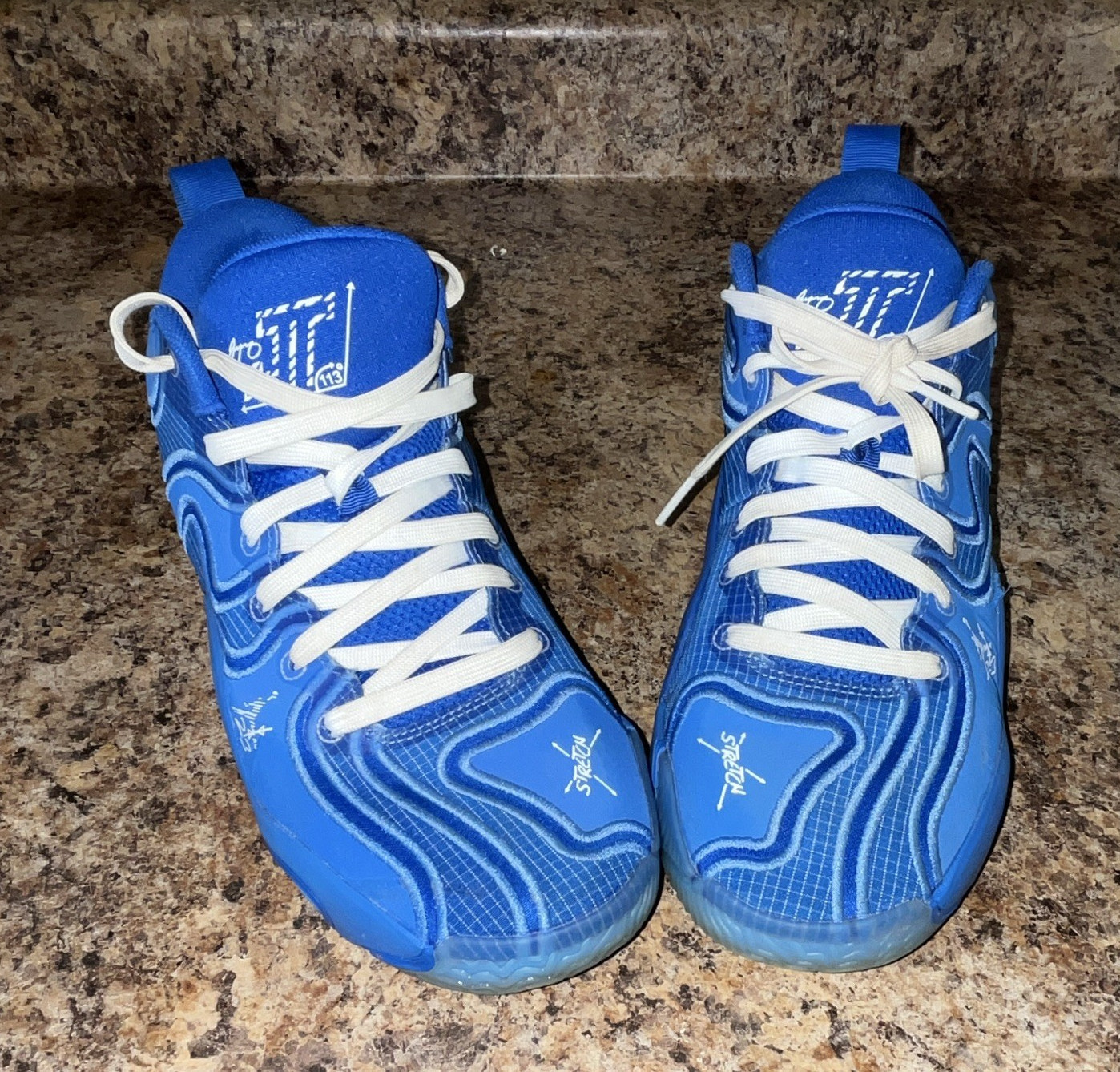


eBay links are affiliate links: JunkPal may earn a commission at no cost to you.