What does “new balance” mean?
What it means
New Balance refers to the footwear brand. In the collecting niche, it denotes a specific category of sneaker, often prized for its heritage design mixed with modern comfort. The market encompasses lifestyle silhouettes (e.g., 550, 2002R) and performance running shoes. Unlike hyper-exclusive streetwear brands, New Balance offers a broader spectrum of availability, meaning value is dictated less by scarcity and more by model lineage, colorway rarity, and condition. The term does not refer to a single shoe but the entire product line.
What it does to price
Model and condition are the primary drivers. A general release, non-collaboration pair in deadstock condition typically trades at its retail price or slightly above (1.0x to 1.2x). High-demand, limited-edition releases or collaborations (e.g., specific artist partnerships) can see multiples of 3x to 6x retail, depending on aftermarket hype. Vintage or discontinued colorways, especially those from the 990 series, command a steady premium, often 1.5x to 2.5x retail, based on perceived rarity. A simple mistake, such as listing a used pair as deadstock, can inflate the price by 50% or more in a listing error.
How to spot it
Authenticity checks focus on material quality, construction precision, and labeling. Genuine New Balance shoes feature specific stitching patterns and material grain consistent across the model line. Look closely at the tongue tag and insole printing for sharp, consistent text. Common pitfalls include cheap, poorly molded rubber accents or inconsistent material texture. For fakes, the logos often appear slightly off-center or use incorrect font weights. Sellers must provide clear, high-resolution photos of the sole foxing, the internal tag, and the box condition for verification.
Buying smart
Paying a premium is justified when acquiring a highly sought-after, authenticated collaboration piece or a historically significant colorway of a classic model (like a specific 990 variant). Buying a general release pair at a significant markup (over 25% above retail) is usually unnecessary unless the shoe is a specific, verified "grail" colorway. A fair deal involves a price that is within 10-20% of established resale averages for that specific size and condition. If the asking price is 4x retail for a standard release, the risk outweighs the potential reward.
Selling smart
Proving the shoe’s condition dictates the final sale price. For maximum return, the listing must explicitly state "Deadstock" or "DS." A clear photo showing the original box, tags, and unworn soles is non-negotiable for achieving top-tier pricing. Using the specific model name and colorway (e.g., "NB 550 'Grey/Gum'") rather than a generic description ensures buyers know exactly what they are paying for. Listing with "Deadstock" versus "Used" can create a price differential of 100% or more for the same shoe.
On eBay right now
Current asking prices from live listings — not sold-comp medians.


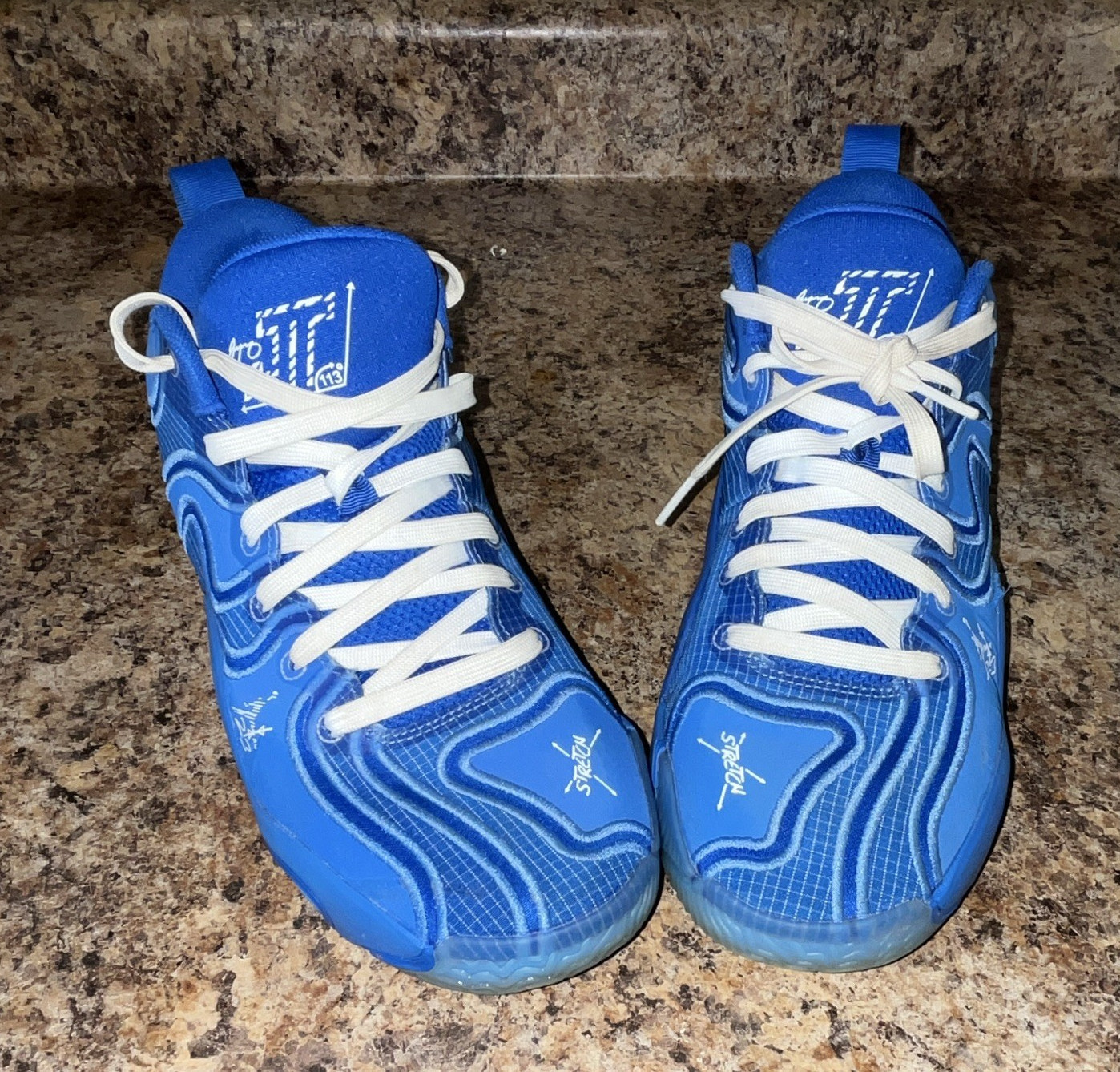


eBay links are affiliate links: JunkPal may earn a commission at no cost to you.