What does “midsole material” mean?
What it means
Midsole material is the specific compound—foam, EVA, TPU, or rubber—sandwiched between the shoe's upper and the outsole. In the sneaker collecting niche, it is not just a structural element; it is a proprietary technology marker. It dictates the shoe's performance profile: cushioning level, energy return, and weight. Mainstream equivalent: The cushioning unit. For resale valuation, the material itself is often more valuable than the aesthetic design, as it signifies the original engineering tier of the shoe.
What it does to price
Proprietary, high-density, or energy-return foams (e.g., ZoomX, PEBAX, Boost) act as a significant value multiplier. A model featuring a top-tier proprietary foam can command a 30-60% premium over the same model using standard EVA foam, assuming all other factors are equal. A shoe using a known, sought-after foam compound can increase perceived value by $50 to $150+ in the secondary market, depending on the model's baseline popularity. Conversely, if a shoe is advertised as having a premium foam but inspection reveals cheap, compressed, or generic foam, the value can drop by 20-40% immediately upon discovery.
How to spot it
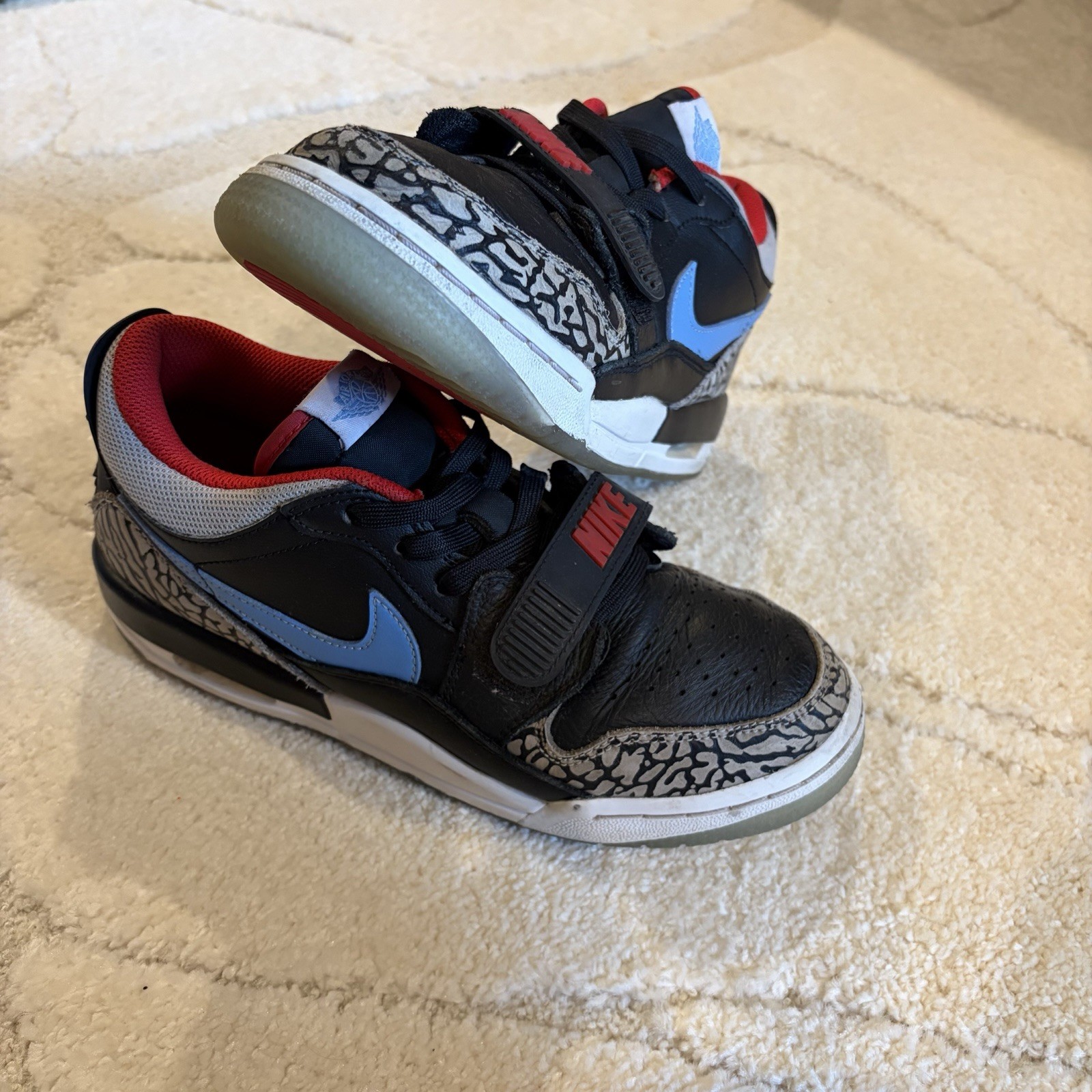
Identification requires close inspection of the midsole's texture, density, and any visible branding. Many modern midsoles feature specific text or molded logos (e.g., "React," "Air Unit," or specific foam density indicators). Sellers must provide high-resolution photos of the lateral and medial sides of the midsole. Common pitfalls include counterfeits that use generic, low-density foam that looks similar but lacks the specific cellular structure of the genuine article. Honest mistakes involve wear patterns; excessive creasing or visible material separation around the foam edges is a red flag for poor condition.
Buying smart
Paying a premium for a specific midsole material is justified when the shoe is a highly sought-after performance model or a limited-edition release where the foam technology is the primary selling point. If the shoe is a general lifestyle release with a standard EVA midsole, the premium for the material itself is negligible; focus instead on condition and scarcity. A fair deal involves the material being intact, showing minimal compression (less than 10% height loss from factory spec), and exhibiting no signs of chemical breakdown or yellowing.
Selling smart
Highlighting the specific midsole technology in the listing title and description is crucial. Instead of listing "White Runner," list "White Runner featuring ZoomX Midsole." This immediately targets knowledgeable buyers willing to pay a premium for that specific tech. The single most effective asset for proving value is a clear, close-up photograph of the midsole sidewall showing the material's texture and any visible proprietary branding. This visual proof substantiates the higher asking price.
On eBay right now
Current asking prices from live listings — not sold-comp medians.




eBay links are affiliate links: JunkPal may earn a commission at no cost to you.