What does “midsole cushioning” mean?
What it means
Midsole cushioning is the specialized foam or polymer layer situated between the outsole (the bottom contact surface) and the upper structure of the sneaker. This component is the primary determinant of the shoe's intended ride quality, impact absorption, and overall comfort profile. In the collecting and reselling niche, "midsole cushioning" refers less to general comfort and more to the specific proprietary technology employed—e.g., Nike React, Adidas Boost, or specific EVA compounds. The quality and integrity of this material are direct indicators of the shoe’s original technological tier. Degradation, such as noticeable compression or discoloration, signals material fatigue and a reduction in the shoe's intended performance standard.
What it does to price
Cushioning integrity is a direct value modifier. A shoe with pristine, uncompressed midsoles commands a premium, often 15-30% higher than a comparable pair exhibiting moderate compression. Severe flattening or cracking in the midsole can trigger a 40-60% depreciation in resale value, as it implies heavy, non-collector use. For high-demand, technologically advanced models, the presence of original, uncompromised cushioning is a baseline requirement for achieving top-tier aftermarket pricing. A $300 sneaker with perfectly preserved cushioning might fetch $350+; the same shoe with noticeably squashed foam might only sell for $250.
How to spot it
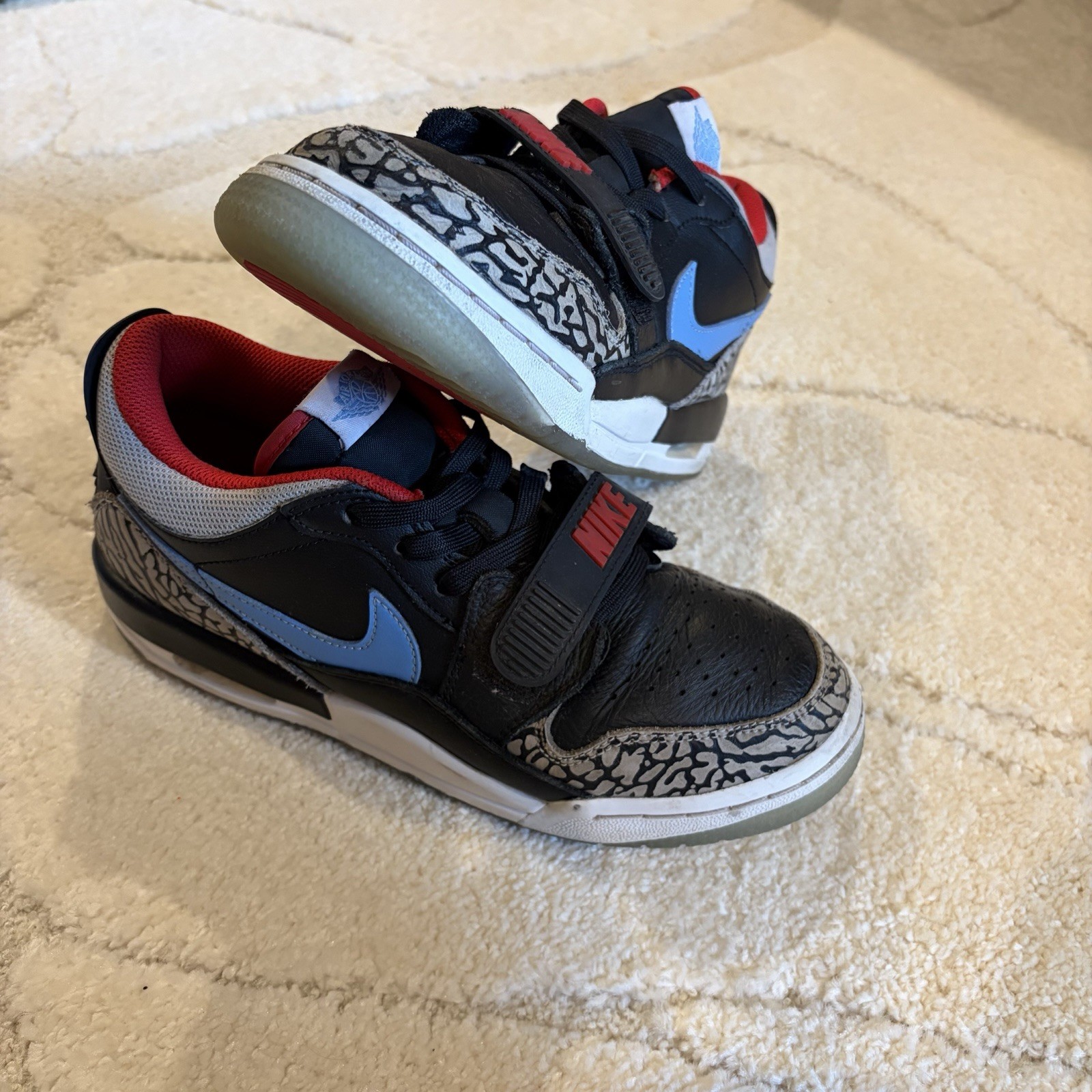
Inspect the midsole from multiple angles, especially along the heel strike zone and forefoot. Look for uniformity in the foam structure; unevenness suggests manufacturing defects or localized impact damage. Specific cushioning technologies often have visual identifiers: Boost is characterized by its distinct, pebbled appearance; React often shows a more uniform, dense texture. When evaluating condition, check for "creasing" or "stress marks" where the midsole meets the upper, which indicates flex points have been heavily utilized. Sellers should provide high-resolution photos of the sole profile, not just the side view.
Buying smart
Paying a premium for cushioning is justified when the shoe is a highly sought-after, technologically significant release, and the condition is near-new. If the cushioning is factory-grade and intact, the shoe retains its intended market value. However, paying top dollar for older or less iconic models solely based on cushioning is often overpaying. If the midsole shows signs of significant compression (i.e., it looks visibly flatter than the original design profile), the purchase price must be discounted by at least 25% to account for the lost performance value.
Selling smart
Proving the condition of the midsole is critical for maximizing sale price. Buyers are highly sensitive to midsole wear because it is the most objective measure of use. The single most effective proof point is a clear, well-lit photo showing the entire bottom profile of the shoe, highlighting the midsole structure. Listing the condition as "Deadstock/Pristine Cushioning" immediately sets a higher expectation. If the cushioning is factory-new, this language justifies a 10-20% premium over listings that merely state "Used - Good Condition."
On eBay right now
Current asking prices from live listings — not sold-comp medians.




eBay links are affiliate links: JunkPal may earn a commission at no cost to you.