What does “mesh” mean?
What it means
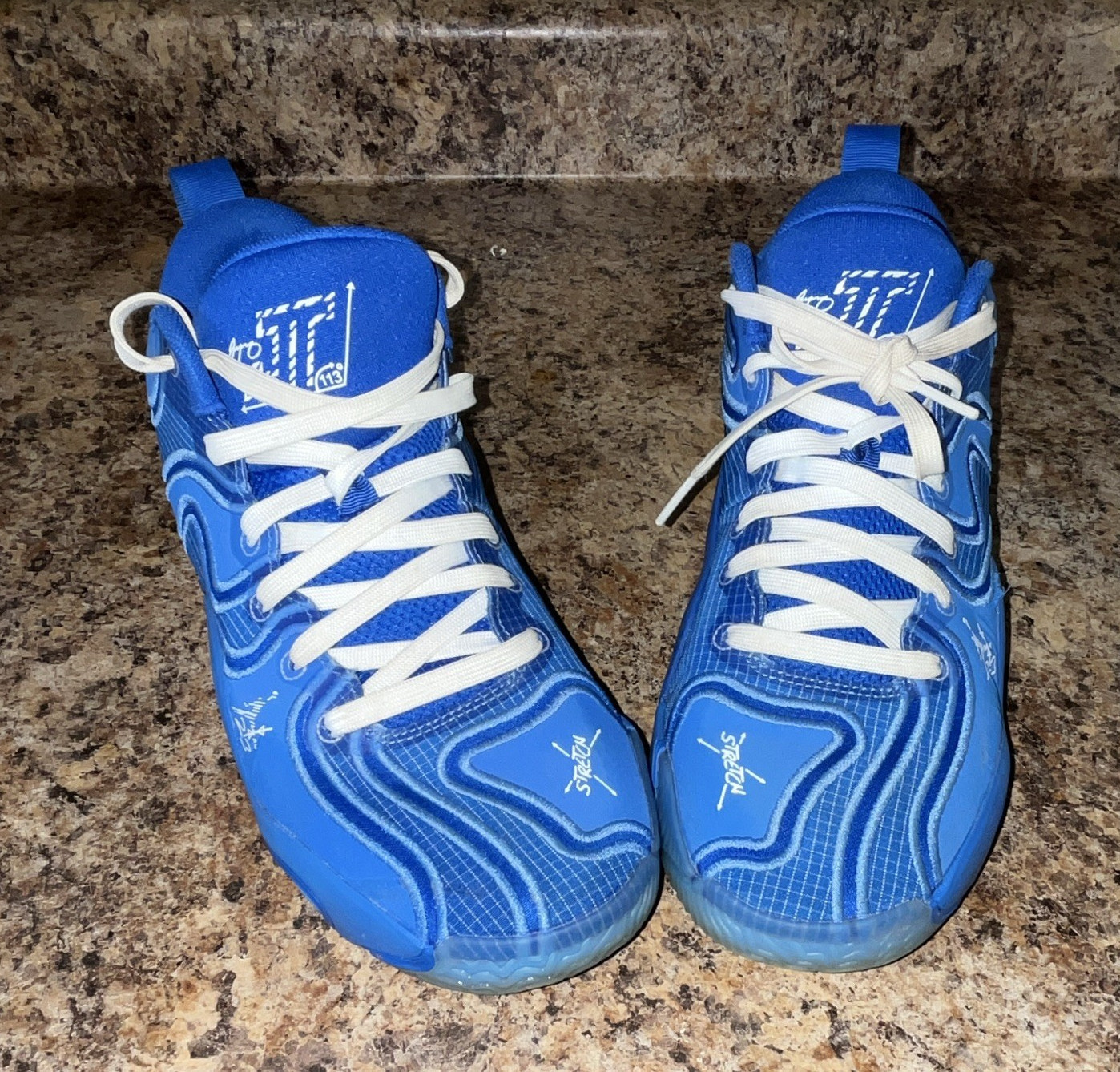
Mesh in sneakers is a specific textile construction, usually synthetic, characterized by an open, net-like weave. In collecting, it is not merely a material but a design feature. It functions as the primary upper material, replacing traditional leather or suede panels. Its presence signals a specific design era or performance focus. While mainstream wearers value breathability, collectors assess its integration—is the mesh engineered, or is it a simple, low-quality netting? The term refers to the structural integrity and pattern of this weave.
What it does to price
The quality and execution of the mesh directly influence value. High-density, tightly woven, or uniquely patterned mesh found on premium releases can add 10-20% to the baseline price compared to a model using a simpler, open-weave mesh. Conversely, visible mesh degradation—snags, stretching, or heavy soiling—can cause a 25-40% reduction in resale value. For example, a pair of otherwise perfect sneakers with heavily yellowed, brittle mesh might sell for $30 less than an identical pair with pristine mesh.
How to spot it
Inspect the mesh pattern under direct light. Authentic, high-end mesh often exhibits consistent pore sizing and uniform thread tension across the entire upper. Common tells of counterfeits include overly coarse netting or areas where the mesh appears glued rather than integrated into the structure. Sellers must provide high-resolution, close-up photos focusing on the toe box and side panels. Look for areas where the mesh meets synthetic overlays; poor adhesion here is a major red flag.
Buying smart
Paying a premium for mesh is justified when the mesh is a signature element of a highly sought-after, limited-edition silhouette (e.g., specific Nike VaporMax or Yeezy iterations). If the mesh is standard, utilitarian, and not part of the shoe's unique visual identity, the premium is questionable. A fair deal involves the asking price reflecting the mesh's condition; if the mesh shows minor creasing but is structurally sound, the discount should be minimal (under 10%).
Selling smart
Documenting the mesh condition is paramount. Buyers pay more for documented quality. The single most effective addition to a listing is a macro photograph of the mesh in the most stressed area (usually the midfoot). A simple, unambiguous description like "Mesh: Mint condition, no snags" earns a premium over generic descriptions. If the mesh is perfectly intact, listing it as "Structurally sound mesh" provides confidence that justifies a higher asking price.
On eBay right now
Current asking prices from live listings — not sold-comp medians.




eBay links are affiliate links: JunkPal may earn a commission at no cost to you.