What does “material composition” mean?
What it means
Material composition is the precise breakdown of the raw substances used in constructing a sneaker. This includes the type of upper (e.g., genuine full-grain leather, woven mesh, nubuck, canvas), the sole components (e.g., natural gum rubber, EVA foam, TPU), and any accent materials. In the collecting niche, this goes beyond simple identification; it verifies the intended build quality. The mainstream equivalent is simply "what it's made of," but here, the nuance matters: "genuine premium leather" is functionally different from "leather-look synthetic."
What it does to price
Material quality directly impacts valuation ceilings. Genuine, high-grade materials—such as untreated calfskin or high-density rubber compounds—support higher aftermarket pricing. A shoe listed with genuine premium leather can command a 20-40% premium over the same silhouette constructed entirely from synthetic overlays, assuming all other factors (condition, scarcity) are equal. Conversely, if a shoe marketed as having premium suede is found to be a low-grade synthetic textile, the value can drop by 30-50% instantly, as perceived quality is destroyed. For example, a pair of sneakers advertised with genuine leather components might sell for $350, whereas the same model with synthetic substitutes might only fetch $225.
How to spot it
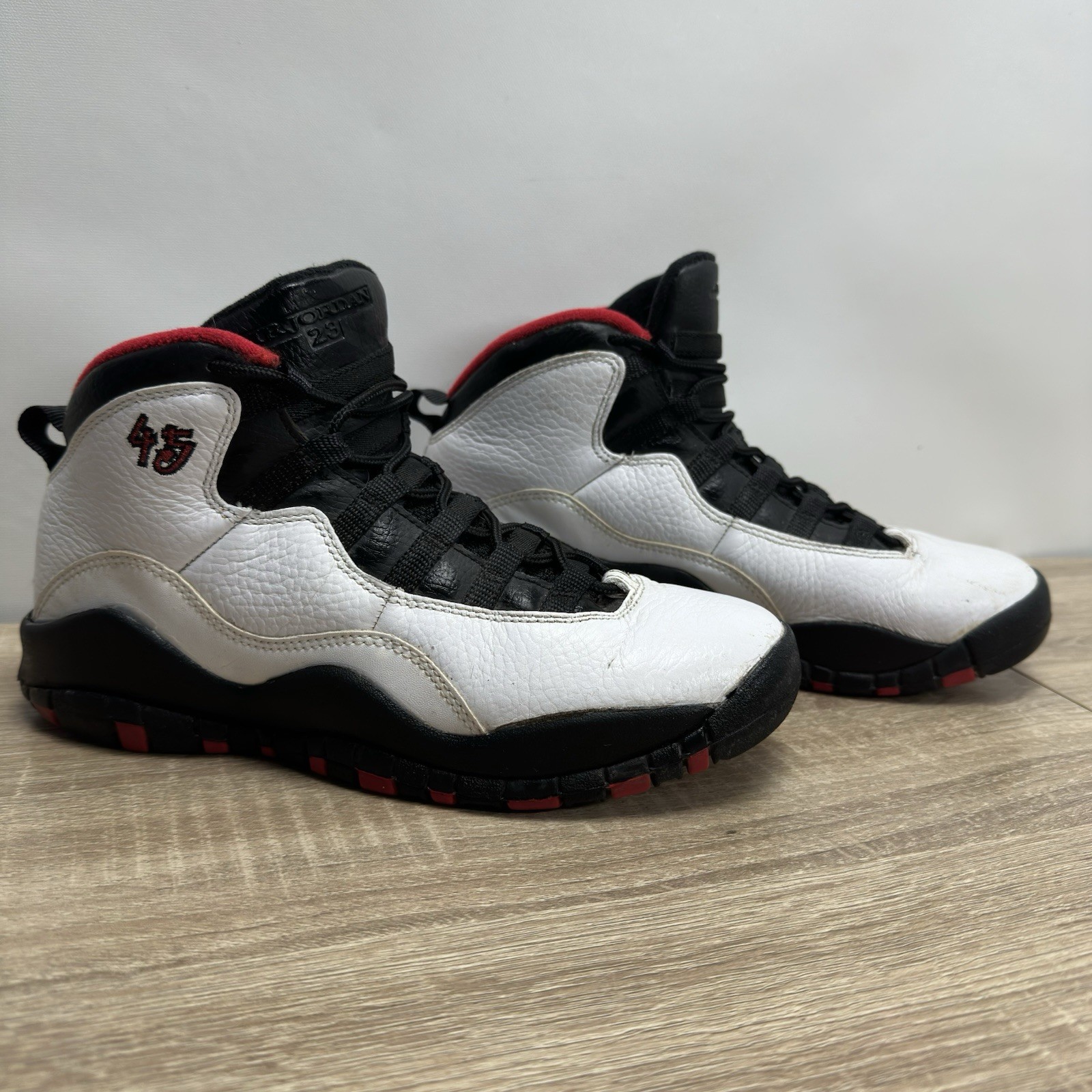
Verification requires close inspection of specific areas. Look for texture consistency across panels; genuine leather shows natural grain variation, whereas synthetics are uniformly smooth. Examine stitching integrity—high-quality materials support tight, consistent stitching patterns. Sellers must provide high-resolution photos of the material itself, not just the shoe profile. Common pitfalls include confusion between genuine nubuck (treated leather) and synthetic suede. Fakes often use overly glossy, uniform synthetic materials to mimic texture. Always cross-reference the stated material against the manufacturer's official product page for that specific release code.
Buying smart
Paying a premium for superior material composition is justified when the shoe is a highly sought-after, limited-edition release where the material is a defining characteristic (e.g., a specific exotic leather treatment). If the material is standard or easily replicated, the premium diminishes. A fair deal involves the material composition matching the advertised tier. If a shoe is advertised as "premium" but the material analysis suggests mid-range synthetics, the asking price should reflect that lower tier, regardless of the hype surrounding the model.
Selling smart
Proving the material composition elevates a listing from a general sale to a verified asset sale. Including a clear, close-up photograph explicitly showing the texture of the primary material (e.g., a macro shot of the leather grain) or explicitly stating "Genuine Italian Calfskin" in the title earns immediate credibility. This detail acts as a quality assurance marker for serious buyers, allowing them to bypass lower-tier listings. This specific proof can secure a 5-15% price increase over listings that only state "Leather Upper" without specifying quality or origin.
On eBay right now
Current asking prices from live listings — not sold-comp medians.




eBay links are affiliate links: JunkPal may earn a commission at no cost to you.