What does “mastering lacquer” mean?
What is Mastering Lacquer?
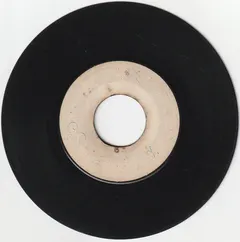
Mastering lacquer refers to the initial, metal-coated substrate used in analog vinyl mastering; it is not the final record, but the master copy from which the stamper (the mold for the vinyl) is created. This lacquer disc holds the definitive, approved audio signal—the sonic blueprint—after the mixing stage. The process involves cutting the audio waveform onto a thin layer of lacquer, which is subsequently replicated into a metal stamp for mass production. For the serious collector, the lacquer itself is a tangible piece of music production history, representing the final analog touchpoint before the music becomes a consumer record. Understanding the difference between a lacquer and a test pressing is crucial; the lacquer is the *master*, while a test pressing is a vinyl proof run.
Impact on Resale Value
The presence of a documented, high-quality mastering lacquer can act as a significant multiplier on resale value. If a lacquer disc is verified as original to a highly sought-after pressing, it can command 3x to 8x the price of a standard, well-preserved vinyl copy. Price escalation is heavily driven by provenance: the involvement of legendary mastering engineers (e.g., Bernie Grundman) or the use of specialized, high-fidelity cutting lathes dramatically increases desirability. Conversely, any visible damage—scratches, handling marks, or evidence of poor cutting technique—will severely depress value. For example, a pristine lacquer from a highly influential, limited-run session might sell for several thousand dollars, whereas a damaged one might only fetch a few hundred.
How to Identify and Verify
Lacquer discs are physically distinct from standard vinyl records. They are typically black, possess a specific coating finish (glossy or matte), and are usually sold without standard record labels or jackets. They are often accompanied by protective sleeves or small, dated studio labels. When inspecting an item, sellers must provide high-resolution photos showing the entire surface, including the spindle hole area, to check for deep wear. Always verify the item's context; if you are looking into the history of a specific pressing, check our guide on [Vinyl Pressing History] for context. Be wary of confusion between a lacquer and a test pressing.
Buying and Selling Strategy
Buying Smart: Paying a premium for a mastering lacquer is only justifiable when the associated music or artist is highly sought after, or when the lacquer is documented from a historically significant mastering session. If the lacquer is from an obscure release, the premium is likely unwarranted. A fair deal requires verifiable documentation linking the lacquer to a specific, high-profile release.
Selling Smart: To maximize return, the listing must explicitly state it is a "Mastering Lacquer Disc," not a vinyl record. The most valuable element is photographic proof of origin—ideally, a photo next to original mastering paperwork. Using terms like "Master Cut" backed by provenance shifts the item from audio equipment to music production history, commanding the highest tier of collector pricing. For more on the technical aspects of audio preservation, review our guide on [Analog Audio Preservation].
FAQ
What is the difference between a lacquer and a vinyl test pressing?
A lacquer is the initial, metal-coated master disc that holds the final audio signal before stamping. A test pressing is a vinyl record cut from the stamper, used to check the final vinyl product before mass production.
Why are mastering lacquers so expensive?
Their high value stems from their rarity, their direct link to the music's final, pristine analog state, and the prestige associated with the mastering engineer who cut them.
Can I use a lacquer disc to play music?
No. Lacquer discs are not designed for playback; they are the production tool used to create the vinyl stamper. Attempting to play them risks severe damage to the surface.
Related on JunkPal
On eBay right now
Current asking prices from live listings — not sold-comp medians.


eBay links are affiliate links: JunkPal may earn a commission at no cost to you.
Resale values related to mastering lacquer
Shop mastering lacquer on eBay ↗





JunkPal may earn a commission when you buy through eBay links, at no extra cost to you.
What’s worth the most
Ranked on medians of real closed eBay sales, not asking prices.