What does “variant color” mean?
What it means
Variant color refers to a specific, non-standard vinyl coloration of a record pressing. This differs from the original or most common release color, which is typically black. Pressing plants introduce colorants or use different vinyl compounds, resulting in unique shades such as marbled blue, translucent green, or splatter patterns. In the collecting niche, this is not merely an aesthetic choice; it is a marker of a specific production run. The mainstream equivalent is "colored vinyl," but "variant color" implies a deliberate deviation from the standard release, often signaling a limited or special edition.
What it does to price
Variant colors introduce a significant, non-linear premium. A standard black vinyl copy might sell for $X. A variant color copy, depending on its rarity, can fetch 1.5x to 5x that price, especially if the color was only pressed in small quantities. The multiplier is directly tied to documented scarcity. A common, widely distributed color (e.g., a standard red pressing released widely) might only command a 1.2x premium. Conversely, a unique, unreleased color run (e.g., a translucent, one-off shade) can see multipliers exceeding 5x. A realistic example: a standard pressing of a popular album sells for $30; the same album in a documented, limited-run clear blue variant might sell for $50 to $75.
How to spot it
Identification relies on physical inspection and documentation. The most reliable tell is comparing the pressing to known release photos or database entries. Look for specific manufacturing codes or matrix numbers on the runout groove that correspond to the colored variant. Some pressings have subtle differences in the vinyl weight or the color saturation that can be visible under direct light. Sellers must provide high-resolution, well-lit photos showing the vinyl surface from multiple angles, including close-ups of the label and the runout groove. Common mistakes include simple surface scratches or light discoloration from age, which are *not* variant colors. A genuine variant color is an intentional, factory-applied hue.
Buying smart
Paying a premium for a variant color is justifiable when the color is documented as a limited pressing, has low known circulation, and the pressing quality (sound quality, vinyl condition) is high. If the color is common or the scarcity claim is unsubstantiated, the premium is likely inflated. A fair deal involves a price that reflects the documented rarity, not just the aesthetic appeal. If a seller claims a "rare variant" but cannot provide verifiable proof of limited pressing, the purchase should be treated as a standard colored vinyl, not a high-tier collectible.
Selling smart
To maximize return, the listing must unequivocally prove the color is a variant. Do not simply state the color; state the *type* of variant. The single most effective element in a listing is a clear, high-resolution photograph of the vinyl surface *and* the matrix/runout groove showing any unique identifiers associated with that color run. Using terminology like "Limited Edition Variant Color Pressing" immediately signals higher value to informed buyers, justifying a higher asking price above standard colored vinyl listings.
On eBay right now
Current asking prices from live listings — not sold-comp medians.


eBay links are affiliate links: JunkPal may earn a commission at no cost to you.
Resale values related to variant color
Shop variant color on eBay ↗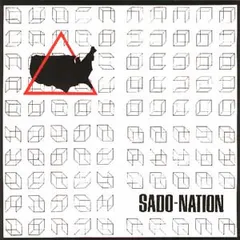
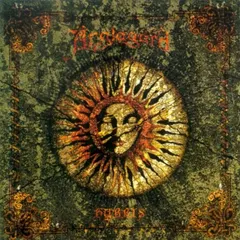


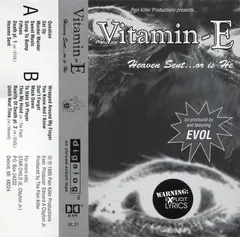
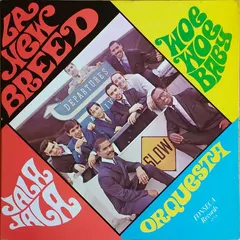


JunkPal may earn a commission when you buy through eBay links, at no extra cost to you.
What’s worth the most
Ranked on medians of real closed eBay sales, not asking prices.