What does “marketplace” mean?
What it means
In sneaker collecting, a marketplace is the specific venue—online or physical—where the transaction occurs. This includes dedicated resale platforms (e.g., StockX, GOAT), social media groups (e.g., dedicated Facebook groups), and physical events (e.g., sneaker conventions). It is the meeting point for supply and demand. The term is not interchangeable with "retailer"; a marketplace is a platform facilitating peer-to-peer or small-scale business exchange, distinct from official brand stores. The marketplace dictates the transactional ecosystem: its rules, its audience, and its associated costs.
What it does to price
The marketplace directly influences the final sale price through its perceived risk and traffic volume. High-trust, established marketplaces (e.g., those with integrated authentication) command a price premium because they absorb authentication risk for the buyer. A listing on a highly reputable, authenticated marketplace can achieve a 10-20% price uplift over an equivalent listing on a less regulated social media group, assuming comparable condition. Conversely, selling on a low-traffic, niche forum might require a 15-25% discount to ensure a timely sale. For example, a pair of sought-after retro Jordans might sell for $1,200 on a major verified platform but only $950 on a private, unverified forum.
How to spot it
Spotting the marketplace involves examining the listing environment itself. Look for integrated verification badges or escrow systems; these indicate a high-trust marketplace. On social media, the tells are often the seller’s history, the quality of their photography (poor lighting, blurry shots suggest low-effort sellers), and the lack of standardized sizing information. Common issues include sellers listing "deadstock" when the box shows minor shelf wear, or listing regional exclusives without noting the specific release market (e.g., US vs. EU). Always verify if the platform mandates condition grading.
Buying smart
Paying a premium for a marketplace transaction is justified when the item carries high resale value or when the buyer requires absolute authentication assurance. If the sneaker is a rare, high-demand grail piece, the added fee for platform verification is an insurance premium against counterfeits. It is not worth the premium for common, low-value releases where the market price difference between platforms is negligible. A fair deal involves the final asking price, after factoring in platform fees and shipping costs, being within 5-10% of the established average selling price for that specific model on that specific platform.
Selling smart
Proving the item's provenance and condition within the listing is the primary driver of premium pricing. High-resolution, multi-angle photography showing the box condition, original tags, and any unique serial number markings elevates perceived value. The single most effective word or phrase in a listing description is "Authenticated" or "Verified," provided the seller has documentation or the item has passed a third-party check. Including a clear statement regarding the item's specific condition (e.g., "Deadstock, unworn, original box") justifies the highest tier pricing available on any marketplace.
On eBay right now
Current asking prices from live listings — not sold-comp medians.


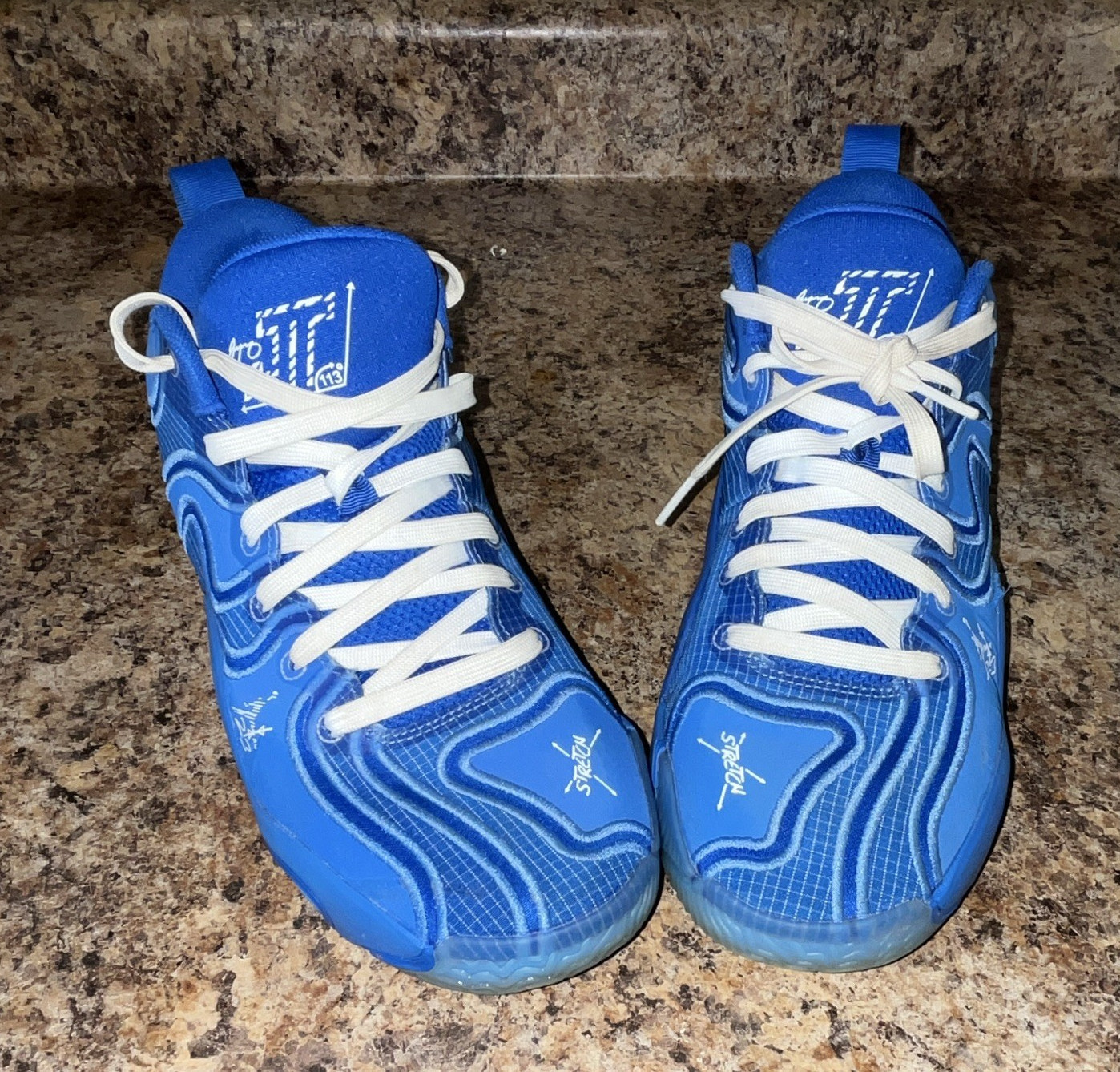


eBay links are affiliate links: JunkPal may earn a commission at no cost to you.