What does “market floor” mean?
What it means
Market floor is the established lowest sustainable price for a specific sneaker model and condition within the active resale market. It is not the lowest asking price; it is the price at which the item is demonstrably selling repeatedly across multiple reputable platforms. This figure represents the baseline transactional value. For a general audience, this is the minimum going rate. For resellers, it is the cost-of-entry point. If an item trades consistently above this floor, it indicates demand or scarcity. If it trades near or below, it suggests market saturation or devaluation.
What it does to price
The market floor acts as the absolute price anchor. Prices above the floor are driven by condition, scarcity, and hype. A shoe selling at the floor might be a standard, well-worn pair. A near-deadstock version of the same shoe could fetch 2x to 5x the floor price, depending on the model’s rarity. Conversely, if a shoe is listed significantly below the floor (e.g., 30% less), it signals either a severe mispricing error by the seller or a significant defect not disclosed. For example, if the market floor for a specific retro release is $150, a listing at $75 is likely a trap or a damaged unit.
How to spot it
Spotting the market floor requires data aggregation, not single-listing observation. Check completed sales listings on major platforms, filtering by the specific SKU and condition (e.g., "deadstock," "used"). Look for consistency across at least five to ten recent transactions. Physical tells that affect the floor include box condition (a damaged box can drop the floor by 10-15%), and authenticity markers. For high-demand models, inspecting the stitching quality and material texture under magnification is necessary to differentiate genuine items from low-tier counterfeits, which will never approach the established floor price.
Buying smart
Paying a premium above the floor is justified when the item possesses verifiable scarcity or premium condition. A shoe priced at 1.5x the floor is a reasonable purchase if it is confirmed deadstock and comes with all original packaging. Paying significantly more (e.g., 3x the floor) requires proof of extreme rarity, such as a limited-run colorway or a verified collaboration piece. Buying at or just above the floor is the standard, low-risk acquisition strategy for inventory building. Buying significantly below the floor requires extreme caution; the discount must reflect a known, acceptable flaw.
Selling smart
To command a price above the market floor, the listing must eliminate ambiguity regarding condition and provenance. The single most effective element is high-resolution, well-lit photography showing the entire shoe, including the sole, inner lining, and any box damage. The word "Deadstock" or "DS" in the title, backed by photographic proof, immediately moves the item from the floor price bracket into the premium tier. Buyers pay a premium for certainty; documentation removes the risk associated with buying near the floor.
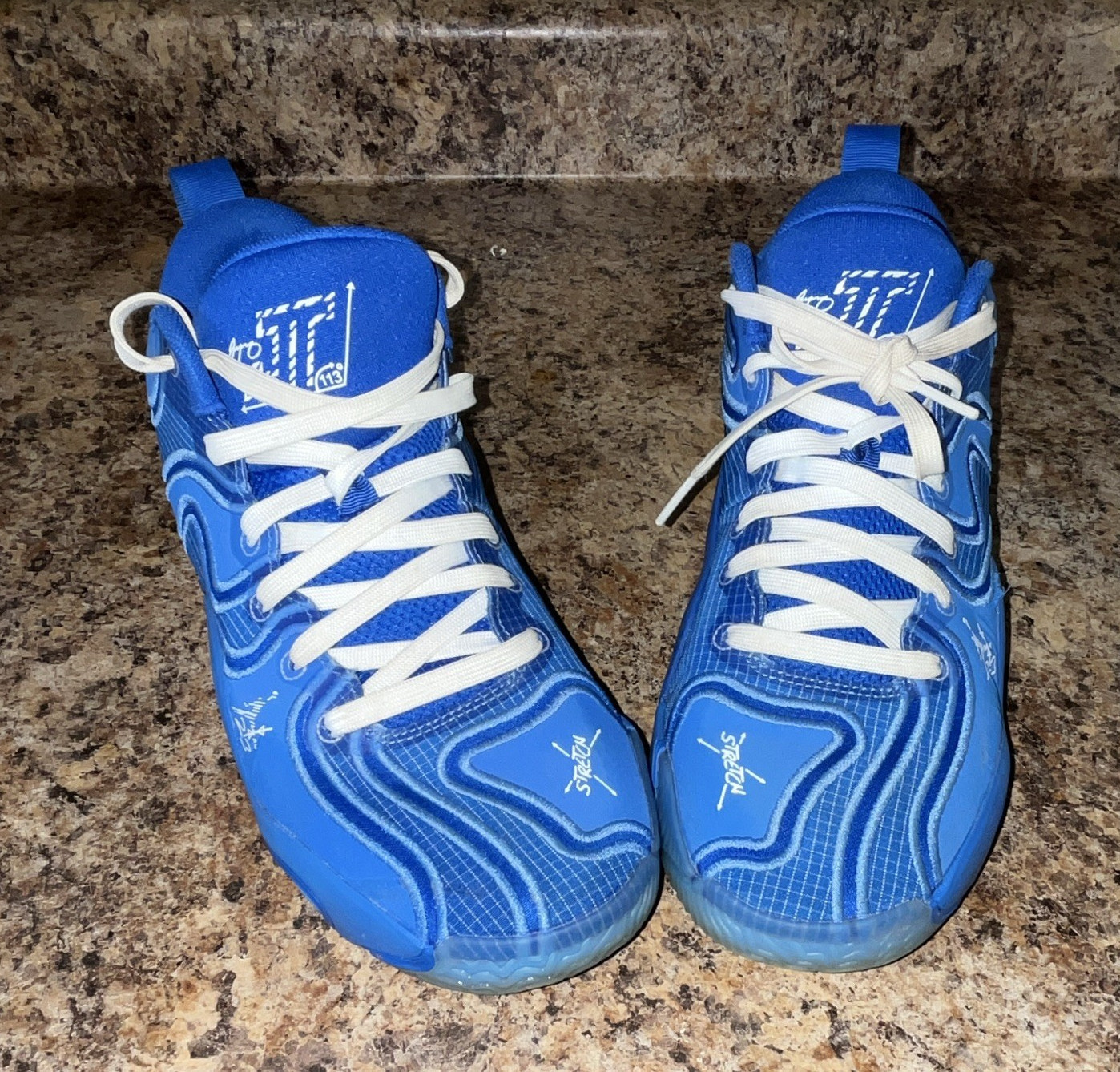
On eBay right now
Current asking prices from live listings — not sold-comp medians.



eBay links are affiliate links: JunkPal may earn a commission at no cost to you.