What does “limited run drop” mean?
What it means
A limited run drop is a sneaker release where the manufacturer deliberately restricts the production quantity. This is not merely a small production run; it is a calculated scarcity event designed to drive immediate demand. The mainstream equivalent is a limited edition release. These drops are often tied to specific collaborations, special colorways, or anniversary dates. The core concept is artificial scarcity, meaning the available supply is intentionally kept low relative to the anticipated consumer desire.
What it does to price
Scarcity directly inflates resale value. A general rule of thumb is that a highly sought-after, authenticated limited run pair can command a 1.5x to 5x multiplier over the original retail price (MSRP). Factors pushing prices up include rarity (e.g., numbered editions) and cultural relevance (e.g., a high-profile celebrity collaboration). Factors pushing prices down include poor condition or low initial hype. For example, a hyped, limited-run sneaker originally retailing for \$200 might easily sell for \$500–\$800 depending on market velocity.
How to spot it
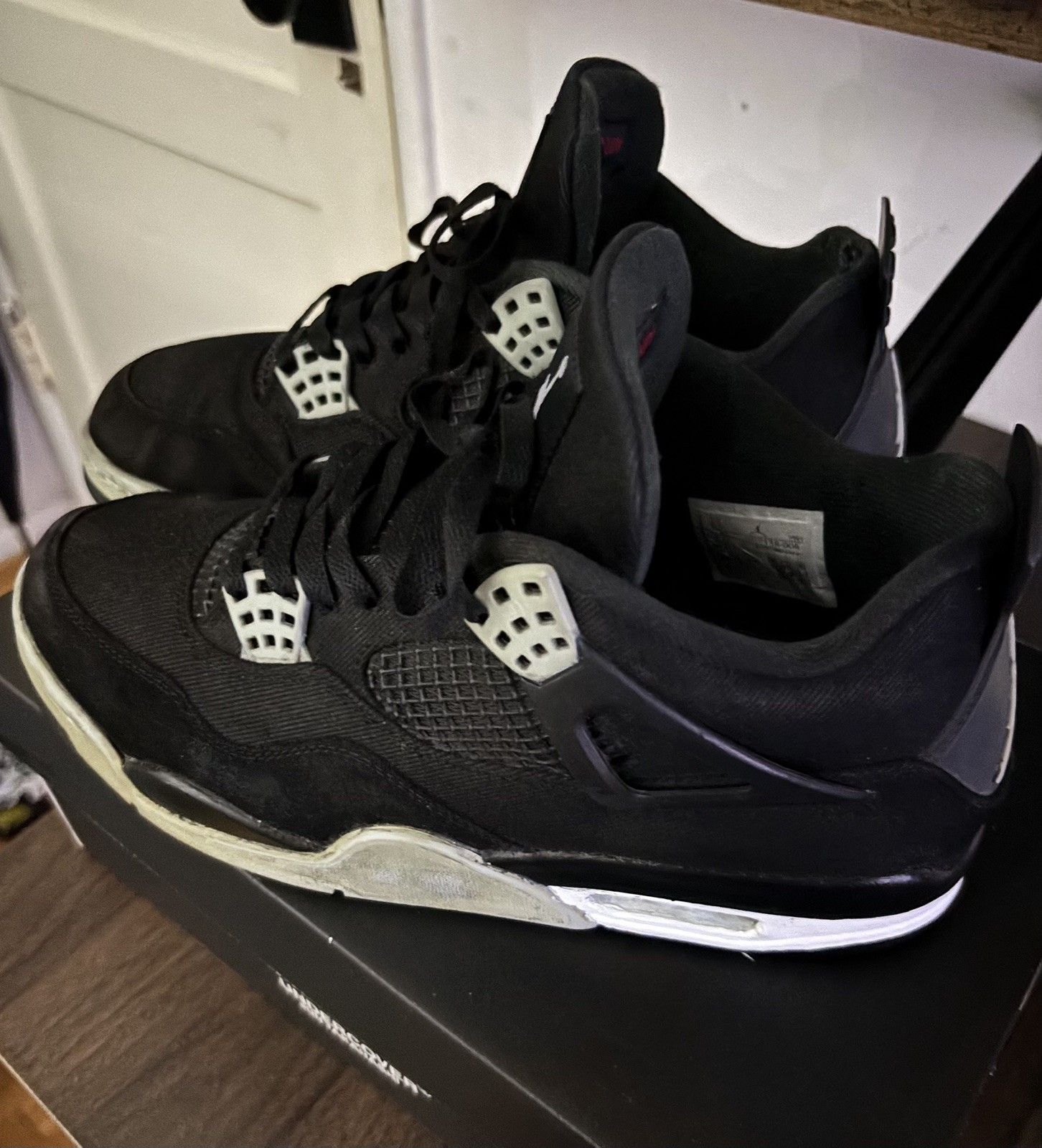
Verification relies on specific identifiers. Look for edition numbers printed on the box or shoe tongue (e.g., "Edition 001/500"). Collaboration details are usually clearly stated on the product tag or official press releases. When buying from private sellers, request high-resolution photos of the outsole, the internal tags, and the box serial number. Common fakes mimic the external design but often fail on internal material quality or font consistency on the size tags. Honest mistakes usually involve sellers mislabeling a standard release as a limited one.
Buying smart
Paying a premium is justifiable when the sneaker has proven, sustained cultural relevance and the resale market is active. If the hype is purely transient or the shoe is obscure, the premium may not hold. A fair deal involves comparing the current asking price against recent, verified sales data on major resale platforms, not just the initial retail price. If the asking price exceeds 2.5x MSRP without a clear, documented reason for extreme scarcity (like a numbered piece), caution is warranted.
Selling smart
Proving authenticity and scarcity in a listing is paramount to maximizing returns. Buyers pay more for certainty. The single most effective element in a listing is a clear, close-up photograph of the edition number or any unique, verifiable tag that confirms the limited status. Using the exact terminology, such as "Authenticated Limited Run Drop," immediately signals value to knowledgeable buyers, allowing the seller to command the top tier of the market price.
On eBay right now
Current asking prices from live listings — not sold-comp medians.




eBay links are affiliate links: JunkPal may earn a commission at no cost to you.