What does “limited release” mean?
What it means
A limited release sneaker is a specific model or colorway intentionally manufactured in a significantly reduced quantity compared to the general retail volume. This scarcity is engineered through specific constraints: collaborations with other brands, tie-ins to cultural events, or designated small-batch production runs. The core concept is artificial scarcity. For the collector or reseller, this rarity is the direct mechanism driving market value. The mainstream equivalent is a "special edition," but in the sneaker market, "limited release" implies a measurable, finite cap on supply.
What it does to price
Scarcity translates directly into price premiums. A standard retail shoe might sell for $150. A highly sought-after limited release version, depending on the hype level, can easily command 3x to 10x the retail price on the resale market. A CIB (Complete In Box) example of a mid-tier limited release might fetch 2.5x the retail cost. Price inflation is accelerated by secondary market hype. Factors pushing the price up include verified provenance (proof of purchase) and low current supply. Factors pulling it down include high levels of known counterfeits or poor condition (e.g., scuffs, deadstock box damage).
How to spot it
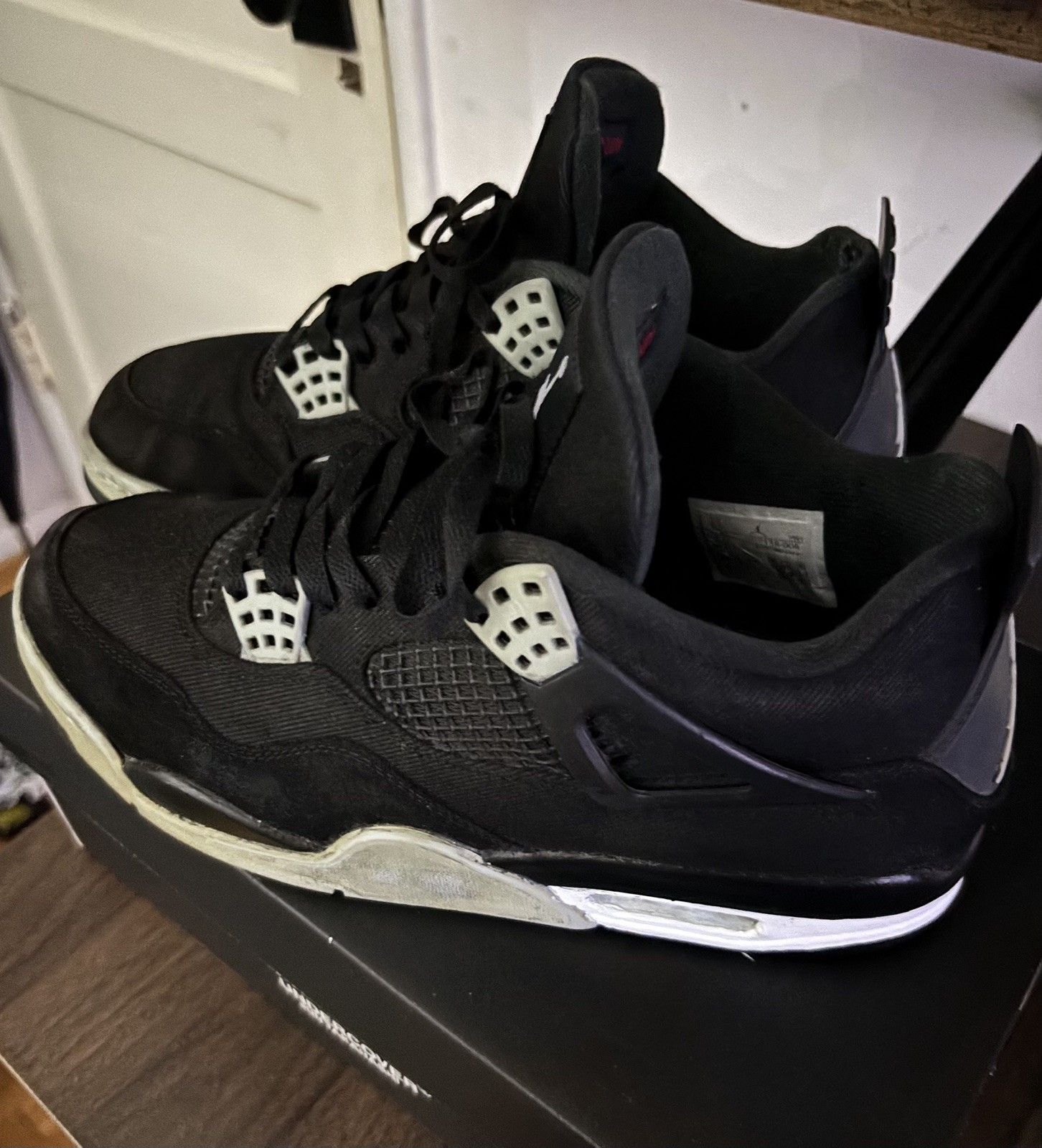
Identification relies on documentation and physical markers. Check the product listing for specific edition numbers, collaboration tags, or unique material callouts that differentiate it from the mainline release. Photos must show the box and any accompanying inserts; these often contain specific SKU codes or event logos. Common pitfalls include "grey market" releases that were technically limited but sold through massive, non-official channels, which can dilute scarcity. Buyers should request high-resolution photos of the tongue tag and outsole markings to verify authenticity against known reference images.
Buying smart
Paying a premium is justified when the shoe has proven, sustained cultural relevance or a verifiable, small production run. If the shoe is a one-off collaboration with a major, reputable entity, the premium is usually warranted. It is not worth the premium if the hype is purely transient or if the shoe is simply a colorway variation of a widely available model. A fair deal is when the asking price is within 1.5x to 3x the established secondary market average for that specific model, not based on the original retail price alone.
Selling smart
Proving the shoe’s limited status elevates the sale price. Listings must explicitly state the nature of the release (e.g., "OG Collaboration Run," "Event Exclusive"). The single most valuable element in a listing is photographic evidence of the packaging, specifically the edition sticker or any unique hangtag. A clear photo of the box confirming the specific release code, rather than just the shoe itself, is the visual proof that commands the highest premium from serious collectors.
On eBay right now
Current asking prices from live listings — not sold-comp medians.




eBay links are affiliate links: JunkPal may earn a commission at no cost to you.