What does “lifestyle” mean?
What it means
"Lifestyle" sneakers are athletic or casual footwear marketed for daily wear, not specialized athletic performance. The term is a broad category encompassing fashion-forward sneakers that draw inspiration from athletic design, often featuring retro aesthetics or modern streetwear collaborations. This is distinct from "performance" footwear, which is engineered for specific tasks like marathon running or court sports. For collectors, "lifestyle" is a catch-all; it includes everything from vintage runners (e.g., early New Balance models) to modern hype releases (e.g., Nike collaborations). The designation itself carries no inherent value; value is determined by the specific model, its scarcity, and cultural relevance.
What it does to price
The "lifestyle" label alone does not dictate price. Value is driven by scarcity and desirability. A generic, mass-market lifestyle sneaker might hold a resale value near retail price (1x). However, a highly sought-after, limited-edition lifestyle silhouette—like a specific collaboration—can command multipliers of 5x to 15x retail, depending on demand. Conversely, a popular but widely available model might depreciate quickly. For example, a standard, non-collaborative retro runner might sell for $100 used, while a limited-run colorway of the same silhouette could fetch $700+ used. Condition (Deadstock/DS) is a major price driver, often adding 30-50% over a used pair.
How to spot it
Identifying a lifestyle shoe requires looking beyond the silhouette. Key tells include specific material pairings (e.g., premium suede mixed with technical mesh), unique color blocking not found in standard releases, and co-branding elements. For authenticating, examine stitching consistency, sole material density, and internal tags. Common mistakes involve mistaking a highly stylized performance shoe (like a modern trail runner) for a lifestyle piece. Fakes often fail in material texture replication or feature misaligned logos on the heel tab. Always request high-resolution photos of the outsole tread pattern and the box/receipt for verification.
Buying smart
Paying a premium for a lifestyle sneaker is justifiable only when the shoe possesses verifiable scarcity or significant cultural cachet. If the shoe is a mass-market staple, the premium should be minimal, ideally less than 1.2x retail, unless the condition is perfect. A fair deal involves research: if the model has no documented hype or limited release status, the asking price should remain close to the original retail cost. If the shoe is a known grail or collaboration, the premium is expected, but excessive markups (e.g., 3x retail on a non-verified drop) signal potential overvaluation or market manipulation.
Selling smart
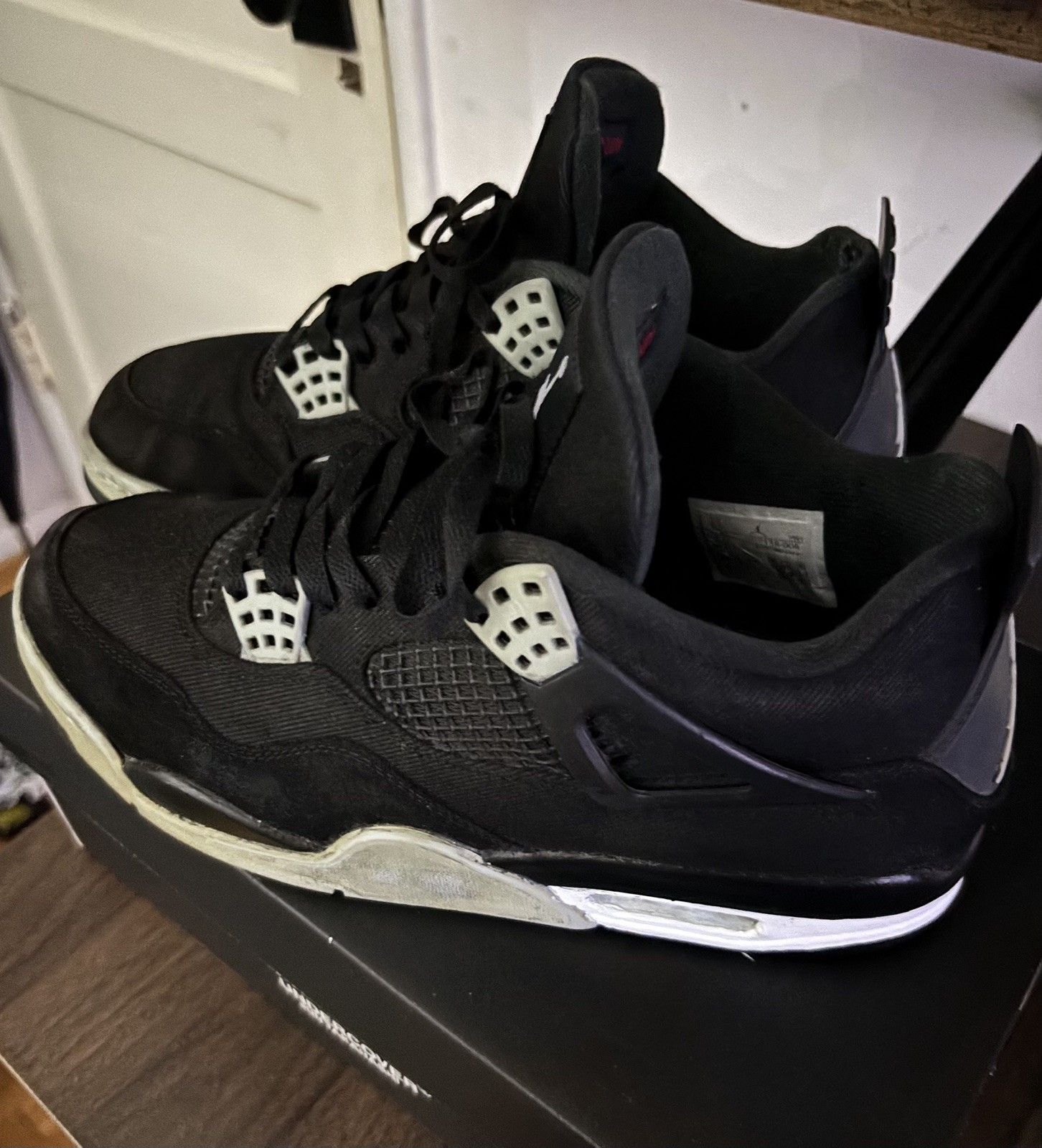
To maximize sale price, the listing must immediately categorize the shoe beyond "lifestyle." Use precise model names, edition numbers, and collaboration tags. The single most valuable element in a listing is photographic proof of authenticity and condition. A clear, well-lit photo showing the original packaging (box and tissue) and the size/style tag inside the shoe instantly signals legitimacy and completeness. Stating "Deadstock" or "DS" is a powerful word; it warrants a price increase of 15-25% over a "Used" listing because it guarantees the item has never been worn.
On eBay right now
Current asking prices from live listings — not sold-comp medians.




eBay links are affiliate links: JunkPal may earn a commission at no cost to you.