What does “lacing style” mean?
What it means
Lacing style is the specific pattern used to thread the laces through the eyelets of a sneaker. This is the method of tying, not the type of lace material. Standard lacing is the default crisscross pattern. Variations include straight lacing (laces run vertically or horizontally without crossing), diamond lacing, or specific proprietary patterns unique to certain brand lines or limited editions. For collectors, the lacing style is a verification point for originality. A deviation from the factory-intended pattern signals either a deliberate customization (mod) or a manufacturing error.
What it does to price
Factory-correct lacing commands a premium, especially on vintage or highly sought-after releases. A shoe with a documented, original lacing pattern maintains its baseline value; an altered pattern can reduce value by 10-25% unless the modification is recognized and valued as a specific, desirable mod. For example, a pair of rare retro runners with an incorrect lacing pattern might sell for $50 less than the identical pair with the factory pattern. Conversely, a rare, intentionally designed lacing pattern (e.g., a specific 'speed-lacing' technique on a performance model) can add 15-30% to the price if documented.
How to spot it
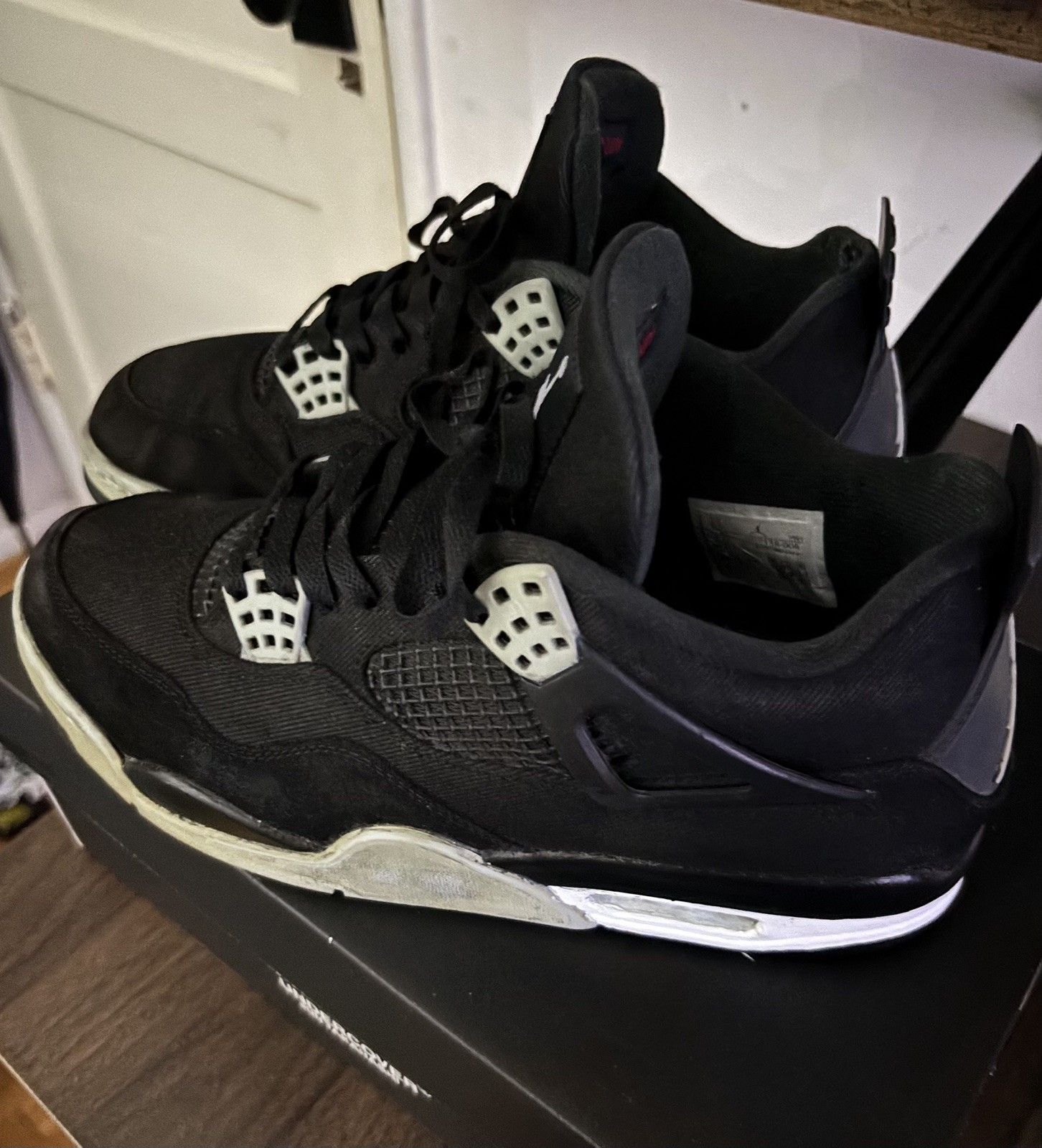
The exact pattern is visible in high-resolution close-ups of the tongue and eyelets. Sellers must provide clear, focused photos of the lacing area. Common tells include: 1. Straight Lacing: Laces run parallel up the shoe without crossing over. 2. Crisscross: The standard diagonal crossing pattern. 3. Mistakes: A single lace thread being misplaced or tied incorrectly is an honest mistake, often leading to a minor discount. Fakes sometimes use incorrect lace hole placements, which affects the possible lacing patterns. Always compare the seller’s photos against known reference images of the specific SKU.
Buying smart
Paying a premium for lacing style is justified only when the style is a documented feature of the shoe's original release or a highly recognized, desirable aftermarket modification. Do not pay extra for a "custom" lacing style unless the seller can prove the pattern is part of a recognized, high-end customization line. If the shoe is meant to be stock, the lacing must match the reference photos perfectly. If the difference is minor (e.g., a slightly looser tie), the cost difference is negligible.
Selling smart
To maximize value, the listing must explicitly state the lacing style (e.g., "Factory Standard Crisscross" or "Custom Straight Lace"). If the lacing is original and rare, use specific terminology to attract knowledgeable buyers. The single most valuable photo is a macro shot focusing solely on the eyelets and the lace threading. If the shoe is modified, label it clearly as "Modified/Custom Lacing" to avoid disputes and target the correct buyer demographic.
On eBay right now
Current asking prices from live listings — not sold-comp medians.




eBay links are affiliate links: JunkPal may earn a commission at no cost to you.