What does “knit” mean?
What it means
"Knit" refers to the textile construction of the sneaker upper. Instead of traditional panels of leather, suede, or heat-welded synthetics, the upper is formed by interlocking loops of yarn, similar to a sweater. This is often referred to as engineered mesh or knitted textile. The mainstream equivalent is simply a "mesh" or "woven" upper. In the collecting niche, knit construction signals a specific design era—typically post-2010—and often correlates with performance-driven or minimalist aesthetic models. It defines the material science of the shoe, not just the visual appearance.
What it does to price
Knit construction itself is a baseline feature, not a direct price multiplier. The material dictates the *type* of shoe, which then determines the value. A highly sought-after, limited-edition knit runner (e.g., Yeezy 350 V2) can command 3x to 8x the price of a standard leather counterpart from the same silhouette. Conversely, a mass-market, low-profile knit lifestyle shoe will trade at a lower margin. Damage to the knit—pilling, loss of elasticity, or visible snags—can cause an immediate 20-40% devaluation. A pristine knit upper justifies the premium associated with the model.
How to spot it
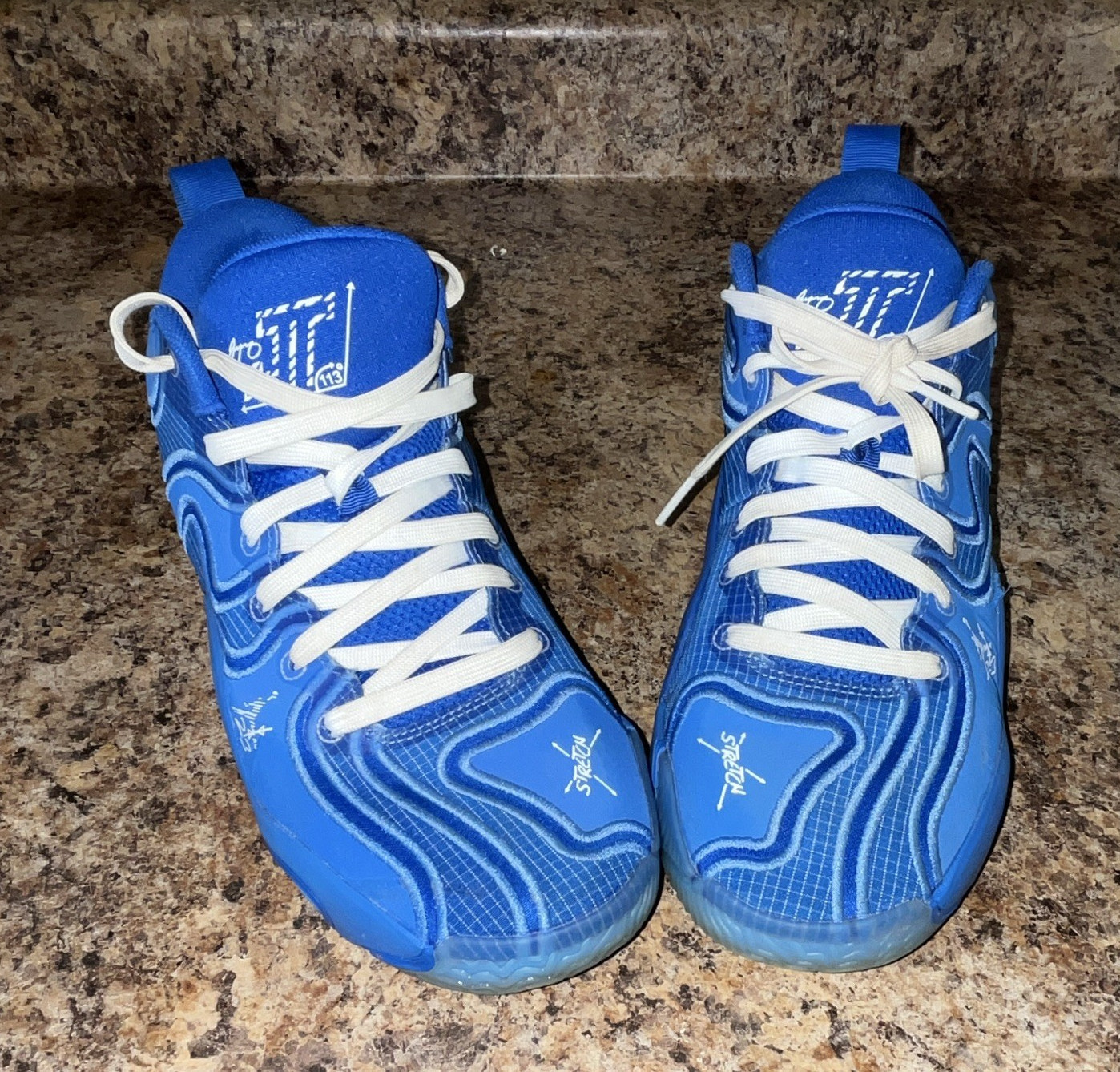
The tell is the texture: the surface should appear continuous and uniform, lacking distinct stitched overlays. High-quality knit construction exhibits consistent gauge (thread thickness) across the entire upper. Sellers must provide close-up macro shots of the toe box and midfoot. Look for evidence of "knit bleed" or fuzziness, which indicates wear or poor material quality. A common error in fakes is using a printed mesh pattern that mimics knit texture rather than actual looped yarn structure. Inspecting the tongue area is key; genuine knit tongues integrate seamlessly with the upper structure.
Buying smart
Paying a premium for a knit shoe is justified when the specific model is highly coveted, limited in release, or represents a significant design milestone for the brand (e.g., a groundbreaking performance release). It is not worth the premium for a generic, readily available knit lifestyle shoe unless the colorway is rare. A fair deal involves the asking price reflecting the shoe's scarcity *and* the condition of the knit. If the knit shows signs of compression or stretching in the heel area, the price should drop by at least 15% from the listed "deadstock" value.
Selling smart
To maximize return, the listing must explicitly state the condition of the knit. Use terms like "Pristine Knit Integrity" or "No Pilling/Snags." The single most valuable asset in a listing is a high-resolution, well-lit photograph taken directly on the upper material, zoomed in to 200% magnification, showing the consistent loop structure. This photo proves the material quality, allowing the seller to command the top-tier collector price rather than settling for a lower, condition-based discount.
On eBay right now
Current asking prices from live listings — not sold-comp medians.




eBay links are affiliate links: JunkPal may earn a commission at no cost to you.