What does “in-demand” mean?
What it means
"In-demand" in the sneaker market refers to a specific model or colorway experiencing disproportionately high consumer desire relative to available supply on the secondary market. It is a measurable scarcity driven by external factors—limited releases, cultural saturation, or hype cycles. The mainstream equivalent is "high desirability." This status is not permanent; demand ebbs and flows based on market saturation and trend cycles. A sneaker moves from "in-demand" to "standard" when the supply meets or exceeds the current level of interest.
What it does to price
In-demand status translates directly into a significant premium over retail (MSRP). For a highly coveted, authenticated pair, the resale price can range from 2x to 10x MSRP, depending on the level of hype and scarcity. Minor deviations can drastically alter value. For example, a standard release might sell for $150 resale, whereas the same model in an "in-demand" colorway could command $600+. Factors pushing the price up include deadstock condition and immediate availability upon release. Factors pulling it down include minor creasing or an unverified authentication status.
How to spot it
Spotting true demand requires looking beyond the general hype. Check for specific release identifiers, such as unique SKU numbers or specific regional codes, as these often denote limited drops. Examine release documentation; a "OG" (Original) or "V1" designation is a strong indicator. Sellers must provide clear, high-resolution photos showing the original box condition, any unique hangtags, and clear shots of the sole markings. Be wary of listings that are too perfect or lack any contextual photos; these often mask counterfeits.
Buying smart
Paying a premium for an in-demand sneaker is justified when the item represents a historically significant drop or is part of a verifiable, extremely limited run (e.g., under 500 units globally). It is not worth the premium if the demand is based solely on temporary social media noise or if the item is available in multiple, non-limited versions. A fair deal involves comparing the asking price against recent, verified sales data for that exact SKU, not just against the retail price. If the asking price is more than 3x the established average resale price, caution is warranted.
Selling smart
To maximize profit, the listing must immediately establish provenance and condition. The single most valuable element in a listing is verifiable authentication—a photo showing the item alongside its original receipt or an official purchase confirmation. Use precise terminology: "Deadstock," "DS," or "New in Box (NIB)." A clear photo of the original packaging, undamaged, immediately validates the premium pricing structure, assuring buyers that the high price reflects legitimate scarcity, not just wishful thinking.
On eBay right now
Current asking prices from live listings — not sold-comp medians.


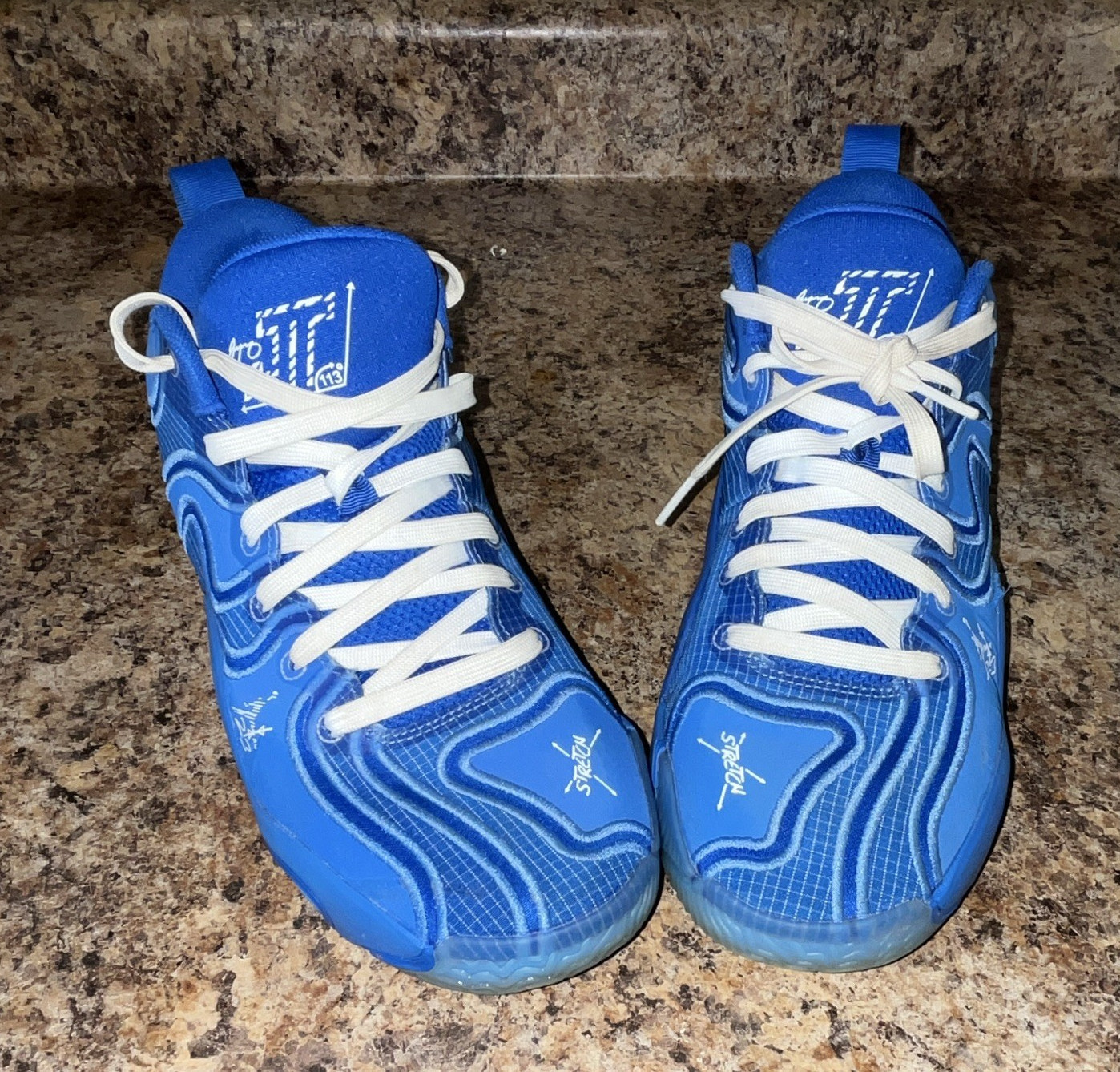


eBay links are affiliate links: JunkPal may earn a commission at no cost to you.