What does “import duty” mean?
What it means
Import duty is a governmental tax applied to goods crossing international borders. In the sneaker collecting context, this is a customs fee assessed by the destination country's government when sneakers are shipped from a foreign country. It is not a price set by the seller or brand. It is a landed cost component. For resellers, this fee is added to the base purchase price, increasing the total capital required to acquire the item. The mainstream equivalent is customs tariff.
What it does to price
Import duty directly inflates the total acquisition cost. If a pair of sneakers costs \$150 USD before duties, and the destination country levies a 20% duty, the initial outlay rises to \$180 before shipping and brokerage fees. This necessitates a higher minimum resale price to maintain target margins. A 10% duty on a \$300 pair adds \$30 to the cost basis. Failure to account for this can result in selling the pair at a loss once all fees are tallied.
How to spot it
Import duty is never visible in the initial listing price from the foreign seller. It is a post-purchase financial liability determined by the destination country's customs agency. The tell is the shipping origin combined with the final delivery invoice. Sellers shipping internationally often use platforms that calculate duties at checkout, but this is not always accurate. Buyers must confirm the seller’s declared shipping method and origin country. If the seller offers "DDP" (Delivered Duty Paid), the duty is included upfront, which is the cleanest scenario.
Buying smart
Paying the premium associated with import duty is worthwhile when the sneaker's market value is high enough to absorb the cost without compromising profit margins. For high-value, limited-edition releases (e.g., \$500+ retail), a 25% duty might still leave a healthy margin. It is not worth paying this premium for low-value, mass-market items where the duty cost might exceed the potential profit. A fair deal includes a transparent breakdown of the item cost, shipping cost, and an estimated or confirmed duty charge.
Selling smart
Listing an item as "Duties Paid" or "Imported" can justify a higher asking price, as the buyer avoids the risk and hassle of customs clearance. If the seller has already absorbed the duty cost, this certainty is a value-add. The single most effective word in a listing description is "Cleared" or "DDP," signaling to the buyer that the item is ready to ship domestically without unexpected fees. This reduces buyer friction and supports a firmer asking price.
On eBay right now
Current asking prices from live listings — not sold-comp medians.


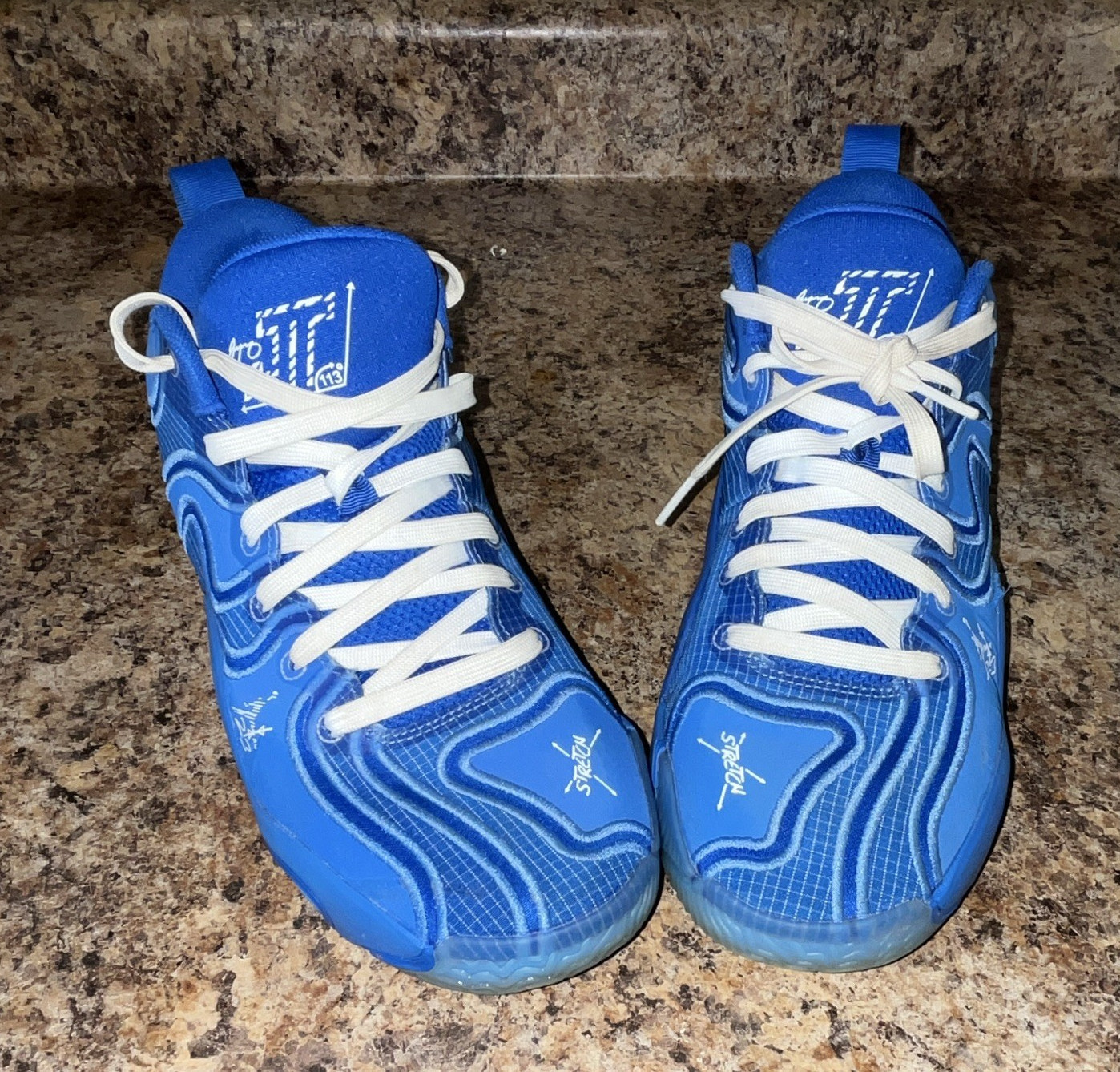


eBay links are affiliate links: JunkPal may earn a commission at no cost to you.