What does “hype train” mean?
What it means
"Hype train" refers to a period of extreme, rapid, and often unsustainable demand for a specific sneaker model or collaboration. It is not merely high demand; it is a frenzy driven by social media visibility, limited initial supply, and collector FOMO. The mainstream equivalent is a "viral product spike." The term signifies that the shoe has transcended its functional value and become a cultural asset whose price is dictated by speculative trading rather than retail cost.
What it does to price
Hype inflates price exponentially. A shoe that retails for \$180 can easily command \$500 to \$1,200+ depending on the tier of hype. The multiplier is highly variable; a mid-tier hyped release might see a 3x to 5x markup immediately upon release, while a "blue-chip" collaboration can exceed 10x. Factors pushing price up include immediate primary market sell-outs and celebrity endorsements. Price dips occur when the initial buzz fades or when supply floods the secondary market, causing a rapid deflation back toward a stable, albeit still elevated, secondary market rate.
How to spot it
Spotting a hype train requires tracking velocity, not just volume. Look for immediate, near-total sell-outs on major retail platforms within minutes of drop time. Key tells include specific, limited edition colorways or collaborative tags (e.g., specific artist signatures, unique material treatments). Sellers pushing hype often use aggressive, high-energy social media language. A common red flag is a seller claiming "guaranteed authentic" without providing high-resolution, unedited photos of the box and tags, which is standard practice for legitimate hype sellers.
Buying smart
Paying a premium is justifiable when the shoe is entering its peak hype cycle and the demand is demonstrably sustained by multiple, high-profile sources, not just one influencer. A fair deal is when the secondary market listing price is within 1.5x of the current prevailing average, not the absolute highest outlier. Avoid buying during the initial, panicked surge if the price exceeds 4x retail unless the shoe is historically proven to maintain value. If the hype is based solely on a single, short-lived event, the risk of immediate price collapse is high.
Selling smart
To maximize profit, the listing must immediately signal provenance and scarcity. The one element that earns the premium is verifiable proof of authenticity and origin—a receipt from the original retailer or a photo of the shoe still in its original, sealed retail box (CIB). Listing the shoe with the specific, limited edition product code prominently displayed helps buyers confirm they are acquiring the correct, highly sought-after variant, justifying the top-tier asking price.
On eBay right now
Current asking prices from live listings — not sold-comp medians.


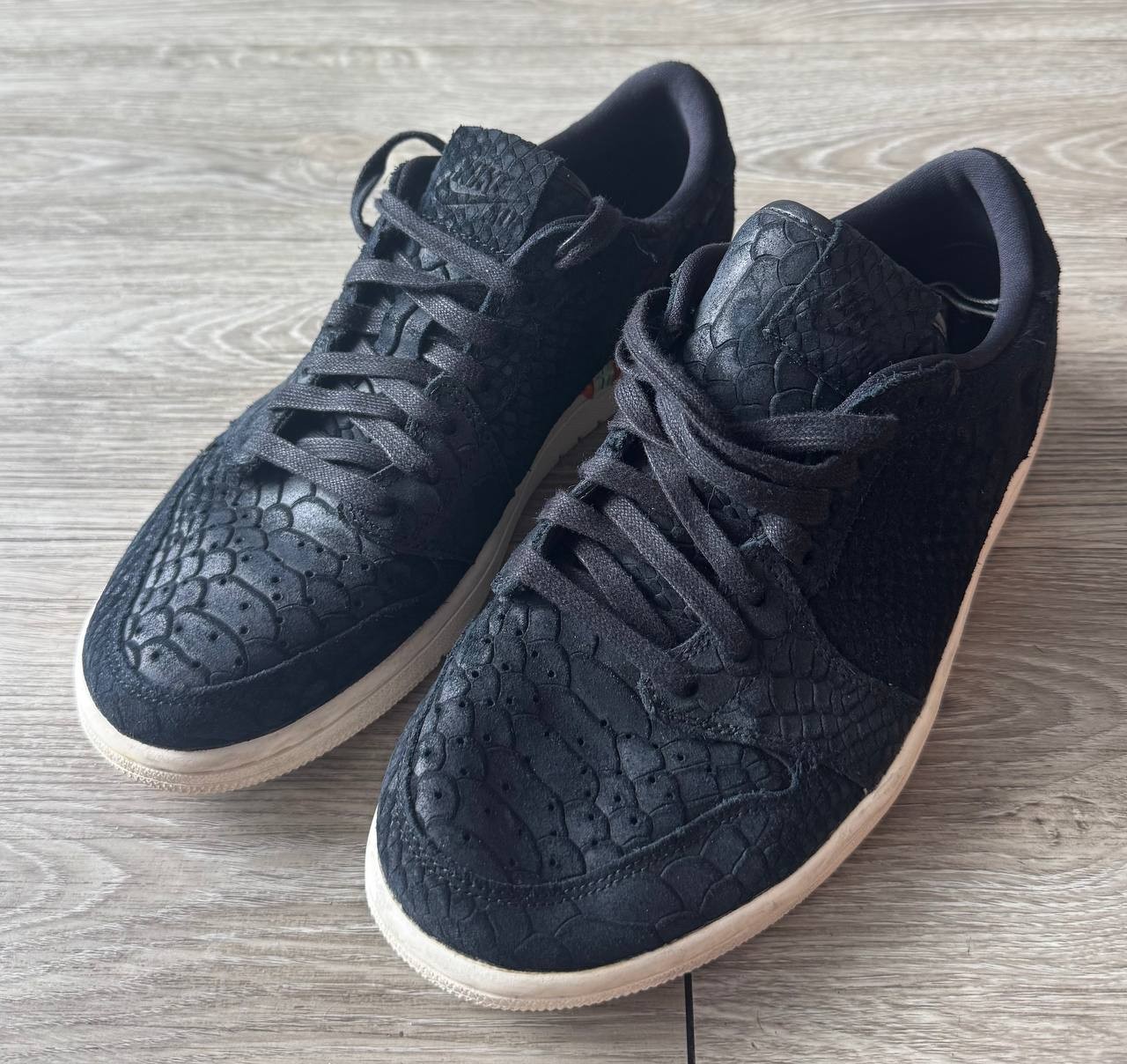



eBay links are affiliate links: JunkPal may earn a commission at no cost to you.