What does “hype” mean?
What it means
Hype in sneakers is the artificially amplified consumer demand for a specific release, often manufactured through marketing, limited distribution, or social media saturation. It is the intense, non-organic excitement surrounding a shoe's availability. Mainstream equivalent: intense public buzz. For resellers, hype is the quantifiable energy driving secondary market value. It is not merely popularity; it is the *intensity* of the desire that creates immediate, speculative buying pressure.
What it does to price
Hype acts as a direct, volatile multiplier on retail price. A shoe with moderate hype might command 1.5x to 3x retail on the secondary market. High-hype, culturally significant drops can exceed 10x retail immediately upon release. Factors pushing price up include scarcity (low stock) and celebrity association. Factors pushing price down are oversaturation (too many pairs hitting the market) or negative press regarding the brand. Example: A hyped collaboration shoe might sell for $800 when retail was $200, but if a major leak reveals the production run was massive, the price can drop back to $350 quickly.
How to spot it
Spotting hype requires analyzing the narrative surrounding the drop. Look for coordinated social media campaigns, immediate sell-outs across all known retail channels, and rapid listing creation on resale platforms within minutes of the release time. Genuine hype is supported by verifiable scarcity. Red flags include overly aggressive marketing from unofficial sources or inconsistent imagery. Common pitfalls involve mistaking sustained popularity for manufactured hype; a shoe that remains consistently popular but lacks a "drop" event has stable demand, not speculative hype.
Buying smart
Paying a premium based on hype is justifiable only when the shoe possesses undeniable cultural longevity or extreme, verifiable scarcity. If the hype is purely fleeting—a single viral moment—the risk of immediate price collapse is high. A fair deal means the aftermarket price is justifiable against the perceived cultural weight of the item, not just the current frenzy. If the markup is solely based on "it's trending," the risk outweighs the potential return.
Selling smart
Proving the item's provenance and condition solidifies the hype premium. Buyers pay more for certainty. The single most valuable asset in a listing is documentation of authenticity, such as a photo showing the original box, tags, or receipt from a verified retailer. Stating "Deadstock" or "OG" (Original/First Release) without qualification is insufficient; the premium is earned by providing evidence that the item is untouched and legitimate within the hype cycle.
On eBay right now
Current asking prices from live listings — not sold-comp medians.


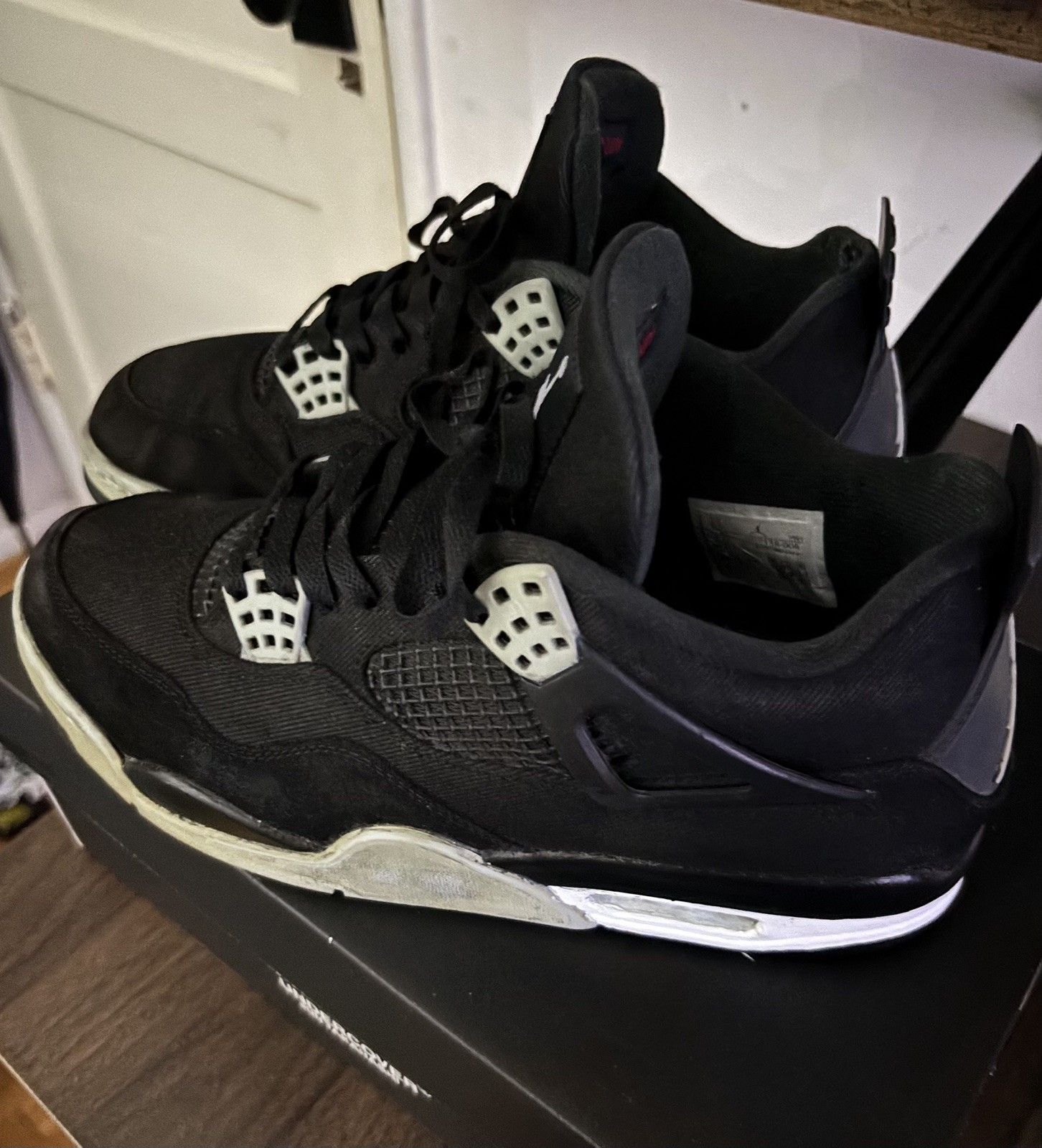


eBay links are affiliate links: JunkPal may earn a commission at no cost to you.