What does “high top” mean?
What it means
"High top" describes a sneaker silhouette where the collar rises substantially above the ankle bone. This is the technical distinction from a low-top or mid-top design. In the sneaker collecting niche, the term signifies more than just ankle coverage; it often denotes a specific design era or performance category. Historically, high-tops were standard for basketball, providing necessary lateral support. For collectors, the high-top cut is often integral to the model's identity—some iconic designs simply do not exist in a low-top variant. The primary focus remains on the specific model name, as brands apply the "high top" descriptor broadly across various cuts.
What it does to price
The high-top silhouette itself is not a direct price multiplier, but it acts as a category marker that influences demand. Models exclusively released as high-tops often command a premium over their low-top counterparts, sometimes resulting in a 15-30% higher baseline value for the same condition. Scarcity drives the most significant jumps. A rare, limited-edition high-top release can see values exceed 5x its retail price, while a common, mass-produced high-top might only fetch 1.1x retail. Condition is critical; a deadstock (DS) high-top in mint condition will always outperform a used one by a factor of 2x or more.
How to spot it
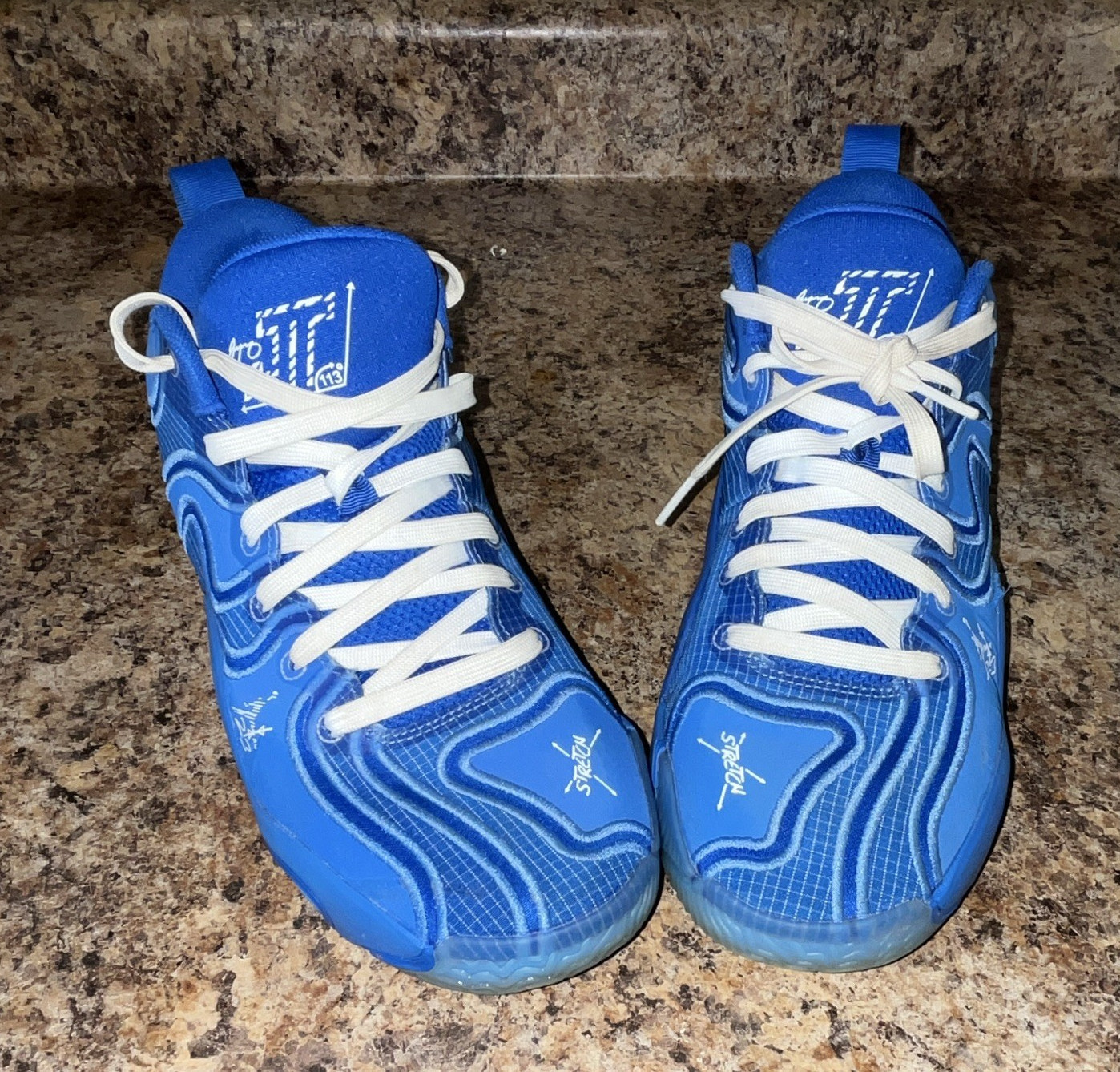
The defining feature is the height of the ankle collar relative to the shoe’s sole unit. Look for the upper material extending well past the ankle joint. Key tells for authenticity involve examining stitching integrity around the ankle padding and the structure of the collar itself; fakes often use flimsy, poorly stitched padding. Sellers must provide clear side-profile photos showing the full height. A common mistake is confusing a high-top design with a boot-style sneaker; the collar must be integrated into the athletic shoe structure, not a separate boot overlay. Verify the model code against known high-top releases for that brand.
Buying smart
Paying a premium for a high-top is justifiable when the model is historically significant or is part of a highly sought-after, limited run. If the high-top is a common, widely available release, the premium is likely inflated by hype rather than scarcity. A fair deal requires the asking price to be within 10-20% of established secondary market averages for that specific SKU and condition. Avoid paying significant premiums unless the shoe is proven to be a true grail item or comes with verifiable provenance.
Selling smart
Listing a high-top correctly maximizes buyer confidence. The description must explicitly state "High Top" and then immediately follow with the full model name (e.g., "Air Jordan 1 High"). The most valuable photo is a clear, well-lit side-profile shot taken from the ankle down, demonstrating the collar's height without distortion. Using the term "Authentic High Top" in the title signals immediate value to experienced buyers, often justifying a 5-10% uplift over listings that only use vague descriptors.
On eBay right now
Current asking prices from live listings — not sold-comp medians.




eBay links are affiliate links: JunkPal may earn a commission at no cost to you.