What does “heel lift” mean?
What it means
Heel lift refers to any structural elevation of the heel area of a sneaker above the intended baseline of the sole unit. In the collecting niche, this term separates two distinct conditions: intentional design and material degradation. When intentional, the lift is a verified component of the shoe's original silhouette, often part of a specific performance or fashion iteration. When unintentional, the lift is a result of wear, such as heel counter compression, sole separation, or midsole material breakdown. The mainstream equivalent is simply "heel height variation," but collectors differentiate based on origin—design vs. damage.
What it does to price
Intentional heel lifts are factored into the shoe's original retail value and are generally neutral or positive, provided the shoe remains otherwise pristine. A deliberate, high-profile lift on a sought-after model contributes to its aesthetic appeal and is priced as intended. Wear-induced heel lifts are a direct indicator of use and negatively impact resale value. A shoe with noticeable wear-induced lift might see a 20-40% reduction in value compared to a deadstock counterpart. For example, a pair of $300 sneakers with clear wear-induced heel lift might sell for $200-$220, whereas deadstock units command $300+.
How to spot it
The primary tell is consistency. Factory-intended lifts are uniform across both shoes and match the design schematics of the release. Wear-induced lifts are often uneven, concentrated on the outer edge of the heel, or accompanied by creasing or separation lines in the midsole foam. Sellers must provide high-resolution photos of the sole unit, specifically the heel counter and the transition point between the upper and the midsole. Look for factory markings or edition stamps near the heel cup; if these are obscured by excessive wear, the lift is likely usage-related.
Buying smart
Paying a premium for a shoe with an intentional, aesthetic heel lift is worthwhile when the shoe is otherwise flawless (deadstock or near-mint) and the lift is part of a highly desirable, limited-edition design. If the lift is purely stylistic, confirm it is documented in reliable release photos. Avoid paying a premium for any shoe where the lift appears inconsistent or is accompanied by yellowing or structural cracking, as this indicates poor material quality or heavy use. A fair deal for a deadstock shoe with an intended lift is one that reflects the documented retail price minus minor market depreciation.
Selling smart
When selling, the condition of the heel lift dictates the listing description. If the lift is intentional, list it as "Design Feature: Elevated Heel" to manage buyer expectations and justify the aesthetic. If the lift is wear-induced, list it accurately as "Used/Worn Heel Elevation" to prevent returns. The single most valuable photo is a close-up, well-lit shot of the sole unit showing the heel counter and the sole's contact point with the ground. This photo proves whether the elevation is part of the factory design or a consequence of the shoe's history.
On eBay right now
Current asking prices from live listings — not sold-comp medians.


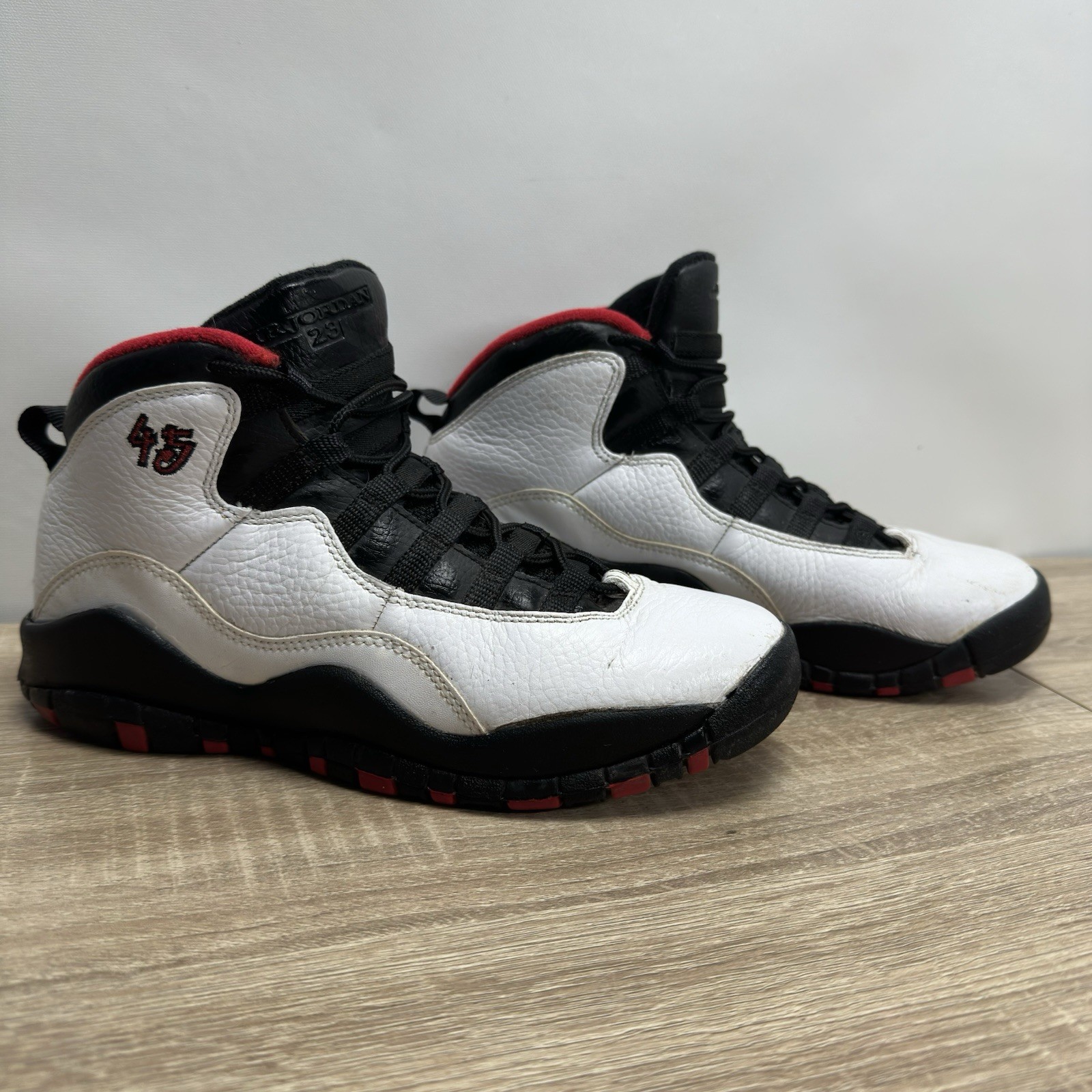


eBay links are affiliate links: JunkPal may earn a commission at no cost to you.