What does “heatwave” mean?
What it means
"Heatwave" in sneaker collecting refers to sustained periods of high ambient temperature and humidity. This is not a grading standard but an environmental risk factor. The primary impact relates to material stability. Extreme heat and humidity accelerate chemical reactions within sneaker components. Specifically, adhesives can soften, weaken, or fail; leather can dry out, crack, or warp; and rubber compounds can degrade, leading to discoloration or brittleness. For collectors, it signifies a storage hazard that can cause latent damage to an item's condition, even if the damage is not immediately visible.
What it does to price
Directly, a documented history of exposure to severe heatwaves lowers perceived value due to risk. Items stored improperly during these periods often carry a discount factor, typically 10-25% below comparable, properly stored stock. Conversely, if a sneaker is proven to have been stored in climate-controlled conditions *during* a heatwave event, the assurance of preservation can maintain its market value. For example, a pair of high-demand Jordans listed as having been stored in a non-climate-controlled garage during a 100°F heatwave might sell for $150 less than an identical pair with climate control verification.
How to spot it
Spotting the *effect* of a heatwave is difficult without inspection. Look for signs of material stress: adhesive separation (often visible near the sole/upper seam), slight warping of midsoles, or premature yellowing in white rubber components (oxidation accelerated by heat). If the sneaker is leather, check for micro-cracking or stiffness that feels unnatural. When sourcing, always request high-resolution photos of the sole edges and any visible seams. A seller claiming the shoes were stored in a hot attic without photographic evidence of climate control should be treated with skepticism.
Buying smart
Paying a premium for a sneaker solely because it survived a heatwave is unwarranted. The premium should be for condition, rarity, or provenance, not environmental luck. A fair deal involves purchasing items with verifiable, consistent storage history. If a deal is significantly lower than market average, the discount might be compensating for undocumented exposure to environmental extremes. If the price is at market rate, the seller must provide evidence of stable storage to justify the purchase.
Selling smart
Documenting proper storage negates the risk associated with environmental factors. The single most effective element in a listing is a clear statement regarding storage conditions (e.g., "Stored in climate-controlled, dark environment"). If the item was stored during a known heatwave, providing photos of the storage area (if it was controlled) mitigates buyer concern. A simple phrase like "Climate Controlled Storage Verified" can prevent buyers from applying an automatic environmental discount, allowing the item to command top-tier pricing.
On eBay right now
Current asking prices from live listings — not sold-comp medians.


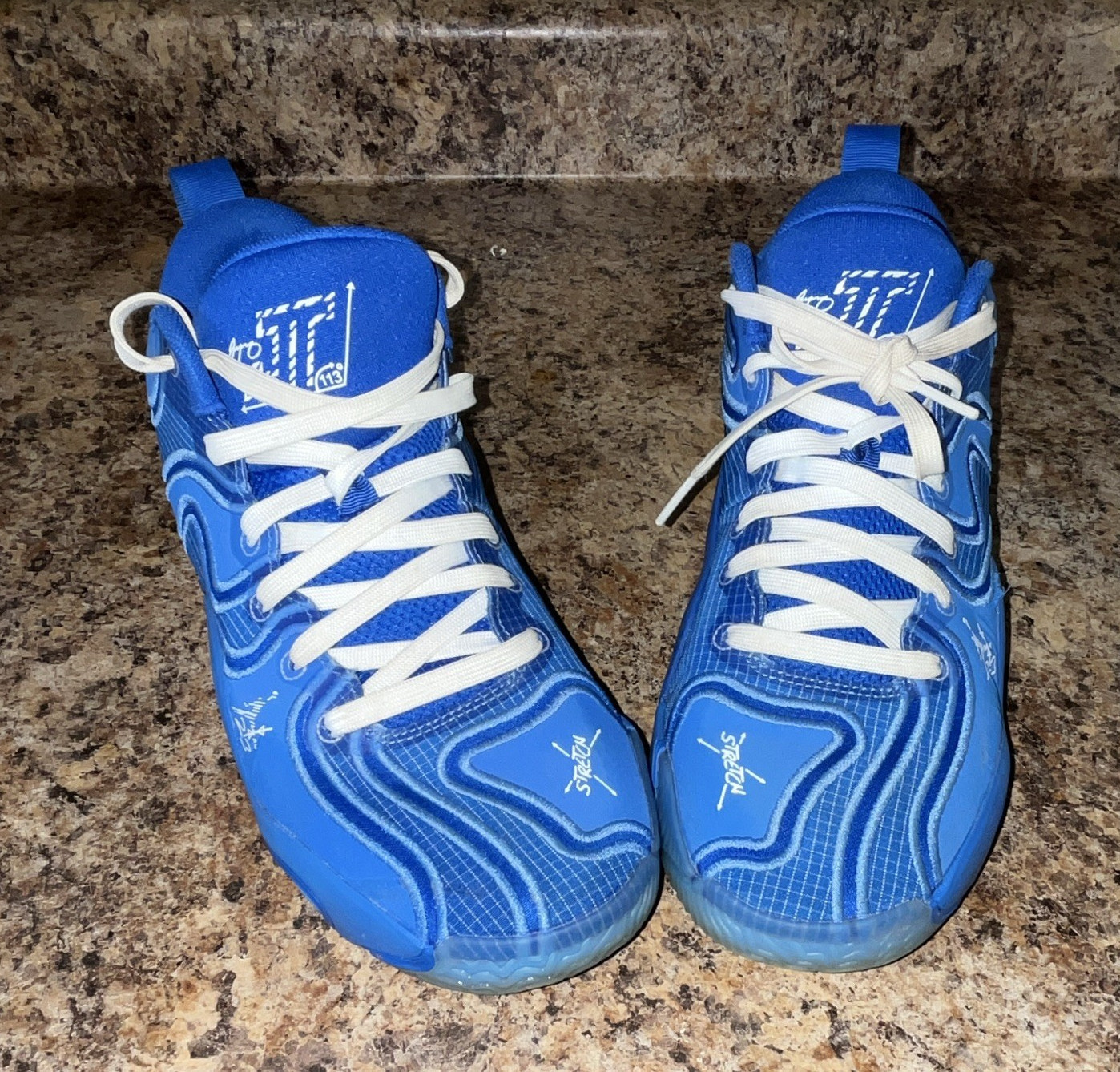


eBay links are affiliate links: JunkPal may earn a commission at no cost to you.