What does “heat check” mean?
What it means
"Heat check" is the comprehensive, physical and detailed verification process applied to a pair of sneakers. It is the granular inspection that moves beyond basic visual assessment. This process confirms two primary elements: condition and authenticity. Condition assessment involves scrutinizing stitching integrity, sole adhesion, material texture consistency, and identifying all forms of wear, including creasing, discoloration, and structural damage. Authenticity verification requires examining construction details, material composition, and specific manufacturing markers to distinguish genuine product from replicas. The mainstream equivalent is a detailed technical inspection or forensic evaluation.
What it does to price
The results of a heat check directly dictate the final market value. A pair passing a flawless heat check, designated Deadstock (DS) or Near Mint (NM), commands the highest premium. A pair with minor, acceptable wear (e.g., slight heel scuffing) typically sees a 10-20% reduction from DS pricing. Significant flaws—such as midsole cracking, major sole separation, or visible material defects—can result in a 40-60% markdown. For example, a highly sought-after pair listed at \$800; if the heat check reveals minor sole separation, the realistic selling price drops to \$500-\$550.
How to spot it
Key indicators during a heat check include examining the insole markings for correct font and placement, verifying the stitching density around panel joins, and checking for proper material grain alignment. For authenticity, specific production codes, material sheen, and the precise execution of printed graphics must match known reference samples. Common pitfalls include counterfeit materials that feel too soft or too rigid, and manufacturing oversights where a genuine pair might have a slightly misaligned tag—these are honest mistakes, not necessarily fakes. Sellers must provide high-resolution, multi-angle photos, including close-ups of the tongue tag and outsole tread pattern.
Buying smart
Paying a premium for a heat check is justified when the item is a rare, high-demand release, or when the seller provides transparent documentation (e.g., COAs, detailed inspection photos). The premium is not worth it for common, low-value releases where a minor scuff has negligible impact on the final sale price. A fair deal involves the asking price accurately reflecting the condition documented during the heat check. If a seller claims "Deadstock" but the inspection reveals significant heel wear, the negotiation leverage is substantial.
Selling smart
Documenting the results of a thorough heat check elevates a listing from a casual sale to a professional transaction. Providing detailed photos showing the *absence* of flaws, alongside clear photos highlighting the condition (e.g., "Minor creasing only on toe box"), manages buyer expectations and reduces disputes. The single most valuable element in a listing is a clear, high-resolution photo of the sole edge showing no separation or dirt buildup. This visual proof of integrity allows the seller to command the top-tier price bracket.
On eBay right now
Current asking prices from live listings — not sold-comp medians.


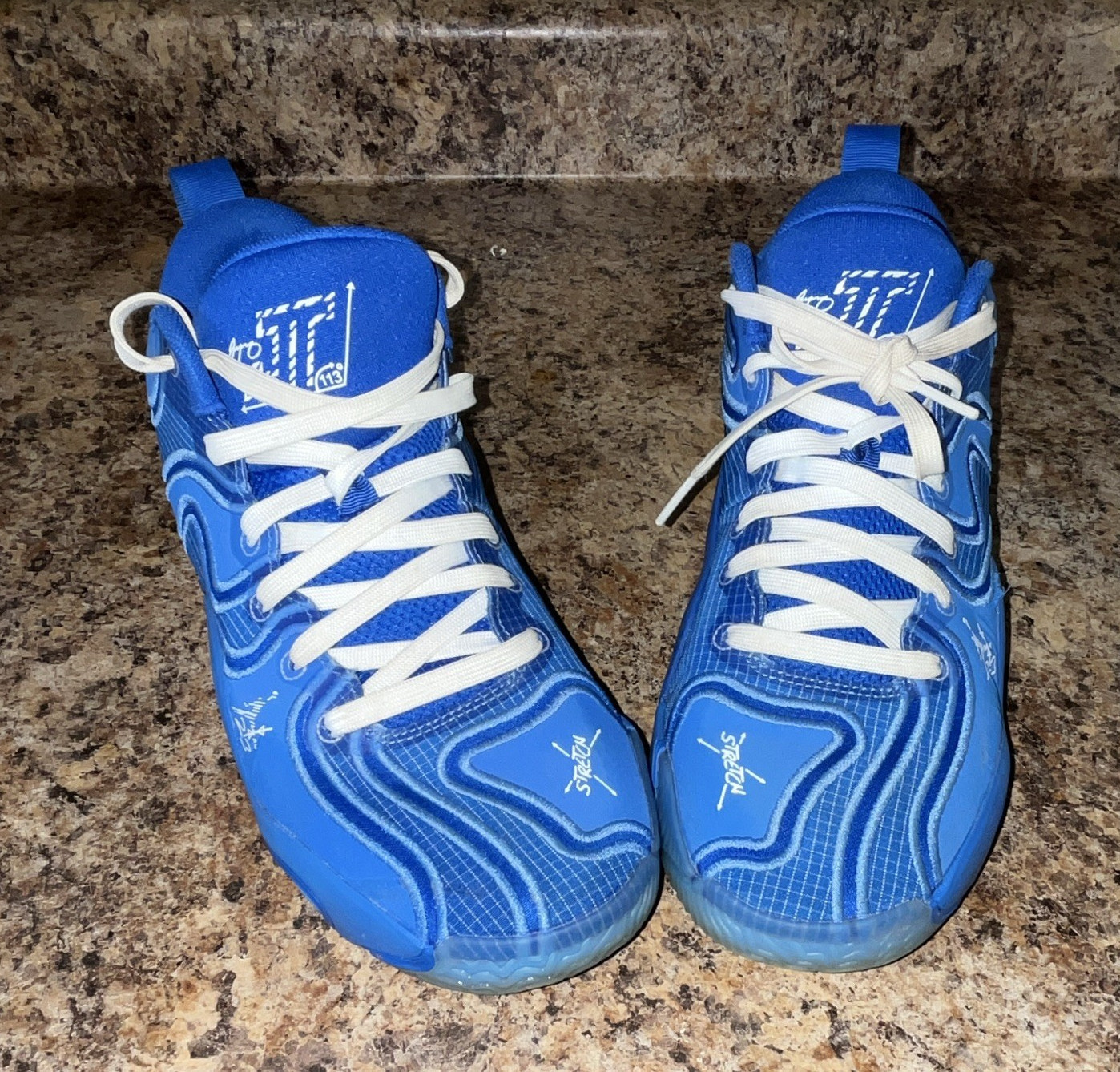


eBay links are affiliate links: JunkPal may earn a commission at no cost to you.