What does “grail hunt status” mean?
What it means
Grail hunt status defines the current level of desirability and scarcity for a specific sneaker model within the collecting community. It is a measure of how difficult and sought-after an item is. High grail status means the shoe is extremely coveted by serious collectors. This status is not merely about age; it is driven by limited production runs, cultural impact, or association with high-profile figures. Mainstream equivalent: Hype level or collector demand index.
What it does to price
Grail status directly dictates resale value. High status items command significant premiums over retail. A low-demand, common release might sell for 1.0x to 1.3x retail. A mid-tier, sought-after release might fetch 2x to 4x retail. True grail status—think highly limited collaborations or archival pieces—can see multipliers exceeding 10x retail, especially if condition is perfect. For example, a highly grail-status limited edition pair might sell for $5,000 when retail was $500. Scarcity is the primary driver; any sign of oversupply or perceived availability will rapidly deflate the premium.
How to spot it
Grail status is determined by verifiable data points. Check official release records for production caps (e.g., "Limited to 500 pairs"). Look for specific edition markers, unique colorways, or specific material combinations that differentiate it from mass-market versions. When evaluating a listing, request high-resolution photos of the tongue tag, outsole print, and internal box tissue. Common pitfalls include misidentifying a general release as a limited run, or purchasing a heavily worn pair when the market demands Near Mint (NM) condition.
Buying smart
Paying a premium for grail status is justified when the shoe possesses verifiable, documented scarcity and cultural relevance. If the shoe is a proven, ultra-limited drop, the premium is an investment in scarcity. It is not worth the premium if the scarcity claim is vague or if the shoe is merely "popular" rather than "rare." A fair deal involves the asking price being within 15-25% of the established secondary market average for that specific condition grade. If the asking price is significantly higher without verifiable provenance, the risk outweighs the potential return.
Selling smart
Proving the authenticity and the specific scarcity of the item maximizes buyer willingness to pay. A listing that clearly states the shoe is "Deadstock, Verified Limited Run" immediately elevates the perceived value. The single most effective element in a listing is photographic proof of the packaging—specifically, the original, sealed box with all associated paperwork intact. A clear, high-resolution photo of the original receipt or Certificate of Authenticity (COA) allows the seller to command the top tier of the market premium, often securing a 10-20% bump over listings lacking such documentation.
On eBay right now
Current asking prices from live listings — not sold-comp medians.


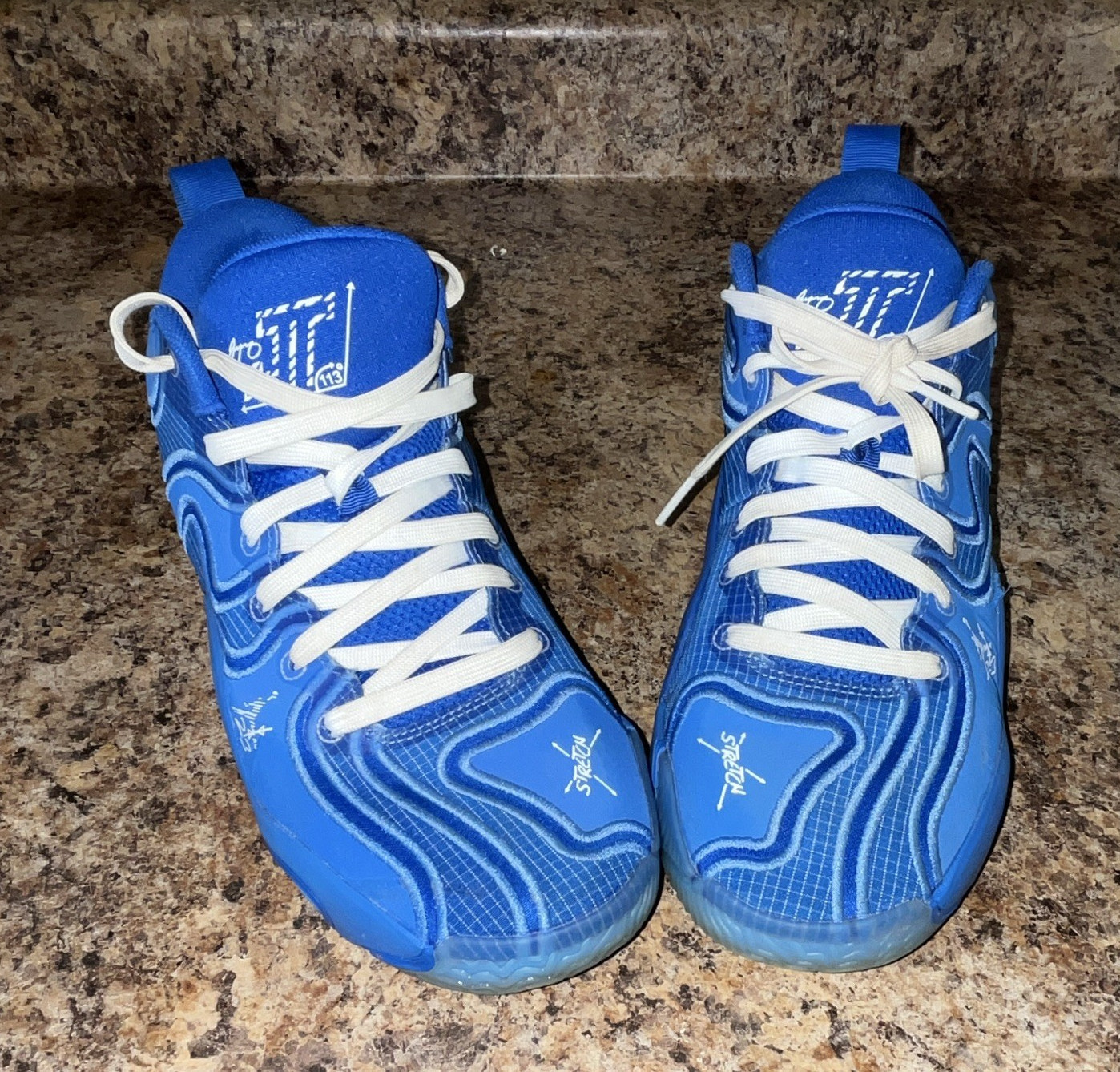


eBay links are affiliate links: JunkPal may earn a commission at no cost to you.