What does “grail hunt” mean?
What it means
"Grail hunt" describes the focused, sustained effort to acquire a specific, extremely rare, or culturally significant sneaker. The "grail" is the ultimate target item—the peak acquisition for a collector or the highest-potential flip for a reseller. It is not merely wanting a nice shoe; it is pursuing an item whose scarcity drives its market value. The hunt encompasses monitoring primary release windows, tracking secondary market listings across platforms, and networking for early access. The mainstream equivalent is a high-stakes, targeted acquisition mission.
What it does to price
The rarity level is the primary price driver. A highly coveted, authenticated grail can command a 5x to 15x premium over a comparable, readily available model. Factors pushing the price up include verified provenance (proof of origin) and condition (Deadstock/CIB). Conversely, minor flaws—such as scuffs on the sole or box damage—can reduce the premium by 15-30%. For example, a pristine, authenticated pair of a specific retro Jordan 1 might sell for $1,500, while a pair with noticeable toe-box wear might drop to $1,100.
How to spot it
Identifying a grail requires deep knowledge of the specific model's production runs. Look for unique edition markers, specific material swatches, or subtle print variations that distinguish a limited release from a standard drop. Sellers must provide high-resolution photos of the outsole, internal tags, and any unique packaging elements. Common pitfalls involve misidentifying regional releases or falling for "deadstock" claims when the shoe has been worn. Always cross-reference the shoe's known release history against the seller's claims.
Buying smart
Paying a premium for a grail is justified when the item holds undisputed cultural significance or when the investment potential is high and verifiable. If the item is purely based on hype without established market demand, the risk is high. A fair deal involves the asking price being within 10-20% of established, recent sales data for authenticated examples. If the price exceeds 30% above the established high-end average, due diligence on the seller and the item's condition is mandatory.
Selling smart
Proving authenticity and condition transforms a listing from a commodity sale to an asset sale. A listing that includes a clear, unedited photo of the original box seal, alongside professional photos of the shoe's entirety, immediately justifies a higher asking price. The single most valuable element is a certificate of authenticity (COA) from a reputable third-party service. This documentation allows the seller to command the top-tier premium, often netting 10-25% more than an unverified listing.
On eBay right now
Current asking prices from live listings — not sold-comp medians.


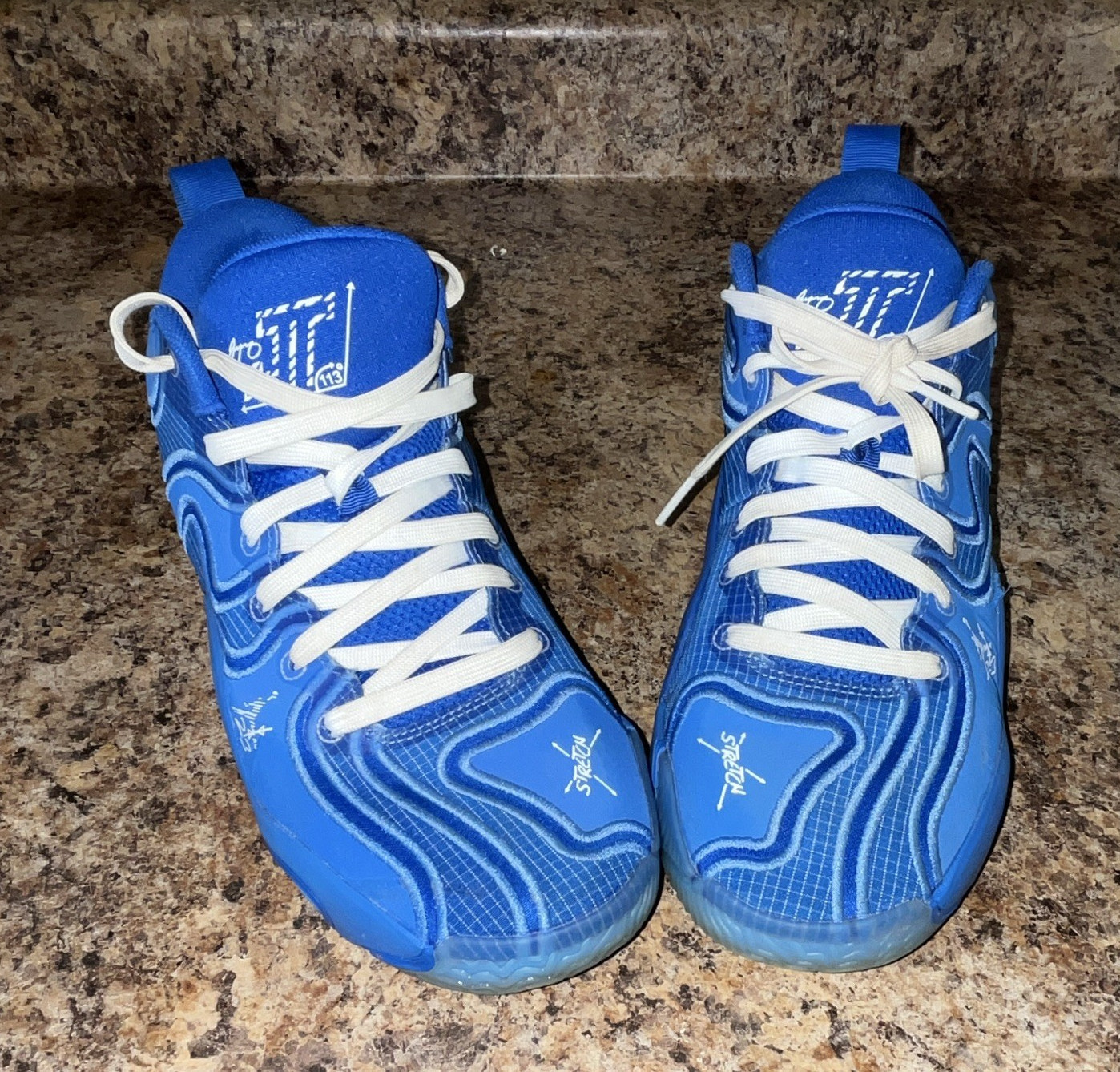


eBay links are affiliate links: JunkPal may earn a commission at no cost to you.