What does “grail factor” mean?
What it means
Grail factor is the intense, non-quantifiable desirability of a specific sneaker model within the collecting community. It is the item's status as a legendary piece, transcending mere hype. While hype relates to current social media buzz, grail factor is rooted in cultural significance, historical impact, or perceived ultimate rarity. It is the collector's ultimate aspiration—the "holy grail" of their collection. A high grail factor means the shoe carries immense narrative weight, making it a status symbol for the owner.
What it does to price
Grail factor acts as a significant, non-linear multiplier on market value. A shoe with high grail factor can command 3x to 10x the price of a comparable, less significant model, even if its condition is slightly below perfect. Minor flaws are often overlooked because the cultural weight overrides preservation concerns. For example, a highly coveted, limited-run collaboration shoe with a high grail factor might sell for $1,500 despite having a small scuff mark, whereas a standard release of the same silhouette with no grail factor might sell for $150. Provenance (documented history) can add an additional 20-40% premium.
How to spot it
Grail status is often tied to specific, verifiable scarcity markers. Look for extremely low production numbers (e.g., "1 of 100"), unique colorways tied to specific events, or collaborations with historically significant figures or brands. Inspect print quality meticulously; high-end grails often feature complex, multi-layered graphics that are difficult for counterfeiters to replicate perfectly. Sellers should provide high-resolution photos of the box and any accompanying paperwork or tags. Common pitfalls include mislabeling or confusion between similar, but distinct, limited editions.
Buying smart
Paying a significant premium for grail factor is justified when the shoe represents a definitive, historically critical moment in sneaker culture (e.g., a foundational release or a highly exclusive, culturally resonant collaboration). It is not worth the premium for a shoe that is merely "popular" or "trendy." A fair deal involves the premium being proportional to the documented scarcity and cultural impact. If the shoe is highly hyped but lacks verifiable scarcity or historical context, the premium is likely inflated speculation, not true value.
Selling smart
To maximize return, the listing must immediately establish the shoe's narrative weight. Do not just list the model name; state *why* it is a grail. The single most effective element is verifiable provenance—a photo of the original purchase receipt, a photo of the box showing specific edition stickers, or documentation linking the shoe to a known collector or event. The word "Grail" or "Iconic" in the title, backed by evidence, signals to high-end buyers that the item carries the necessary cultural cachet to justify top-tier pricing.
On eBay right now
Current asking prices from live listings — not sold-comp medians.


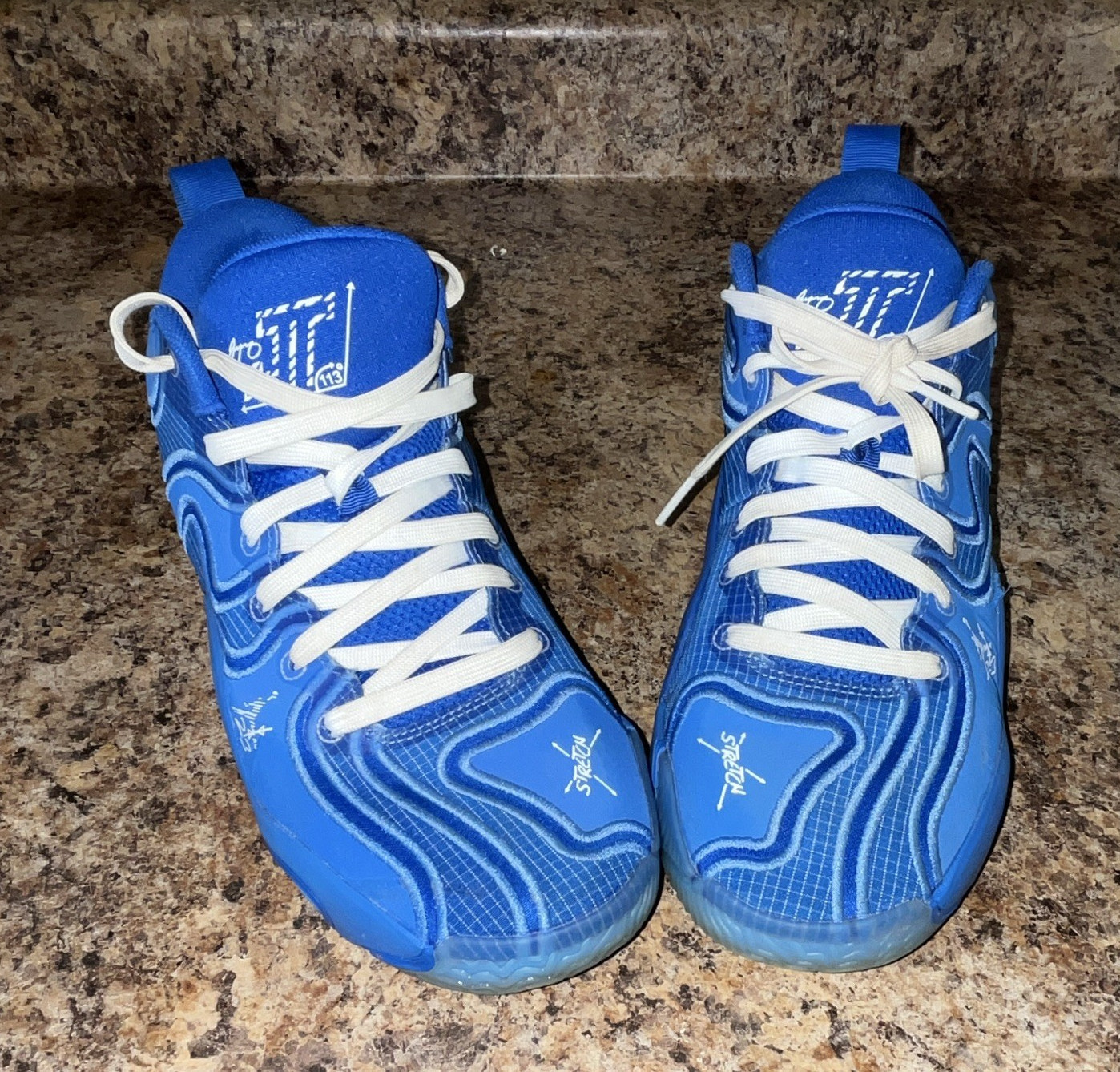


eBay links are affiliate links: JunkPal may earn a commission at no cost to you.