What does “grail chase” mean?
What it means
"Grail chase" is the focused, high-stakes pursuit of a specific, extremely rare, or culturally definitive sneaker model. The term refers not just to owning the shoe, but the dedicated effort—tracking, waiting, and competing—to acquire it. In mainstream terms, this is the obsession with the ultimate, hardest-to-get item in a hobby. These are not just expensive shoes; they are scarcity artifacts. The chase validates the collector's status within the community.
What it does to price
Grails command significant premiums based on scarcity and cultural saturation. A confirmed, authenticated grail piece can fetch anywhere from 3x to 10x the standard retail price, depending on the item's historical significance (e.g., a retro Jordan 1 vs. a limited-run collaboration). Minor condition flaws can drop the price by 15-25% instantly. Conversely, a verifiable box/OG tag adds a minimum 10-15% premium. For example, a highly sought-after, deadstock Air Jordan 1 Retro High might sell for $1,200, whereas a comparable pair with minor creasing might trade for $950.
How to spot it
Identifying a grail involves verifying specific production details. Look for unique SKU numbers, specific colorway codes tied to limited runs, or unique print variations (e.g., specific stitching patterns or material textures). Sellers must provide high-resolution, multi-angle photos. Common pitfalls include mislabeling (listing a high-demand model as a standard release) or accepting replicas. Always request clear photos of the original packaging, size tags, and any accompanying documentation.
Buying smart
Paying a premium is justified when the shoe is genuinely historically significant or demonstrably scarce (e.g., a one-off collaboration or a highly limited drop from a deceased designer). It is not worth the premium for a shoe that is merely "popular" but widely available through secondary markets. A fair deal requires the asking price to be within 10-20% of the established recent market average for authenticated examples. If the asking price exceeds 30% above that average without a verifiable, unique provenance, the risk is too high.
Selling smart
Listing a grail requires meticulous documentation to justify the premium. The listing must clearly state the item's rarity and condition. The single most effective element is providing photographic evidence of the original purchase receipt or a Certificate of Authenticity (COA) from a reputable third party. The word "Authenticated" in the title, backed by proof, allows sellers to command the top tier of the market, often netting 20-40% more than sellers who only rely on photos of the shoe itself.
On eBay right now
Current asking prices from live listings — not sold-comp medians.


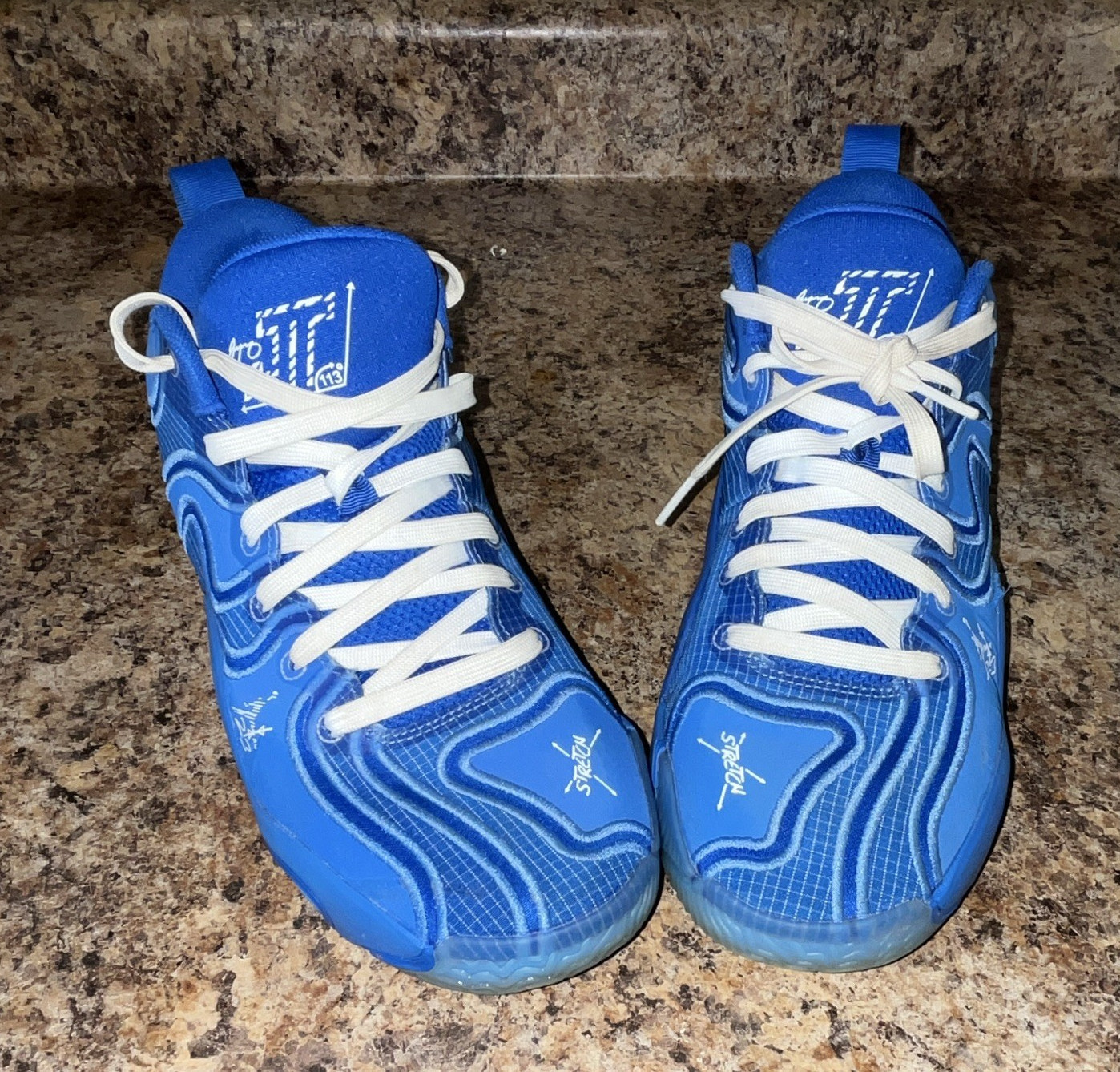


eBay links are affiliate links: JunkPal may earn a commission at no cost to you.