What does “flipping strategy” mean?
What it means
Flipping strategy in the sneaker market is the calculated acquisition and subsequent resale of footwear with the primary goal of profit generation. It is a commercial activity, distinct from collecting for personal enjoyment or preservation. Flippers operate by identifying market inefficiencies—buying inventory below its anticipated secondary market value. This requires active monitoring of release schedules, cultural trends, and inventory scarcity. The mainstream equivalent is arbitrage, though sneaker flipping incorporates a higher degree of trend prediction. The strategy is inherently speculative, betting on future demand outpacing current supply.
What it does to price
Flipping activity directly inflates the secondary market price ceiling. High-volume flipping depletes available stock, creating artificial scarcity that drives up baseline prices. Demand spikes driven by coordinated flipping can cause prices to temporarily exceed perceived intrinsic value. For example, a highly anticipated, limited-edition release might see its initial retail price ($180) immediately jump to $350-$450 within 48 hours of release due to rapid reseller acquisition. Conversely, if a flip fails to gain traction, the inventory can stagnate, causing prices to drop 20-40% below peak hype levels.
How to spot it
Identifying a flip often involves analyzing listing patterns rather than product details. Look for sellers listing identical, high-demand items across multiple platforms simultaneously, often with near-identical photos and descriptions, suggesting inventory liquidation rather than personal collection maintenance. Common tells include excessively aggressive pricing near the retail mark for highly sought-after items, or listings that appear too perfect (e.g., pristine condition photos of items that have seen heavy wear). Sellers engaged in flipping may also lack deep product knowledge, relying solely on market data rather than historical context.
Buying smart
Paying a premium is justified when the item possesses verifiable, long-term cultural significance or scarcity that transcends short-term hype cycles. A fair deal is one where the asking price reflects a reasonable margin over the established, verifiable secondary market average for that specific condition (e.g., Deadstock). Avoid paying extreme premiums ($500+ over market average) for items whose demand is solely driven by current social media trends, as these bubbles are prone to rapid deflation. If the item is a recent, unproven drop, treat the purchase as a high-risk investment.
Selling smart
Proving the item's provenance and condition is the primary driver of premium pricing. Buyers pay more for certainty. The single most effective element in a listing is clear, high-resolution photography showing the original box, any included authentication tags, and close-ups of the soles or stitching to confirm authenticity and condition. A simple, unambiguous declaration such as "Deadstock/Never Worn" or "OG Box Included" can justify a 10-15% price increase over listings where condition is ambiguous.
On eBay right now
Current asking prices from live listings — not sold-comp medians.


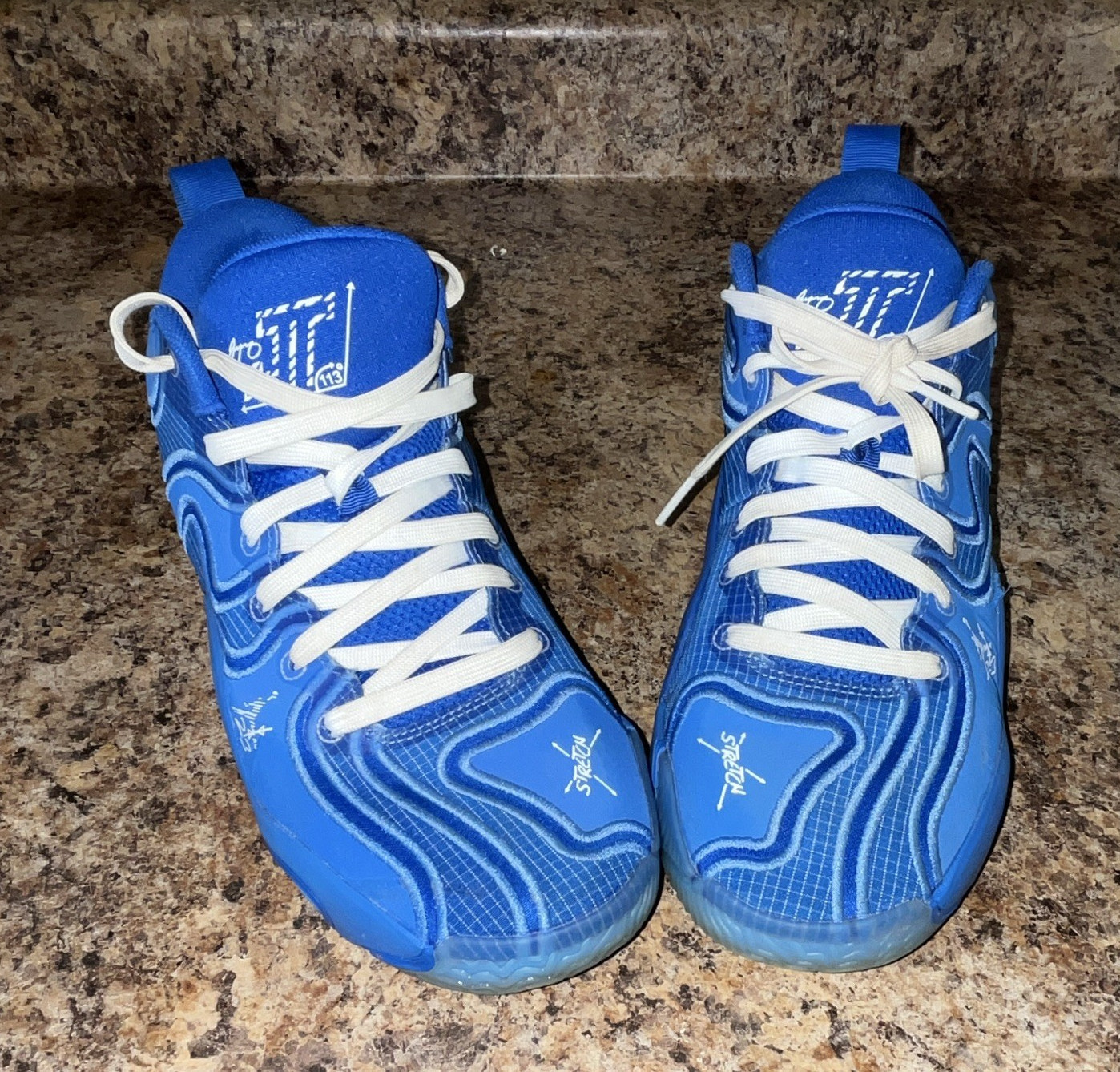


eBay links are affiliate links: JunkPal may earn a commission at no cost to you.