What does “fit profile” mean?
What it means
Fit profile defines the dimensional characteristics of a specific sneaker model. This encompasses width (narrow, standard, wide), length (true-to-size, runs large, runs small), and overall silhouette shape. It is not merely about size selection (e.g., US 10) but how that size *feels* on the foot. For resellers, this is the practical equivalent of a product specification sheet detailing comfort and wearability. A shoe known for being "narrow in the toe box" is a specific fit profile characteristic.
What it does to price
Fit profile directly impacts sell-through rate, which dictates final price. A model with a universally praised fit profile (e.g., known for being roomy) commands a slight premium, often 5-10% higher than an identical, poorly fitting model. Conversely, if a model is notorious for running extremely narrow, the market accepts a discount, potentially 10-20% off MSRP, because the risk of buyer dissatisfaction is higher. If a shoe is misrepresented in its fit profile (e.g., listed as "true-to-size" when it runs significantly small), the listing may receive negative feedback, leading to a 25%+ drop in future sales velocity.
How to spot it
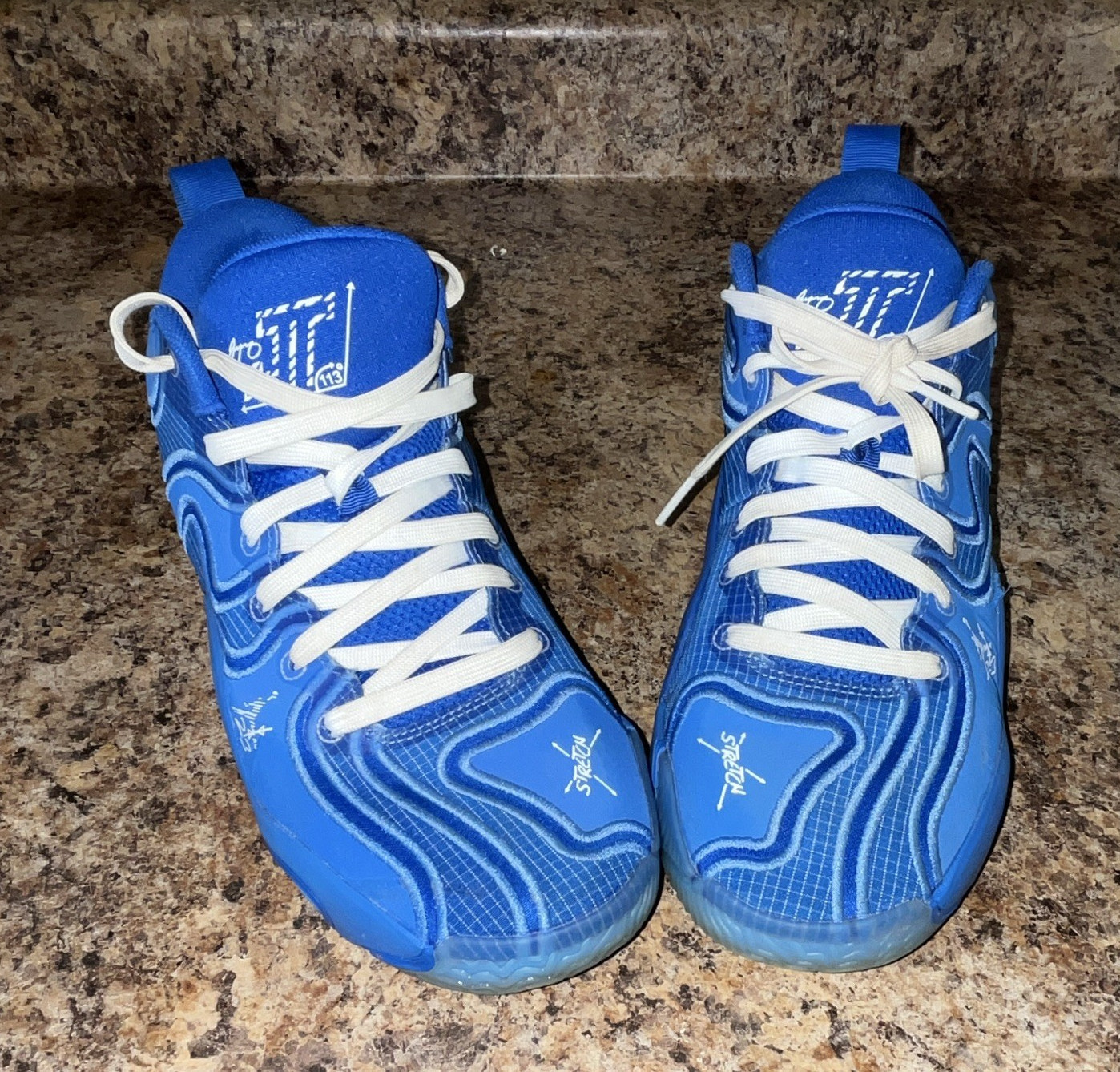
Fit profile is rarely an edition marker, but it is evident in community consensus and product photography. Sellers must provide multiple angle shots, especially close-ups of the toe box and midfoot area, to allow assessment of the silhouette. Common tells include established community reviews (e.g., "This model is notoriously snug in the heel"). A common honest mistake is mislabeling a model's fit based on a single reviewer's experience. Fakes often fail to replicate the precise internal padding and shape that dictates the true fit profile; a cheap replica often feels flimsy or incorrectly proportioned compared to the genuine article.
Buying smart
Paying a premium for a specific fit profile is justified when the shoe is a highly sought-after, niche release where fit is a known, documented feature (e.g., a specific performance runner known for its wide base). It is not worth paying a premium if the fit profile is anecdotal or unverified. A fair deal requires the seller to acknowledge the fit profile in the description. If a seller claims a shoe is "true to size" but no reputable sources confirm this, the price should be discounted by at least 15% to account for the unknown risk.
Selling smart
Proving the fit profile in a listing converts potential buyers into committed purchasers. A seller who states, "Runs slightly narrow in the width," preempts the most common complaint. The one word or phrase that earns the premium is specific verification: "Verified true-to-size fit" or "Known for generous volume." Including a short, objective statement about the fit profile in the title or description reduces returns and justifies a higher asking price by managing buyer expectations accurately.
On eBay right now
Current asking prices from live listings — not sold-comp medians.




eBay links are affiliate links: JunkPal may earn a commission at no cost to you.