What does “fashion drop” mean?
What it means
A fashion drop is a specific, limited-run sneaker release directly tied to a high-fashion aesthetic, designer partnership, or runway trend. This is distinct from a general "hype release"; the influence must stem from established, high-end fashion houses or designers, not just mainstream streetwear collaborations. The mainstream equivalent is a "designer collaboration release." These items are manufactured in smaller quantities than standard releases, making scarcity a primary driver of value. The focus is less on athletic performance and more on cultural cachet and aesthetic alignment with current luxury trends.
What it does to price
Fashion drops command significant price premiums over their retail cost. A genuine, highly sought-after drop can easily fetch 3x to 10x its original retail price on the secondary market, depending on the brand pedigree and scarcity level. Factors pushing the price up include direct designer involvement (e.g., Balenciaga, Gucci), extremely low production numbers (under 500 units), and immediate cultural relevance upon release. A drop from a major fashion house, even if slightly aged, typically maintains a higher floor price than a general streetwear release. For example, a limited-edition sneaker from a major fashion house might trade for $1,500 when retail was $400.
How to spot it
Identifying a fashion drop requires scrutinizing the product’s provenance and construction. Look for specific co-branding elements, unique material treatments (e.g., exotic leathers, specific textile weaves), or unusual silhouette deviations from the brand's standard offerings. Sellers must provide documentation showing the specific collection or designer line. Common pitfalls include counterfeit items mimicking high-fashion detailing; these often fail on material texture or stitching precision. Always request high-resolution photos of internal tags, sole markings, and any visible edition numbering.
Buying smart
Paying a premium for a fashion drop is justifiable when the item represents a significant piece of cultural commentary or when the collaboration is historically significant. If the item is a one-off piece from a highly exclusive, short-lived runway presentation, the premium is warranted. Conversely, if the "fashion influence" is merely superficial (e.g., a single logo placement on a standard silhouette), the premium is likely inflated. A fair deal requires the secondary market asking price to be within 2x to 4x the retail price unless the item is proven to be ultra-limited (under 100 units).
Selling smart
Maximizing resale value hinges entirely on proving the item’s status as a fashion drop, not just a rare sneaker. The listing must explicitly name the designer or collection responsible for the aesthetic influence. The single most valuable piece of evidence is a photo of the original purchase receipt or any accompanying marketing material that references the specific fashion line or collaboration. Listing the item with the exact provenance—"Gucci x Brand X Limited Edition"—rather than just the model name, allows buyers to pay the necessary cultural premium.
On eBay right now
Current asking prices from live listings — not sold-comp medians.


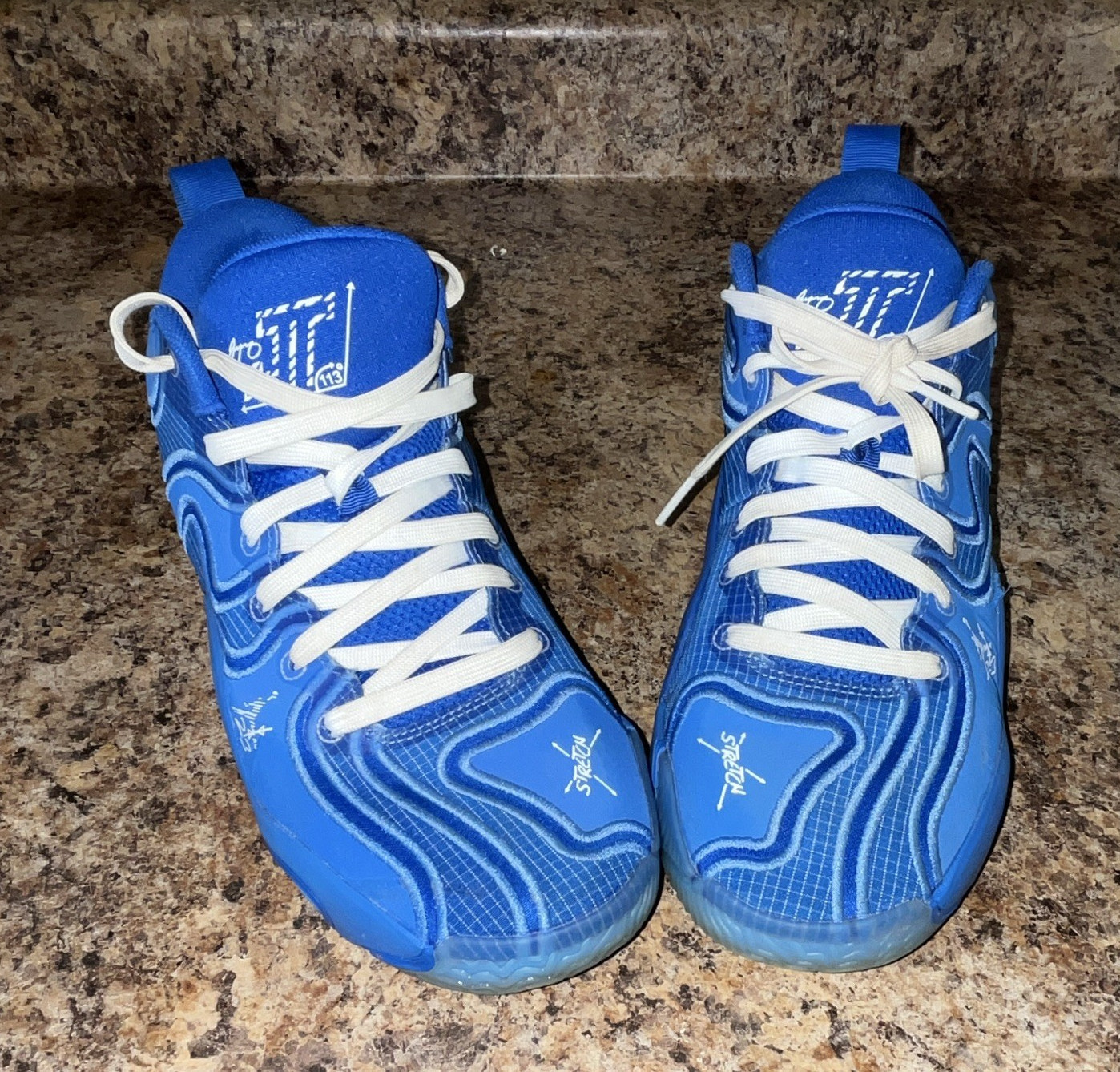


eBay links are affiliate links: JunkPal may earn a commission at no cost to you.