What does “dunk” mean?
What it means
"Dunk" refers to the specific athletic shoe silhouette originally developed by Nike. While the term is used broadly, in collecting, it denotes the specific design lineage. It is not just any Nike shoe; it is the Dunk model. The shoe’s cultural significance stems from its transition from basketball footwear to a high-fashion, streetwear staple. The core value is tied to the specific model, colorway, and release scarcity, not just the general shoe type.
What it does to price
Price is driven almost entirely by scarcity and demand. A general, non-special edition Dunk Low in a common colorway might trade in the $80–$150 range depending on condition. However, a highly sought-after collaboration (e.g., Nike x Travis Scott or specific university retros) can command multiples of that, easily reaching $1,000 to $4,000+ depending on the specific drop and condition. Condition is critical: Deadstock (DS) commands a 1.5x to 3x premium over a lightly worn (L) pair. A minor scuff on a rare colorway can reduce value by 15–25%.
How to spot it
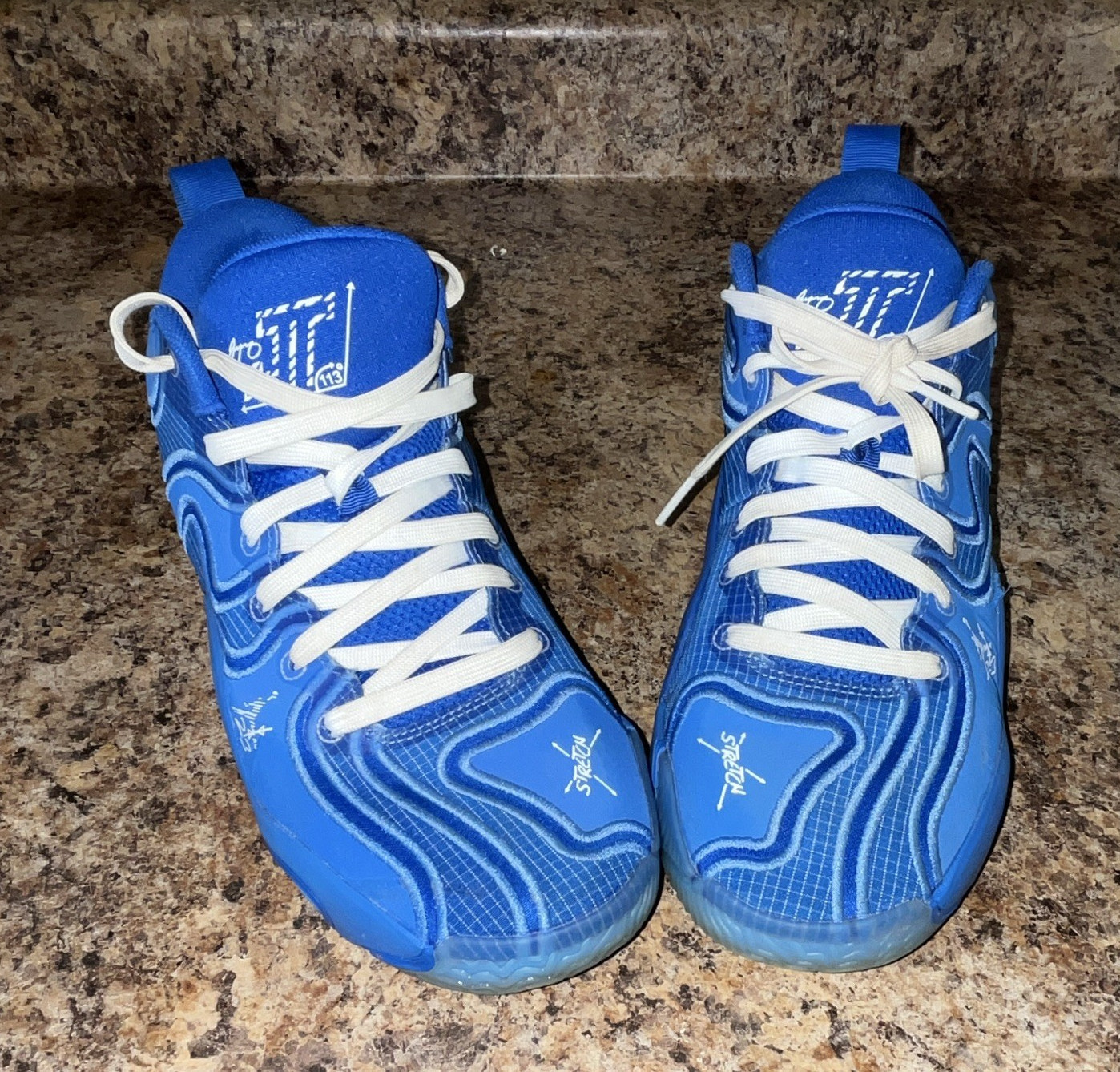
Authenticity verification requires close inspection of several points. Examine the stitching quality, especially around the Swoosh and panel overlays; fakes often have inconsistent thread density. Check the internal tags and box details against known authentic release photos. Specific edition markers, such as unique material textures or subtle branding placements (e.g., on the tongue or heel tab), must match official imagery. Common fakes often fail in the texture of the leather or the precision of the sole molding. Always request high-resolution photos of the outsole and the internal box label.
Buying smart
Paying a premium is justified when the shoe is a confirmed, highly limited release (e.g., a numbered collaboration or a specific "OG" colorway) and the condition is Deadstock. If a shoe is a common retro release without specific hype attached, the premium is often inflated and not worth the risk. A fair deal involves comparing the asking price against recent, verifiable sales data for that exact SKU and condition. If the asking price exceeds 2.5 times the average retail price without a proven, massive cultural driver, caution is warranted.
Selling smart
Proving provenance drastically increases buyer confidence and price. A high-quality photo of the original retail box, complete with the original price sticker or receipt, is the single most effective tool to command top dollar. Listing the shoe with explicit details regarding its release date, specific SKU number, and confirmed condition (DS/L) minimizes buyer doubt. Using the term "Verified" in the listing title, backed by clear photographic evidence, allows the seller to capture the maximum premium associated with authenticated, rare inventory.
On eBay right now
Current asking prices from live listings — not sold-comp medians.




eBay links are affiliate links: JunkPal may earn a commission at no cost to you.