What does “drop” mean?
What it means
A drop is the scheduled, limited-quantity release of a specific sneaker model. It is the designated moment of availability. This is not merely a general release; it implies scarcity, often tied to a specific date, time, and sometimes a specific channel (e.g., a raffle, a specific retailer website). The mainstream equivalent is a product launch, but in this context, the emphasis is on the *limited access* and *timed nature* of the availability. A drop is the gatekeeper to scarcity.
What it does to price
Scarcity directly inflates price. If a shoe sells out immediately upon release, its aftermarket value increases significantly. A general retail price of \$150 can easily see a limited-edition drop version trade for \$400–\$800 or more, depending on the brand and demand curve. Factors pushing the price up include low initial stock counts and high visibility from major influencers. Factors pushing it down include excessive secondary market flooding or known quality control issues from the initial run. If a highly sought-after drop sells out instantly, the price premium is often 2.5x the retail cost initially.
How to spot it
Drops are identified by specific release nomenclature: "Limited Edition," "SNKRS Exclusive," or specific collaboration codes (e.g., "Travis Scott x Jordan 1"). Sellers must provide proof of purchase or original receipt showing the release date. Look for unique edition markers—specific colorways or material treatments tied only to that release window. Common mistakes include mislabeling a general release as a limited drop item. Fakes often fail on specific material textures or the precise font used in the release date markings. Request high-resolution photos of the box's UPC and any accompanying hangtags.
Buying smart
Paying a premium for a drop item is justified when the resale market consistently supports the inflated price, meaning the scarcity is genuine and sustained. If a shoe is priced significantly above the established secondary market average (e.g., asking \$1,200 when recent sales average \$750), the risk is too high. A fair deal reflects the current, proven market velocity. If the item is a "deadstock" (DS) piece from a highly publicized, sold-out drop, the premium is expected; if it is an older, less hyped release, the premium should be minimal.
Selling smart
Listing a shoe as an authentic piece from a specific, highly coveted drop commands a higher baseline price. Buyers pay more for provenance. The single most valuable element in a listing is clear, verifiable proof of its initial acquisition. This is best shown via a photo of the original purchase receipt or a clear, unedited photo of the shoe still in its original, sealed box with the retail tag attached. The word "Deadstock" (DS) paired with the confirmed drop name acts as the premium trigger, validating the scarcity claim.
On eBay right now
Current asking prices from live listings — not sold-comp medians.

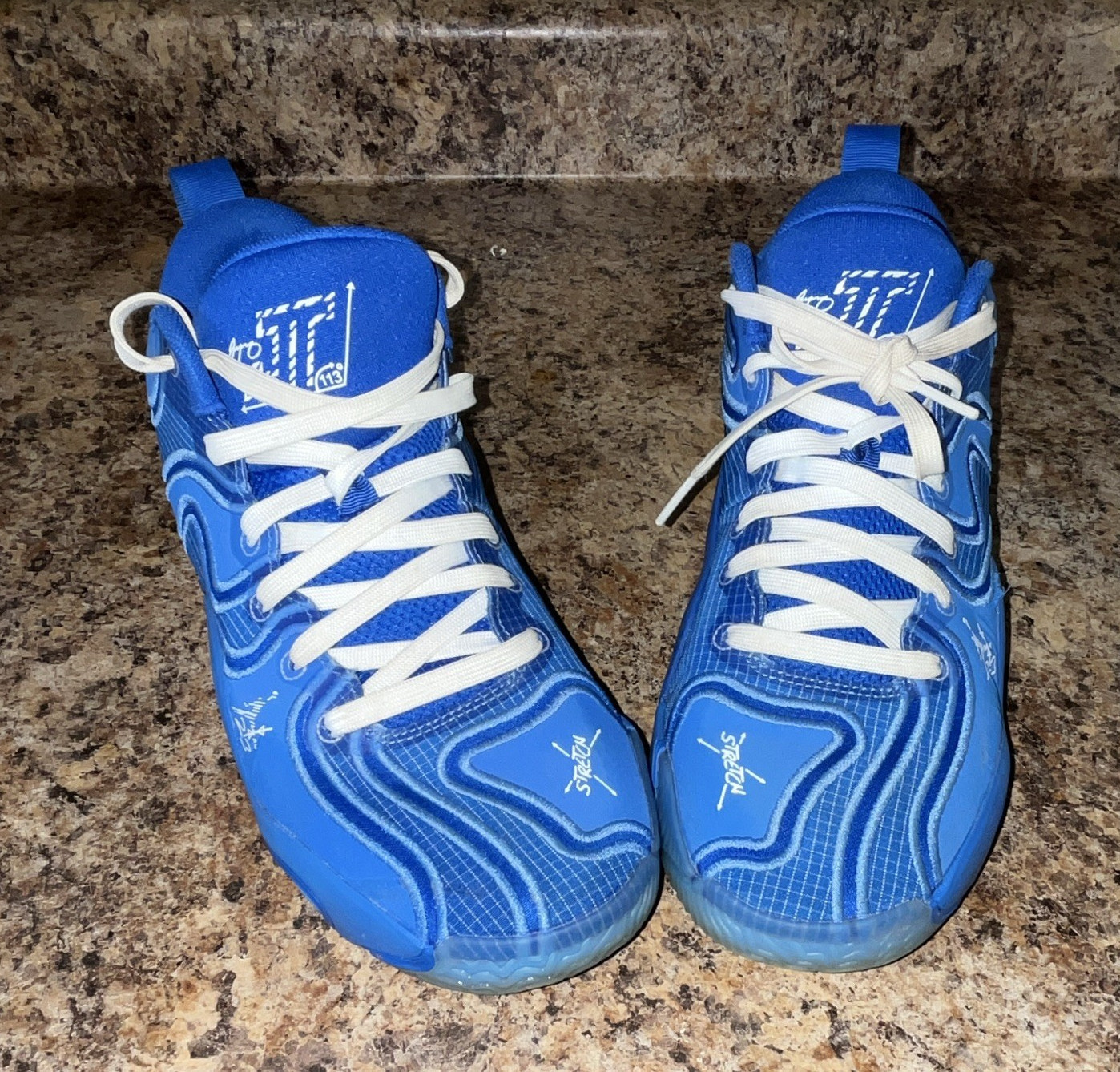


eBay links are affiliate links: JunkPal may earn a commission at no cost to you.