What does “deconstructed” mean?
What it means
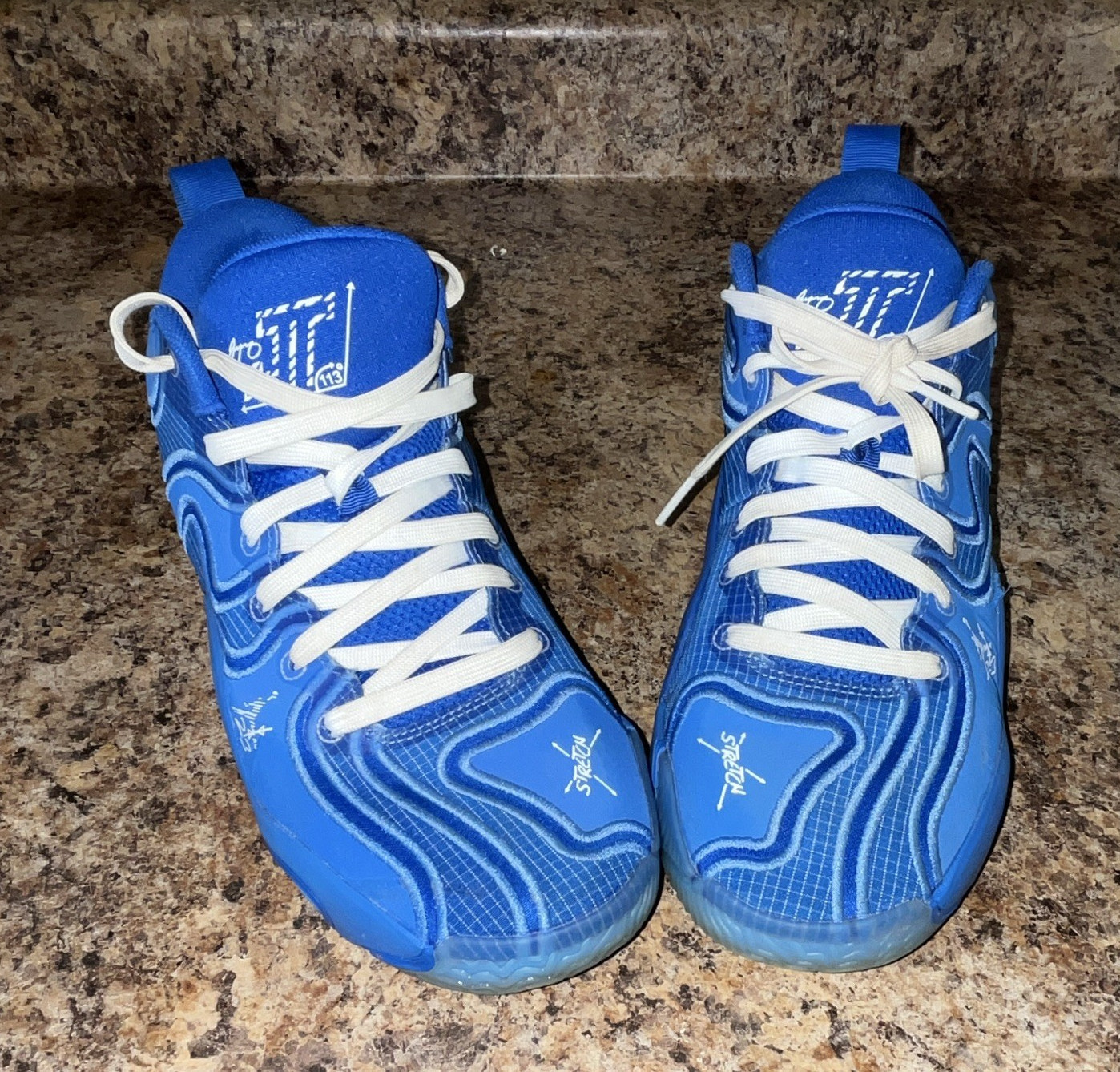
"Deconstructed" in sneaker collecting refers to a deliberate design choice where the shoe's construction is exposed rather than concealed. This is not damage; it is intentional. It involves visible stitching, exposed foam, raw material edges, or partially finished components. The mainstream equivalent is "unfinished" or "avant-garde," but in this niche, it signifies high-level design conceptualization. The shoe is meant to look like a diagram or a blueprint, showcasing the manufacturing process itself. It moves beyond simple color blocking into structural commentary.
What it does to price
Deconstruction is a value driver, not a flaw. Items featuring this aesthetic typically command a 1.3x to 2.5x premium over a standard release of the same model, provided the brand is recognized for experimental work (e.g., certain Rick Owens or Comme des Garçons collaborations). The premium increases sharply if the deconstruction is highly complex or unique to a limited run. A minor structural issue—a loose exposed seam that is not part of the design—can drop value by 30-50%. For example, a perfectly executed deconstructed pair might sell for $800, while the same model with a poorly finished exposed sole might sell for $550.
How to spot it
The tell is intentionality. Look for where materials meet; if the seam is jagged, uneven, or deliberately left raw, it is likely deconstructed. Common markers include visible glue residue (if stylized), exposed internal padding, or soles that appear segmented or unfinished. Sellers must provide high-resolution photos of the internal structure, not just the exterior silhouette. A common mistake is confusing true deconstruction with manufacturing defects; defects are random flaws; deconstruction is consistent across the design. Fakes often fail to replicate the *precision* of the exposed elements.
Buying smart
Paying a premium for deconstructed footwear is justifiable when the brand’s history and design ethos align with the buyer's collecting focus. If the shoe is a key piece in a known designer's experimental run, the investment holds conceptual value. It is not worth the premium if the deconstruction looks cheap, sloppy, or accidental. A fair deal involves the price reflecting the *design intent*, not just the materials. If the asking price is more than 3x the standard retail price without clear documentation of extreme scarcity or designer pedigree, the risk is too high.
Selling smart
Listing must educate the buyer. Simply labeling it "deconstructed" is insufficient. The listing description must explicitly state that the exposed elements are *intentional design features*. The single most valuable asset in the listing is a close-up, well-lit photograph focusing specifically on the most prominent deconstructed element—the exposed foam, the raw stitching, or the unfinished panel. This photo proves the item is a deliberate design choice, not a defect, allowing the seller to command the full conceptual premium.
On eBay right now
Current asking prices from live listings — not sold-comp medians.




eBay links are affiliate links: JunkPal may earn a commission at no cost to you.