What does “deadstock rarity” mean?
What it means
Deadstock rarity is a specific condition designation for sneakers. "Deadstock" means the item is brand new, never worn, and remains in its original, factory-sealed packaging. This is the highest condition grade available, often referred to as "New In Box" (NIB). "Rarity" refers to the scarcity of the specific sneaker—limited edition runs, low production numbers, or highly sought-after colorways. The combination signifies an item that is both untouched and difficult to acquire. This is not merely a clean pair of shoes; it is a preserved collectible asset.
What it does to price
The combination of deadstock and rarity applies a significant, non-linear multiplier to the base market value. A standard, worn pair of a rare model might sell for $X. A deadstock rarity version typically commands a premium ranging from 2x to 5x that base value, depending on the tier of the shoe (e.g., a mainline release vs. a highly exclusive collaboration). Factors pushing the price up include factory seals remaining intact and original accessories (like dust bags or special inserts). A single, high-demand pair of a rare model might see its price jump from $300 (loose/used) to $1,200 (deadstock/rare).
How to spot it
Verification requires scrutiny of the packaging and the shoe itself. Look for the original manufacturer's seals, which must be unbroken. The box condition is critical; dents, tears, or water damage immediately devalue the item. For the shoes, inspect the tags—they must be present, correctly affixed, and undamaged. Photos must show the exterior of the box clearly, including any edition stickers or serial numbers. Common mistakes include sellers listing shoes as deadstock when they have been unboxed for inspection. Fakes often fail on the packaging print quality or the specific placement/material of the factory seals.
Buying smart
Paying a premium for deadstock rarity is justified when the shoe is a recognized, high-demand cultural artifact or investment piece. If the shoe is a recent, mass-market release with low hype, the premium may not be worth the risk. A fair deal involves the asking price being within 15-25% of established secondary market benchmarks for that specific model and condition. If the seller cannot provide clear, high-resolution photos of the factory seals and box corners, the premium is unwarranted due to verification risk.
Selling smart
Listing a deadstock rarity item requires documentation to justify the high price point. The listing must explicitly state "Deadstock/NIB" and provide multiple photos: one of the entire sealed box, one of the box exterior showing any edition markings, and one of the sealed shoe box corners. The word "Sealed" or "Factory Fresh" in the title is crucial. This proof of condition transforms the item from a high-end sneaker into a verifiable collectible asset, allowing the seller to command the top tier of the market price.
On eBay right now
Current asking prices from live listings — not sold-comp medians.


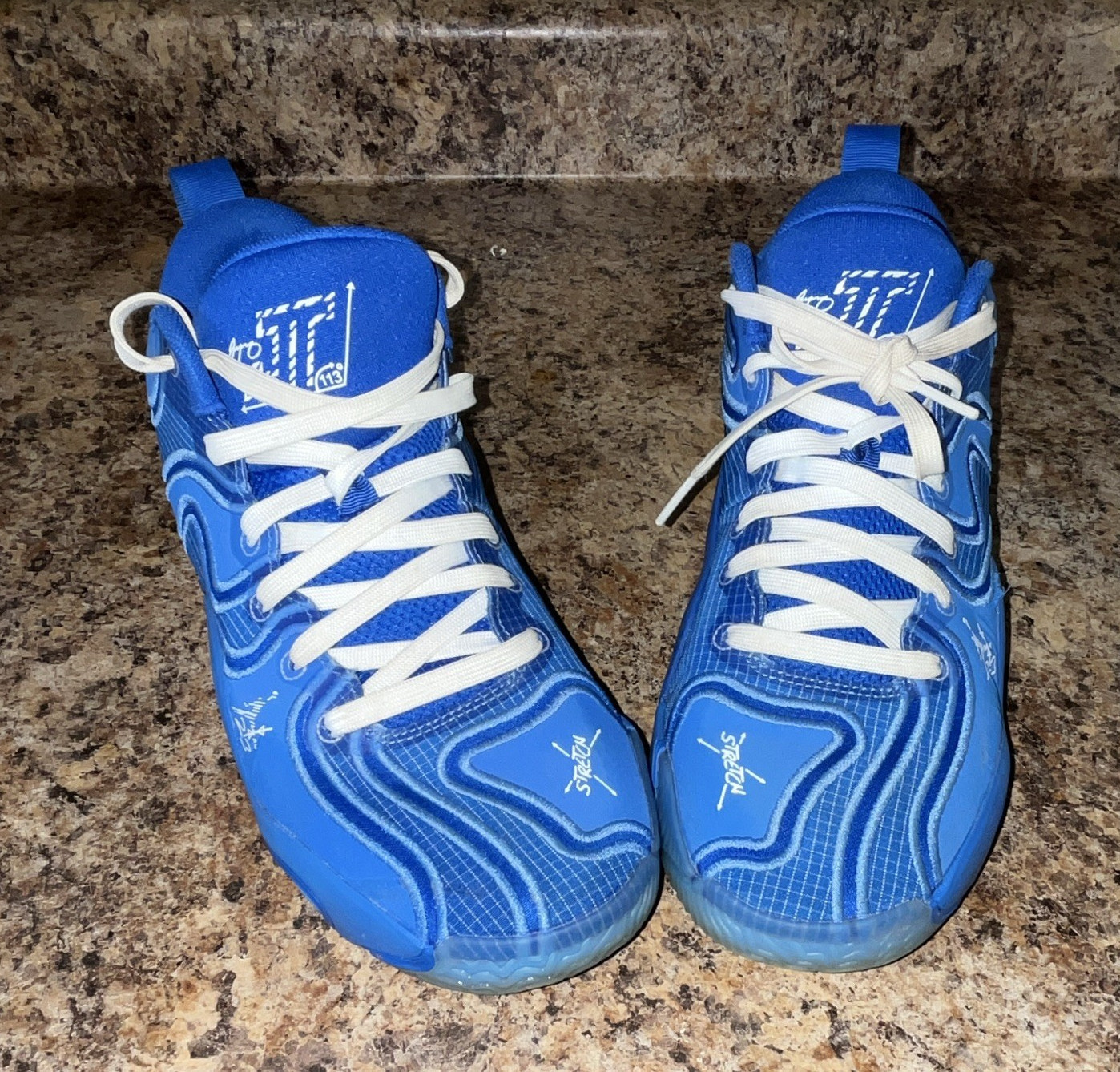


eBay links are affiliate links: JunkPal may earn a commission at no cost to you.